Best Tactical Deckbuilders Right Now
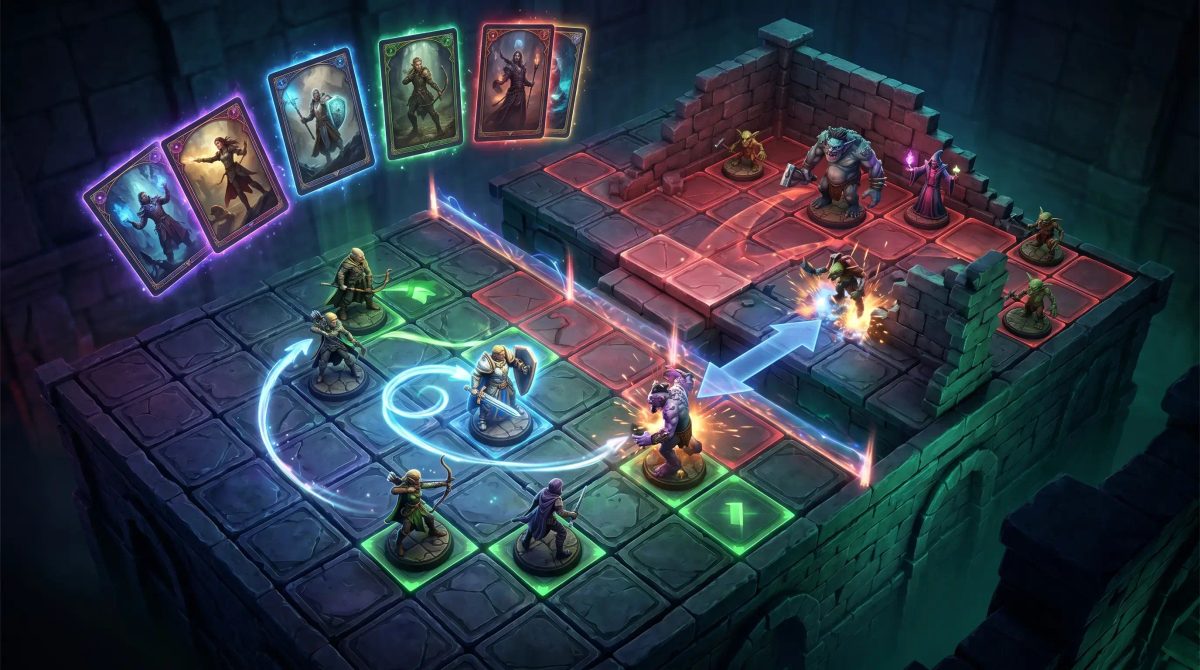
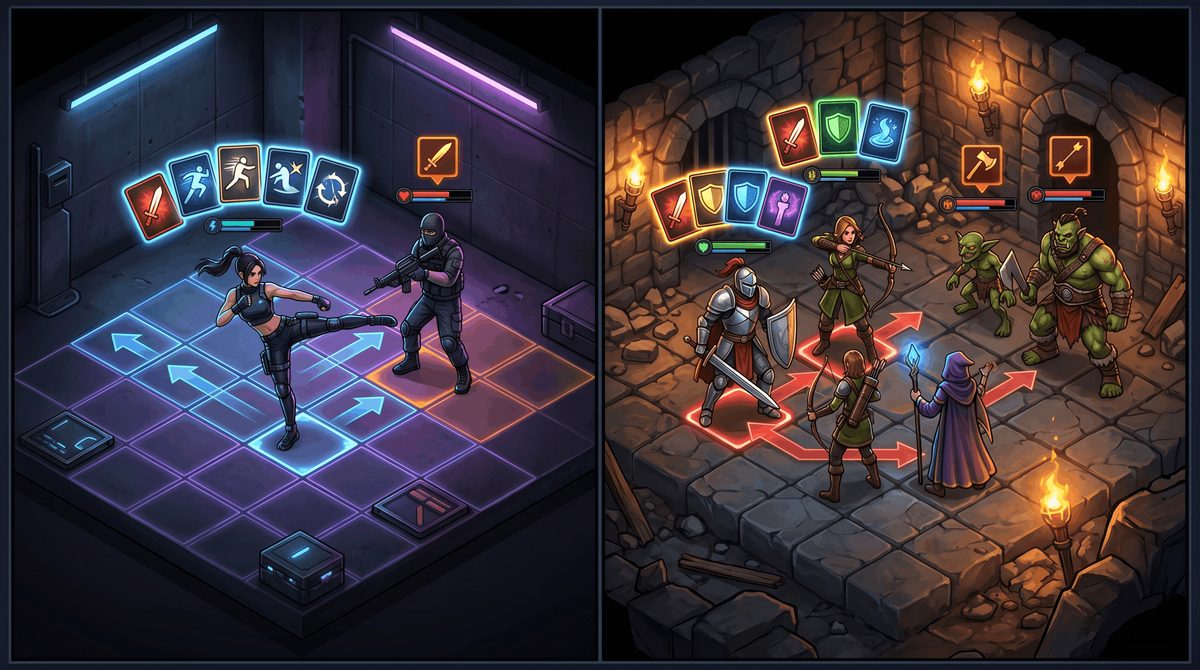
Deckbuilders where positioning, lanes, movement, or party order matter as much as the cards in your hand.
You want a deckbuilder where board state actually matters, not one where combat is just math in a different skin. The best tactical deckbuilders make position, lanes, movement, and party order part of every good turn.
This list is for players who already know the usual card roguelike loop and want runs with sharper combat decisions. These 12 picks lean toward games where spatial play changes card value on the fly, from lane defense and formation control to hex movement, timing puzzles, and party sequencing.
Quick take
- Monster Train is still the cleanest answer if you want card synergies plus constant lane management.
- Monster Train 2 pushes that same formula into a bigger, busier tactical space with more moving parts.
- Hadean Tactics is the pick for players who want autobattler positioning to matter as much as deck quality.
- Alina of the Arena is the best fit if you want explicit grid tactics, knockbacks, and facing-style pressure.
- Shogun Showdown is the one to play if you want tiny-board combat where spacing, timing, and enemy intent decide everything.
- StarVaders is a great pick if you want grid pressure, mech loadouts, and turns built around managing threat zones.
- Chrono Ark is one of the strongest party-order deckbuilders here, but it asks for more system mastery than most.
The 12 picks
Monster Train
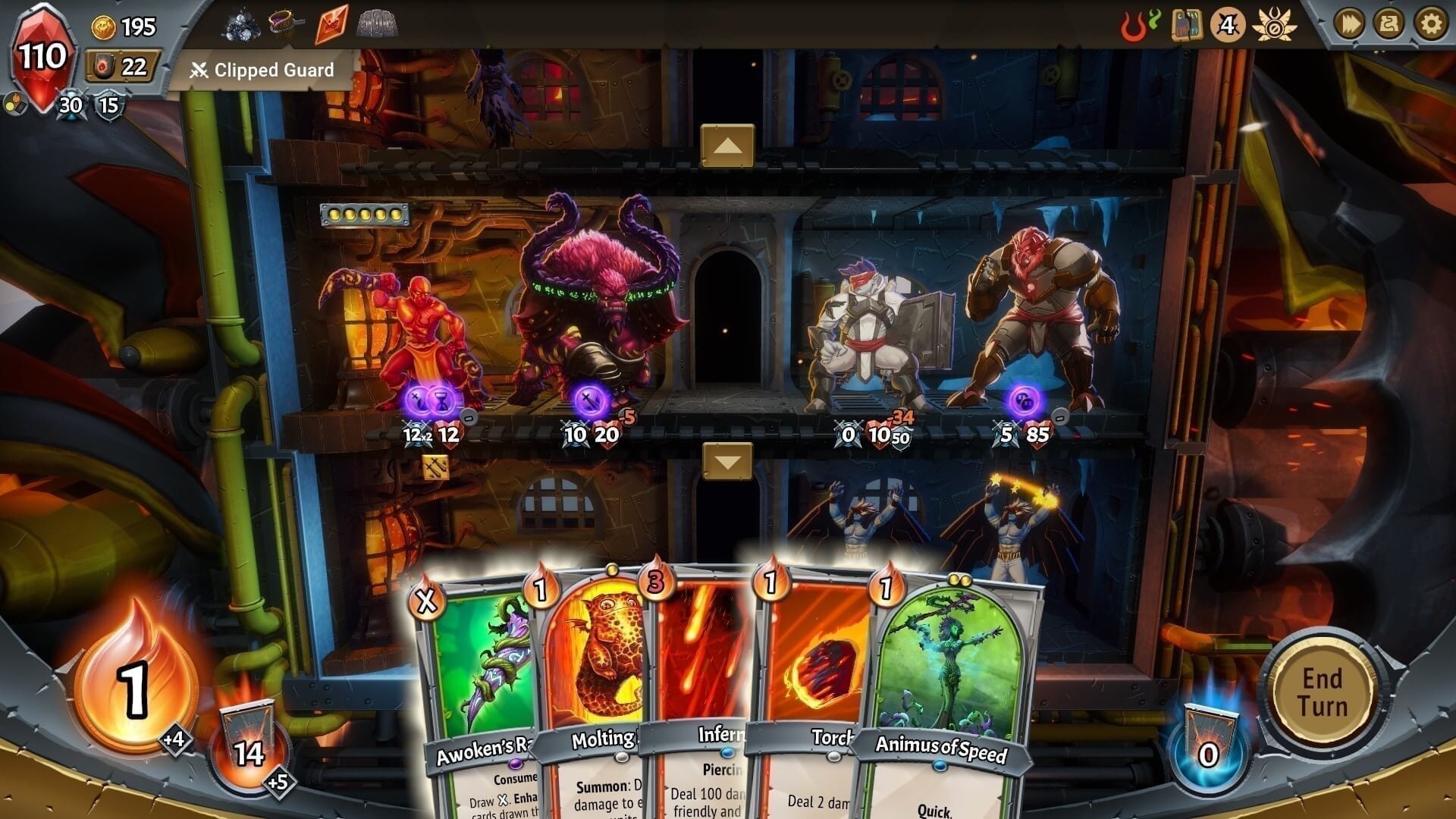
This is still the strongest overall fit for the tactical deckbuilder itch. The reason is simple: floor placement, unit order, and lane triage constantly reshape what your cards do. A damage spell that is merely fine in a pure deckbuilder becomes run-defining when it saves the wrong floor from collapsing.
It also stays readable. Three floors, clear enemy intent, limited space, and a high premium on unit positioning make each turn feel loaded without becoming muddy. Good runs come from balancing scaling, survivability, and lane assignment instead of only chasing the greediest combo.
What makes it fit this article is how often your best line starts with deployment logic, not hand value. You are solving where to commit resources, when to stack a floor, and when to abandon one entirely.
The tradeoff is that movement itself is limited compared to grid-based tactics games. You are managing lanes and formation more than dancing units around a battlefield.
Monster Train 2
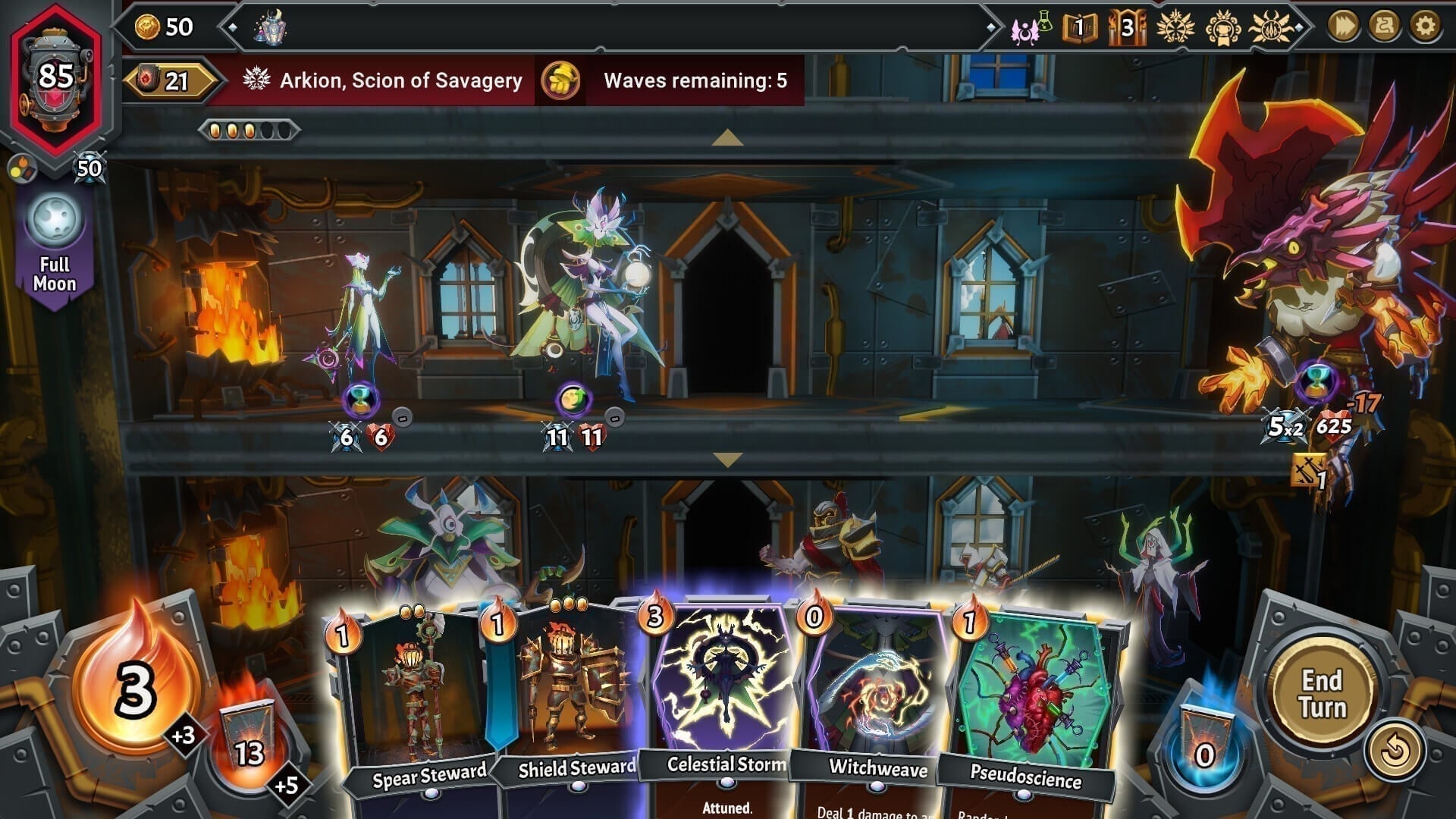
Monster Train 2 belongs near the top because it keeps the original's lane-based tactical tension while adding more systems that force board-aware play. If you liked the first game's question of "which floor matters right now," this one gives you even more reasons to rethink that answer mid-run.
The biggest appeal is density. More interactions, more ways for units and cards to influence a floor, and more pressure to understand how an encounter develops over several waves. That makes the tactical side stronger for experienced players who wanted the first game to push a bit harder.
It still delivers the same core satisfaction: build expression inside a combat space where unit order and lane commitment matter every turn. Strong decks still fail if your board plan is sloppy.
The difference is that it is busier and less immediately clean than the original. For some players that is the upgrade; for others, it loses a bit of the first game's elegant readability.
Hadean Tactics
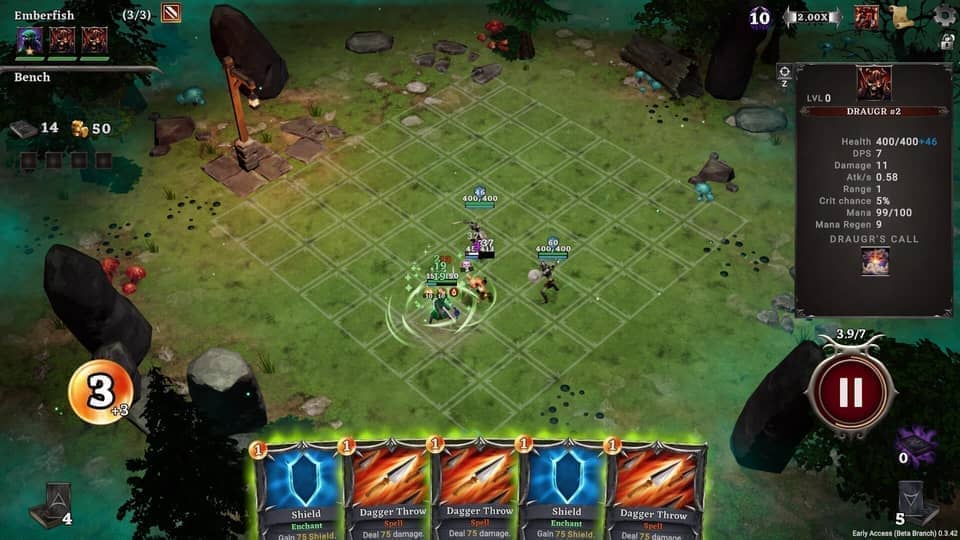
Hadean Tactics is one of the clearest examples of tactics being core instead of decorative. You are not just drawing cards and firing them off. Unit placement, timing, and formation control shape the whole fight, and the autobattler structure makes pre-fight setup just as important as in-combat actions.
That mix gives it a distinct rhythm. You build around summons, synergies, and activations, but the payoff depends on where pieces sit and how they interact on the board. Good positioning turns average draws into stable wins. Bad positioning can waste a strong deck.
It is a great pick for players who want less of a pure card-combo race and more of a battlefield puzzle. The tactical decisions feel persistent because your setup decisions echo through the encounter.
Its main limitation is that the combat flow is less direct than a standard turn-based deckbuilder. If you want full manual control every second, the autobattler DNA may feel one step removed.
Alina of the Arena
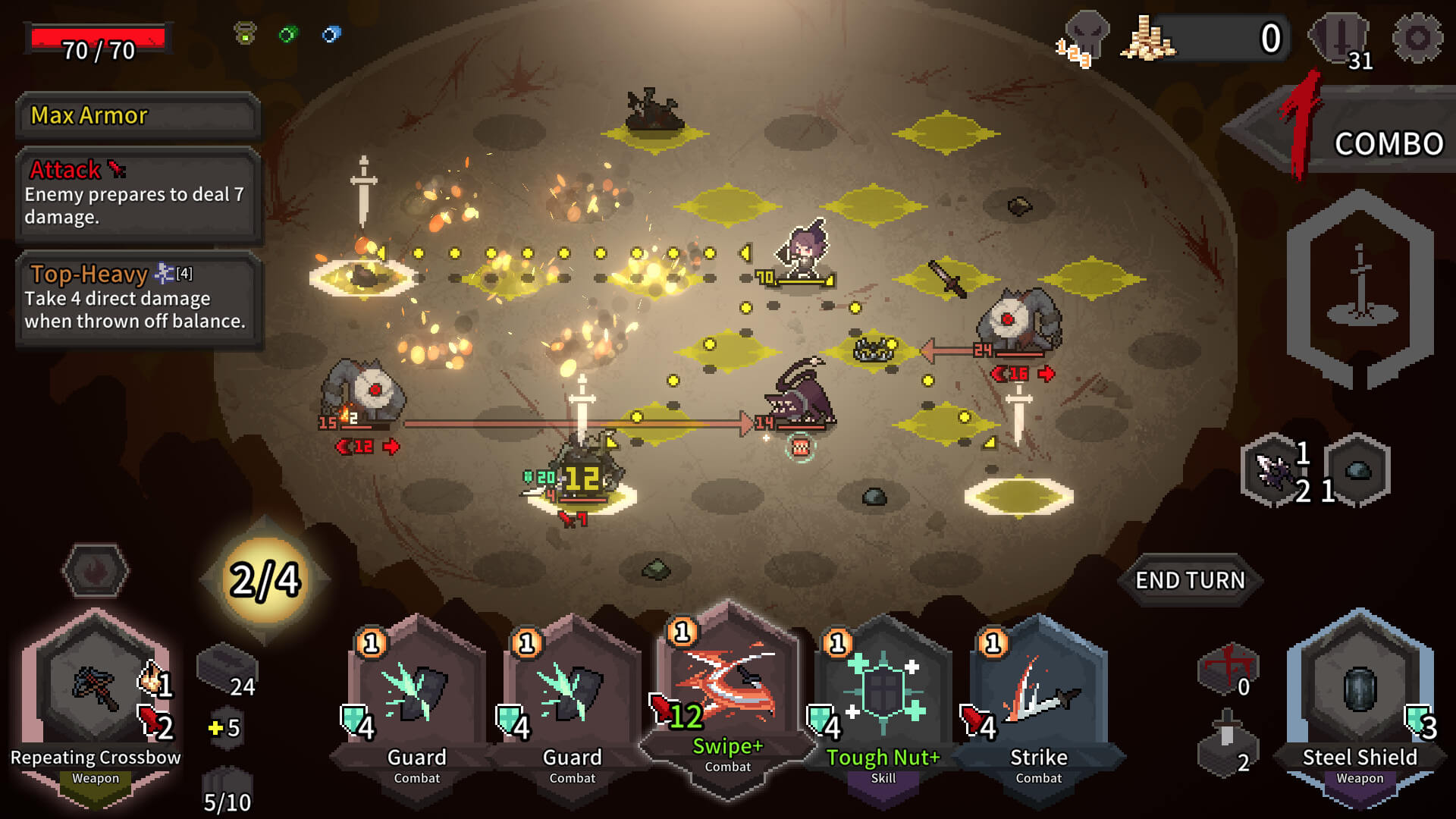
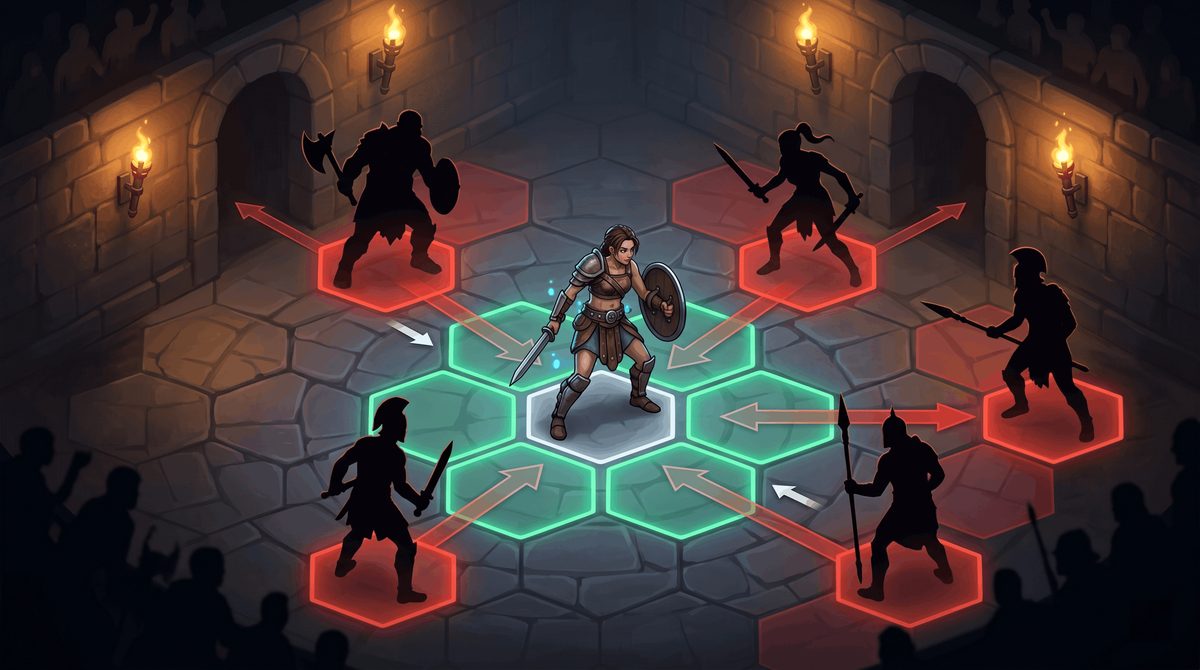
Alina of the Arena is the most explicit "tactics game with deckbuilding" pick in this list. Hex-grid movement, enemy spacing, hazards, knockback, and line control are not side mechanics. They are the run.
The fit is strong because movement cards are real economy here, not filler. Repositioning to deny a flank, setting up a shove into a trap, or preserving stamina by planning a clean route often matters more than raw attack numbers. Your deck works best when it supports spatial control instead of just damage output.
That gives battles a sharper, scrappier feel than most card roguelikes. You are reading reach, terrain, and tempo every turn. It rewards practical planning over greed.
Compared to lane-based deckbuilders, though, it is harsher and more tactical in the classic grid-combat sense. Players who mainly want smooth engine-building may find it more punishing and less combo-forward.
Knights in Tight Spaces
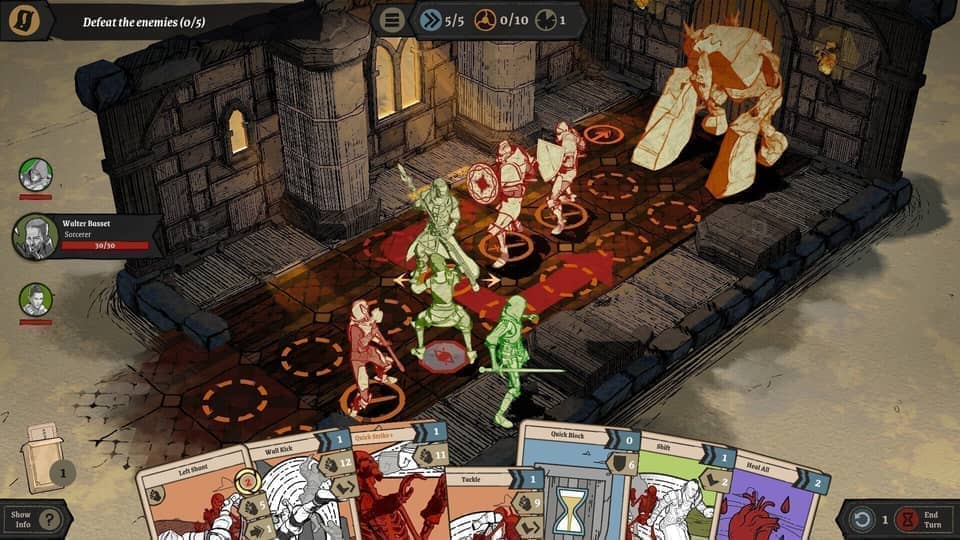
Knights in Tight Spaces turns positioning into the entire texture of combat. The small battle maps force you to care about adjacency, facing pressure, tile control, and chain reactions from pushes or movement effects. It is one of the best games here for players who want every card to be judged by where it places bodies.
The compact arenas are the real selling point. Because space is limited, even simple cards gain extra context. A shove is damage prevention. A step can open a kill line. A summon or ally placement can block a route or create a trap.
It also tends to produce turns that are easy to read but hard to optimize, which is exactly what many tactical deckbuilder fans want. You can see the whole problem, but solving it efficiently takes care.
What to know going in: it leans more into encounter tactics than into the kind of wild deck-scaling some roguelike card games chase. If your favorite thing is building a broken engine, this is more restrained.
Shogun Showdown
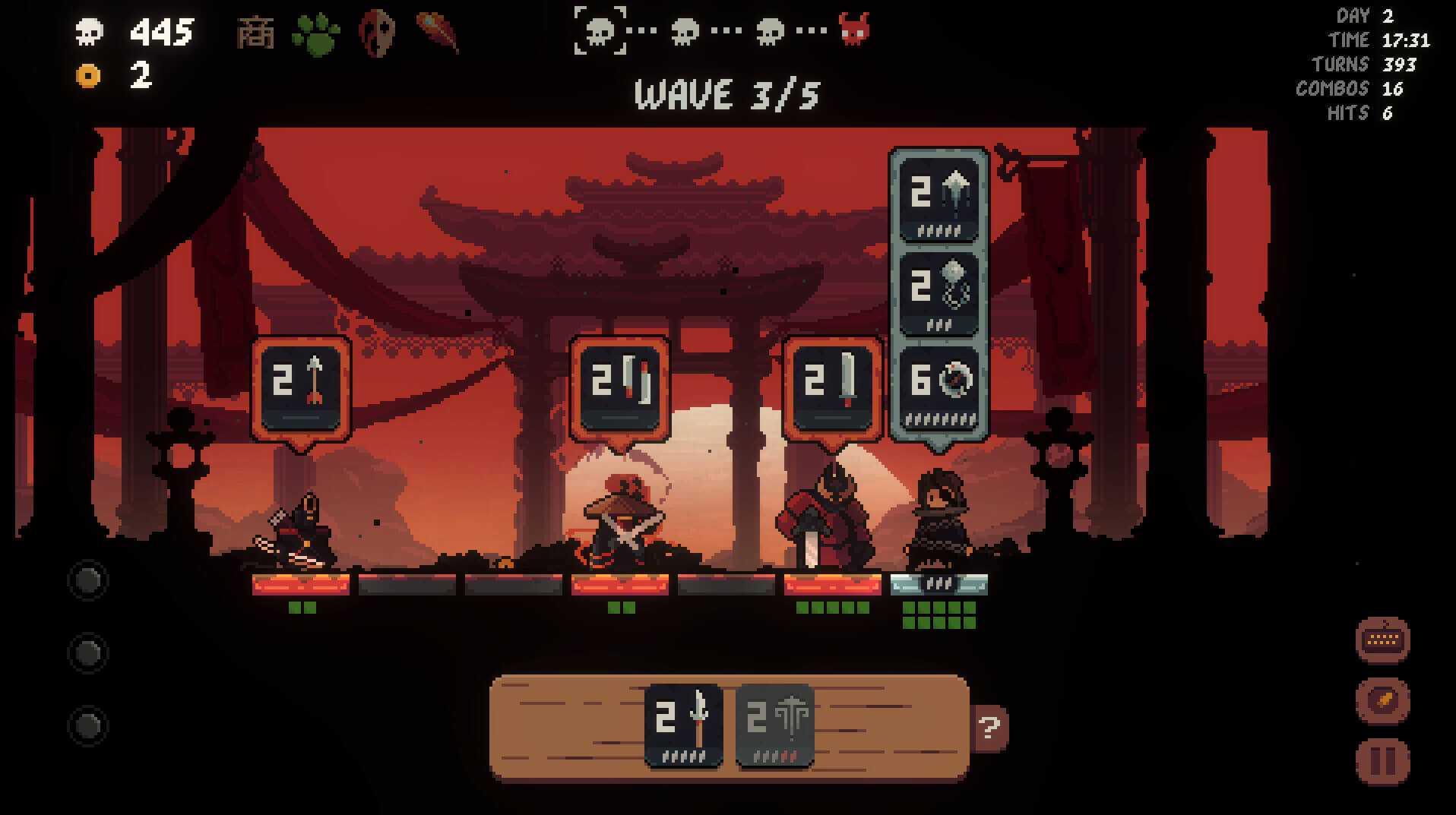
Shogun Showdown earns a spot here because it proves you do not need a large board to make tactics matter. Its compact side-view battlefield turns spacing, facing, and attack timing into the entire fight. One step forward, one delay effect, or one clean reposition can completely change the value of your hand.
That is why it fits this article so well. The deckbuilding is strong, but the real skill expression comes from sequencing actions around enemy intent, setting up hits on the right beat, and avoiding turns where your own positioning traps you. It creates the same kind of satisfying "small board, huge consequence" combat that tactical deckbuilder fans usually chase.
It is also one of the best picks here for players who like highly readable fights. You can usually see the danger clearly, which means wins feel earned and mistakes feel obvious in the best way.
The tradeoff is scale. Shogun Showdown is more stripped-down than the party-based or lane-defense games on this list, so if you want bigger formations or broader board management, Monster Train or Chrono Ark will give you more to juggle.
StarVaders
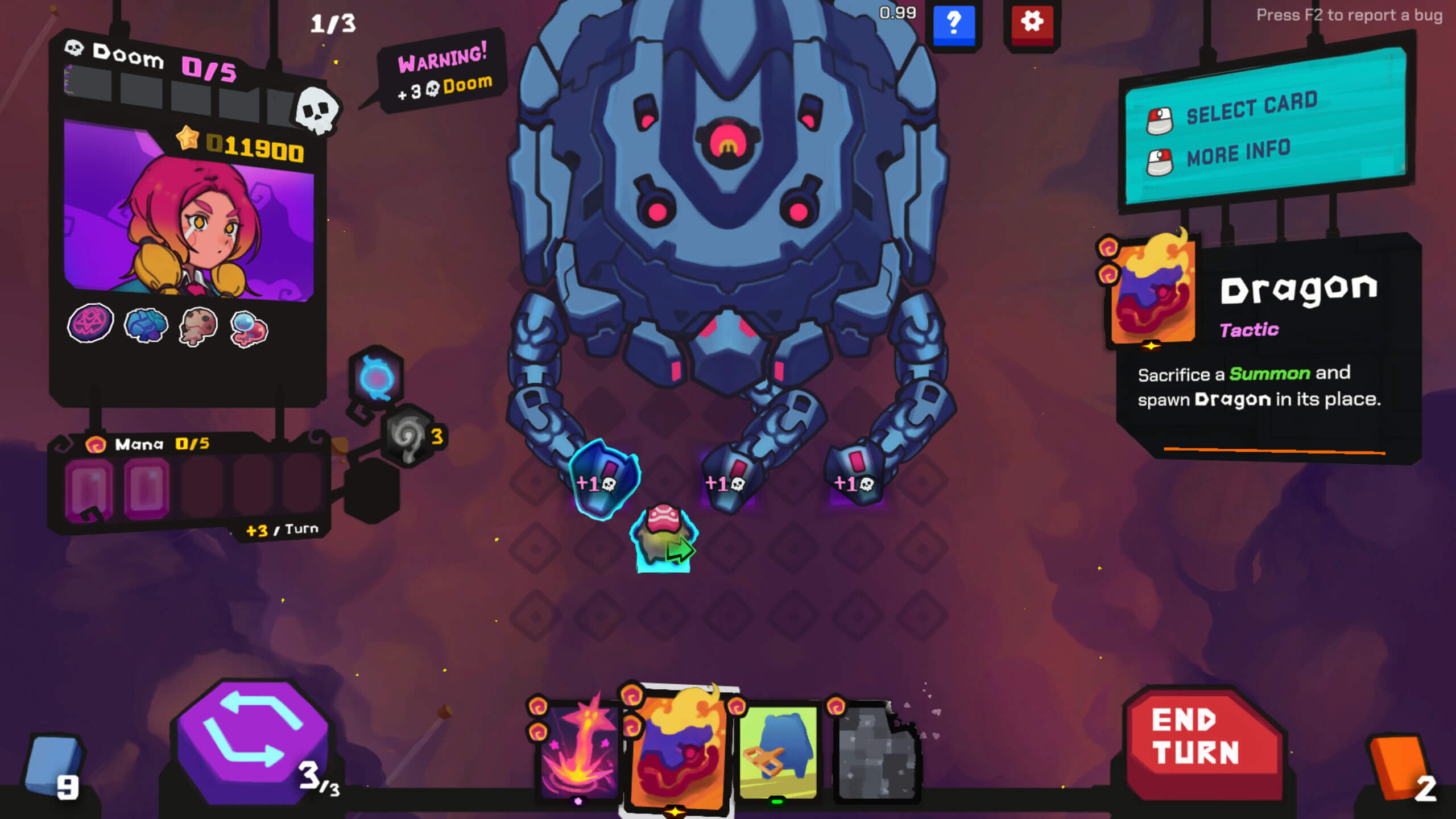
StarVaders belongs here because it makes grid pressure feel immediate. Positioning, threat coverage, and how enemies fill space all matter enough that your cards are only half the puzzle. The other half is reading the board correctly before it collapses on you.
That is what makes it such a good tactical deckbuilder recommendation. Strong turns come from using movement, attacks, and utility to reshape danger zones, not just from finding the highest raw-value play. If you like games where a single tile, push, or timing decision can save an entire run, StarVaders hits that nerve well.
It also has a nice mech-and-loadout identity that helps runs feel distinct without losing readability. You are still building synergies, but the board keeps those synergies honest in a way pure combo deckbuilders often do not.
The downside is that it leans harder into board pressure than into the clean lane logic of Monster Train or the party sequencing of Chrono Ark. If you want the most immediately familiar card-roguelike structure, other picks here are safer. If you want tactical grid stress with deckbuilding attached, this is one of the better fits.
Chrono Ark
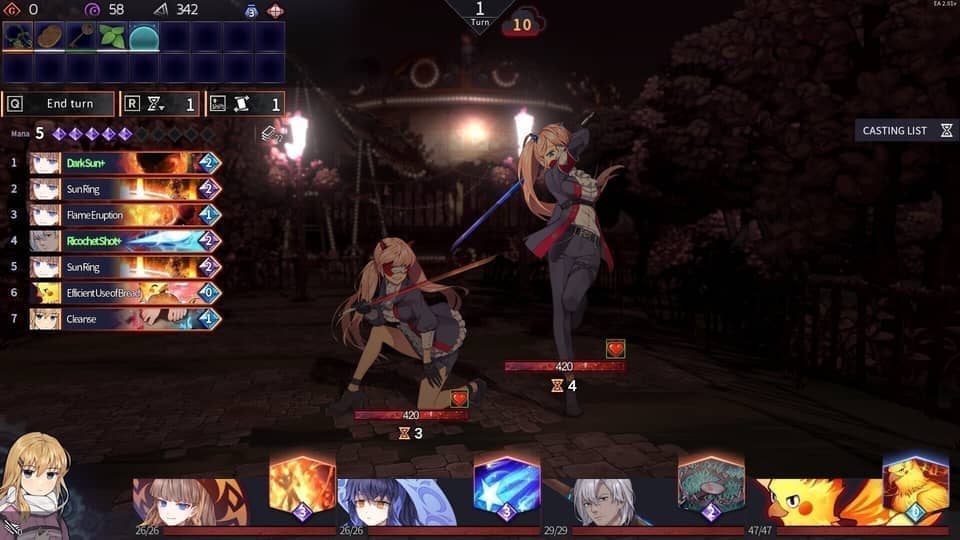
Chrono Ark earns its spot because party order and role sequencing matter constantly. This is not just a deckbuilder with multiple characters attached. Skill timing, targeting, and the interaction between party members create a tactical layer that changes how you value almost every card.
The game is at its best when you are planning around team structure instead of isolated card power. Who acts first, who protects whom, and when you commit burst versus stabilization all matter. The result feels closer to a party tactics RPG fused with deckbuilding than to a standard solo-card roguelike.
That makes it one of the better picks for players who care more about formation logic and team sequencing than physical movement on a map. There is real battlefield thinking here, even when the spatial layer is less literal than a grid.
It is also one of the denser entries on this list. Expect more mechanics, more status interactions, and a steeper learning curve before the tactical elegance fully clicks.
Pyrene
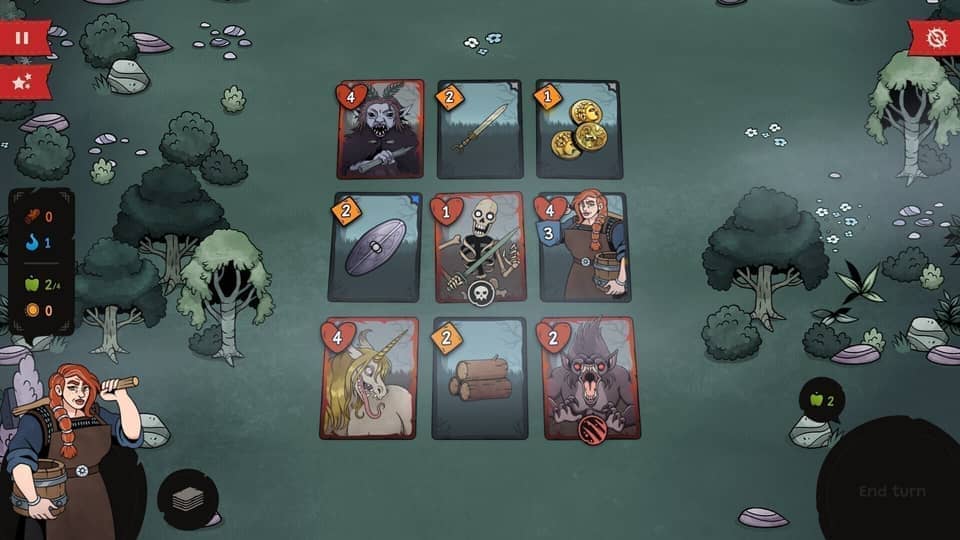
Pyrene stands out because its tactical decisions happen on a compact board where card play and positional logic are tightly linked. It has a more puzzle-forward feel than some of the bigger-name deckbuilders here, which works well if you want short, meaningful combat choices instead of long setup turns.
The fit comes from how often enemy placement and local board control define your turn. You are not just asking what card gives the best value. You are asking where that value lands, what it blocks, and what it exposes on the next enemy action.
That makes it a nice middle ground. It is more spatially concrete than party-order games, but usually cleaner and less sprawling than heavier tactics hybrids.
The catch is specialization. Pyrene can feel more like a focused tactical puzzle deckbuilder than an all-purpose endless-run obsession. If you want huge build variety above everything else, some other picks here go wider.
Deep Sky Derelicts
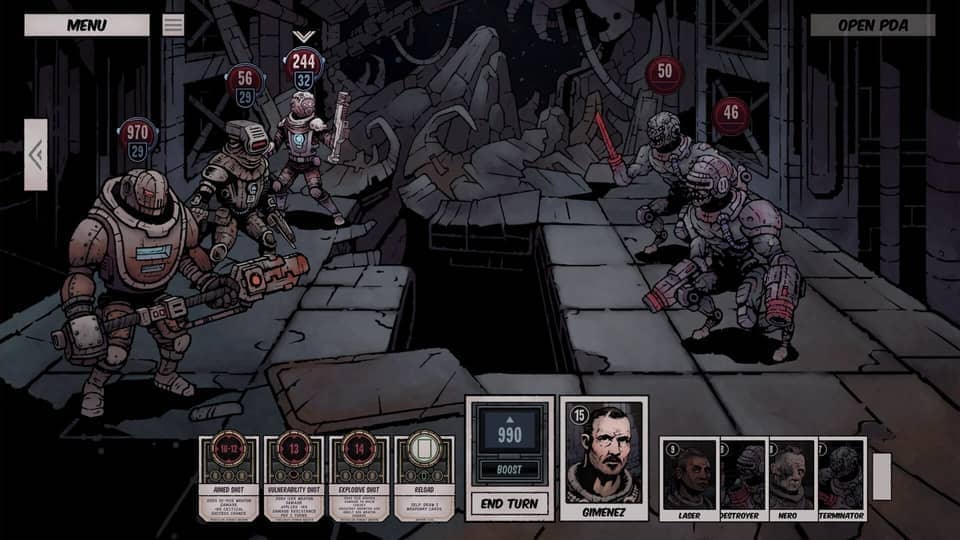
Deep Sky Derelicts takes a party-based, positional approach that feels a bit closer to a tactical dungeon crawl than a fast roguelike sprint. Formation, targeting, survivability, and team composition all shape how your deck decisions play out.
Its strongest point is attrition management. Fights are not just about drawing your best attack chain. You are thinking about who can safely absorb pressure, how to preserve your team through a sequence of encounters, and how party structure affects card effectiveness.
That makes it a solid fit for players who want tactics through squad handling rather than flashy board movement. It is slower, more methodical, and often more about maintaining a workable combat line than executing one huge combo turn.
The obvious downside is pace. Compared to the snappier entries here, it can feel heavier and less immediately explosive.
Erannorth Chronicles
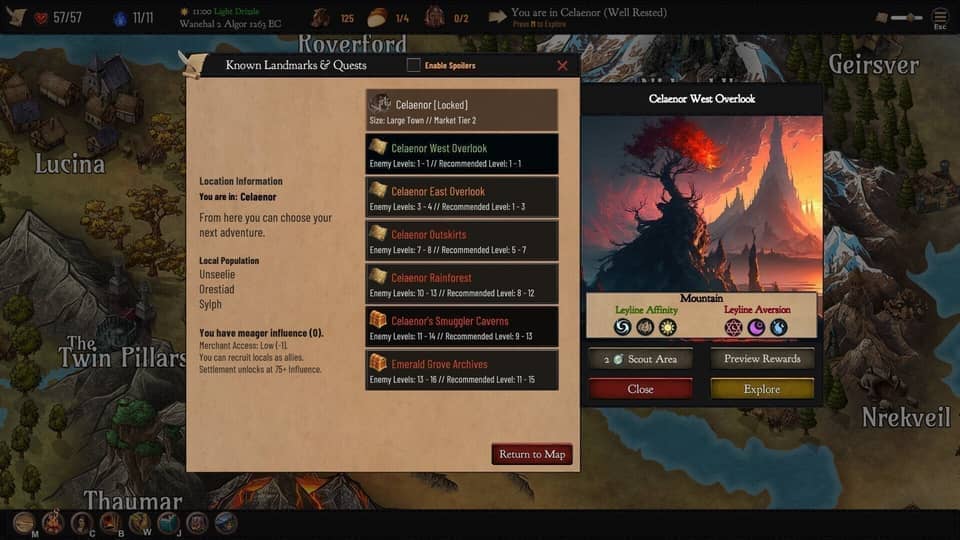
Erannorth Chronicles is the most niche and most system-heavy game on this list, but it absolutely earns inclusion for players who want tactical deckbuilding with real build control. Its combat asks you to care about character setup, battlefield context, and layered interactions in a way few games do.
The reason it fits is not simple readability. It fits because decisions about deck construction, role function, and combat sequencing have direct tactical consequences. This is a game for players who enjoy making highly specific builds and then learning exactly how those builds function under pressure.
There is a lot of freedom here, and that freedom creates unusual tactical play. You can approach encounters from very different angles depending on your setup, which gives it serious replay value for the right audience.
That same openness is also the barrier. It is one of the least approachable picks in this article, and new players should expect friction before they get to the good stuff.
Roguebook
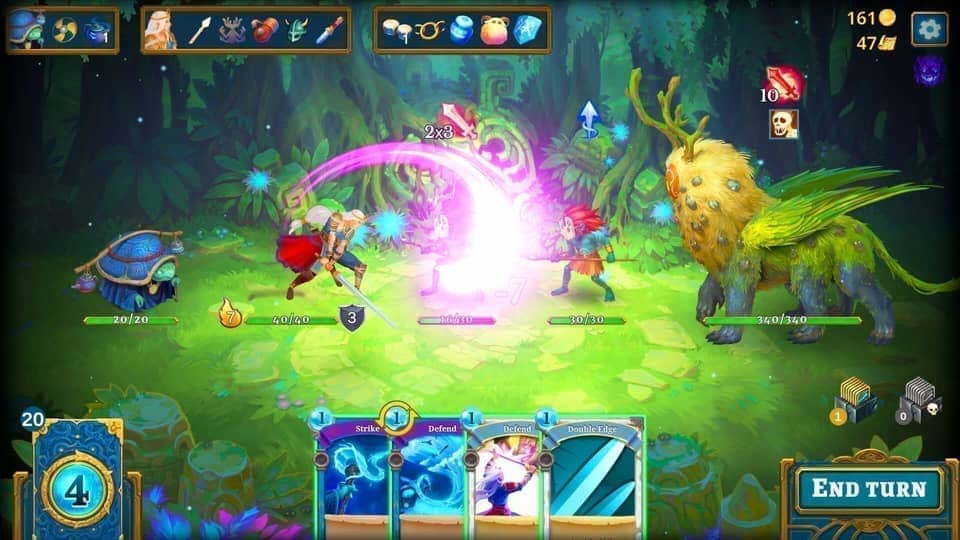
Roguebook is the loosest fit here, but it still deserves a spot because party order and duo interaction change combat in meaningful ways. With two heroes in play, turn planning becomes less about one isolated hand and more about sequencing actions across a small team.
The tactical appeal is in the pairing logic. Front-loading one hero, preserving another, and planning around tag-team synergies creates real combat texture. Card value shifts based on who is active, what your partner can follow with, and how enemy pressure is distributed.
It is a good recommendation for players who want a softer entry into tactical deckbuilders without going full grid combat or lane defense. The systems are easier to parse than some of the harder picks above.
Just be clear on the angle: Roguebook is more about party sequencing than hard spatial tactics. If you want movement, lanes, or strict positional puzzles, it is a lighter match than the top half of this list.
Who should play this
- Players who like deckbuilders where unit placement or party order changes the right play every turn.
- Players who want highly readable fights where timing and spacing mistakes get punished immediately.
- People who want combat that stays readable while still punishing lazy sequencing.
- Roguelike fans who are bored with pure damage-race decks and want board control to matter.
- Tactics players who want shorter runs and cleaner systems than a full strategy RPG.
- Anyone who values replayability through combat decisions, not just bigger card pools.
Common mistakes
-
Picking cards in a vacuum.
Fix: Draft for board roles too, not just raw efficiency. A strong card that solves no lane, spacing, or team-order problem is often a trap. -
Overcommitting to one combat plan.
Fix: Build at least one answer for bad board states. Tactical deckbuilders punish decks that only function when the formation starts perfectly. -
Ignoring deployment and order rules.
Fix: Treat starting placement, floor stacking, and hero sequencing as part of your build. In these games, setup is not bookkeeping. -
Chasing greedy scaling over survival tools.
Fix: Add movement, control, blocks, repositioning, or recovery earlier than you think you need them. -
Playing too fast because the map looks small.
Fix: Count enemy reach, lane pressure, and action sequence before you commit. Compact boards usually make mistakes more punishing, not less.
FAQ
What makes a deckbuilder "tactical"?
A tactical deckbuilder asks you to solve board problems, not just hand problems. That usually means positioning, lanes, movement, summons, formation, or party order changes what your cards are worth from turn to turn.
Which game here is best for lane-based tactics?
Monster Train is still the easiest recommendation. Monster Train 2 is also excellent if you want a denser, more layered version of that same lane-defense style.
Which one is best for actual movement on a battlefield?
Alina of the Arena is the cleanest answer if you want explicit grid tactics. Knights in Tight Spaces is also very strong if you like tight maps and movement effects that create control and combo lines. Shogun Showdown is a great fit if you want something more stripped-down and timing-focused, while StarVaders works well if you want heavier threat-zone management on a grid.
What is the hardest game on this list?
Erannorth Chronicles is the most demanding to learn. Chrono Ark and Alina of the Arena can also be tough, but for most players Erannorth is the biggest systems wall.
Which pick is best for players who like party synergy more than positioning?
Go with Chrono Ark first, then Roguebook if you want something lighter. Both care a lot about how characters work together, even if they handle spatial tactics differently.
Takeaway
The best tactical deckbuilders do more than hand you a combo engine. They make space, order, timing, and battlefield pressure part of every turn. Start with Monster Train, Monster Train 2, or Hadean Tactics for the strongest overall fits, try Shogun Showdown or StarVaders if you want compact but demanding positional combat, then move toward Alina of the Arena, Chrono Ark, or the heavier niche picks if you want more demanding combat layers.