The Most Replayable Deckbuilding Games
A ranked look at deckbuilding games that stay interesting because the run structure, card pool, and decision space keep changing.
You want a deckbuilder that still feels sharp after dozens of runs, not one you solve in a weekend. The most replayable deckbuilding games keep changing the texture of a run through pathing, card discovery, class differences, and enough real tradeoffs that autopilot gets punished.
These 10 picks are for players who already care about synergy, clean combat loops, and runs that stay readable even when builds get wild. The angle here is simple: what actually keeps a deckbuilder fresh over time, where each game shines, and where each one asks for a different kind of commitment.
Quick take
- Slay the Spire is still the cleanest benchmark for replayability because nearly every run asks for different card evaluations.
- Balatro has absurd run-to-run variety, but its replayability comes from scoring logic and pivoting, not combat.
- Monster Train is one of the best picks if you want stronger build identity and faster payoff than slower climb-style games.
- Vault of the Void is excellent if you like control and precision, though its between-fight deck tuning changes the feel a lot.
- Across the Obelisk is the most specialized pick here, but its party building and longer structure can hold players for a very long time.
The 10 picks
Slay the Spire
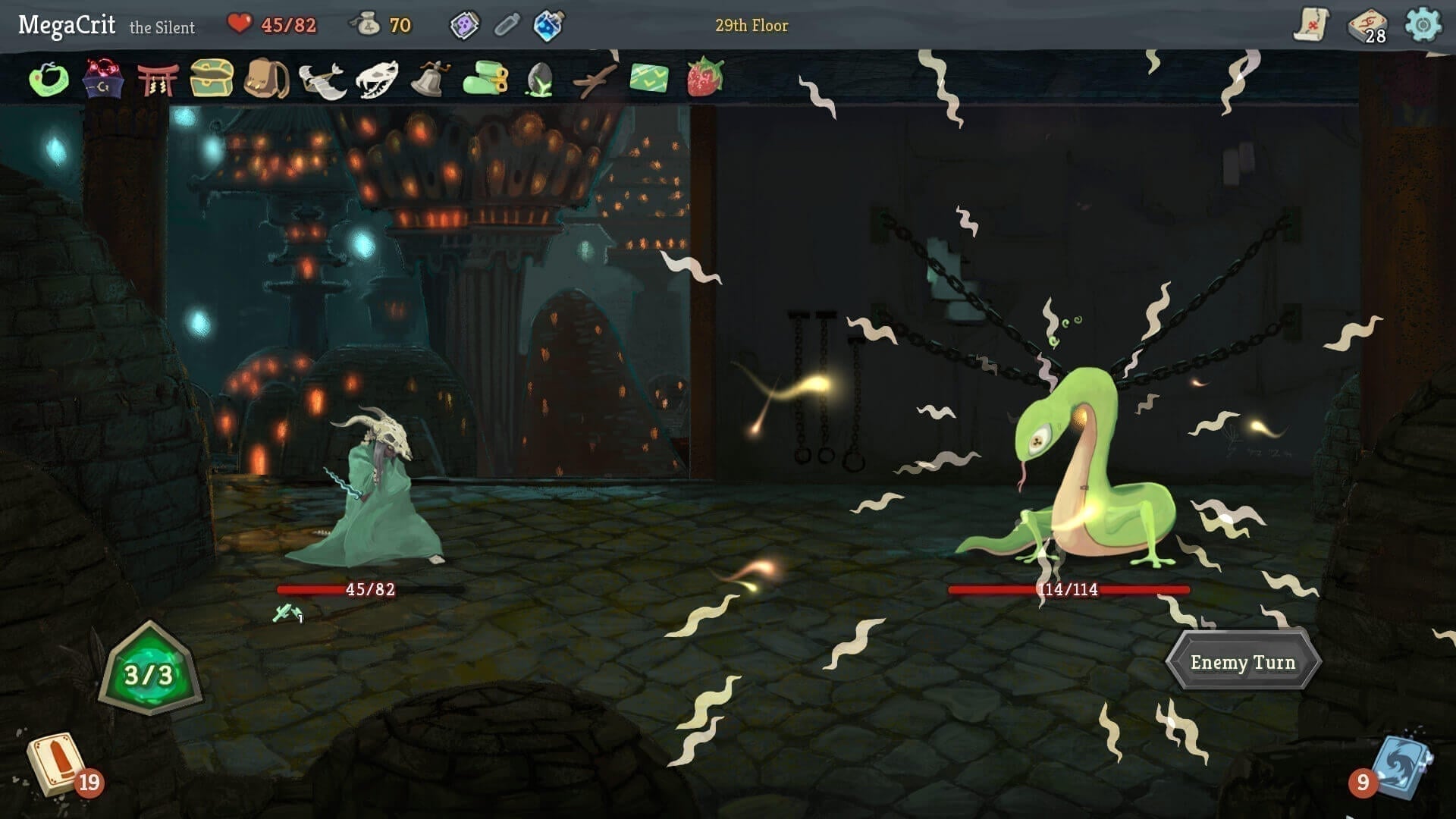
This is still the safest answer when the question is pure replayability. It stays fresh because card strength is never fully static. A card that is mediocre in one deck becomes run-defining in another, and relics constantly force re-evaluation. Add in four characters with distinct rhythms, pathing pressure, elite routing, and scaling difficulty, and the game keeps generating meaningful decisions long after you know the pool.
It is also one of the most readable deckbuilders ever made. That matters. Replayability drops fast when a game becomes noise, and Slay the Spire rarely does. You can usually tell why a run worked or failed, which makes another attempt immediately appealing.
The main difference is that it is so foundational that veteran players may already know its beats too well. If you have truly exhausted it, you are not replacing it so much as looking for a different flavor of the same long-term durability.
Slay the Spire 2
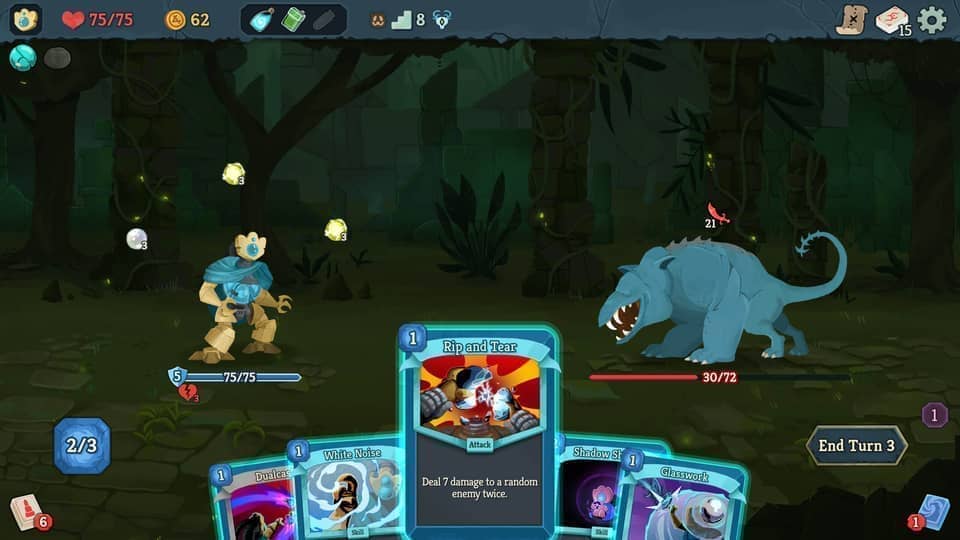
If the first game is the benchmark, Slay the Spire 2 is the most direct continuation of that replayable structure. The big appeal is not novelty for its own sake. It is getting that same ruthless card evaluation and route planning loop with fresh card interactions, new problems to solve, and enough updated design space to make old habits unreliable.
That is the key to replayability in a sequel. You want familiarity without solved patterns, and this lands there. Builds can still pivot hard based on what the run offers, and the decision space stays alive because the game keeps asking for adaptation instead of rehearsed lines.
The obvious caveat is that its long-term standing depends on how much you value refinement over reinvention. If you want a deckbuilder that feels radically different from the original, this is not that. It is here because replayable design usually benefits from iteration, not gimmicks.
Balatro
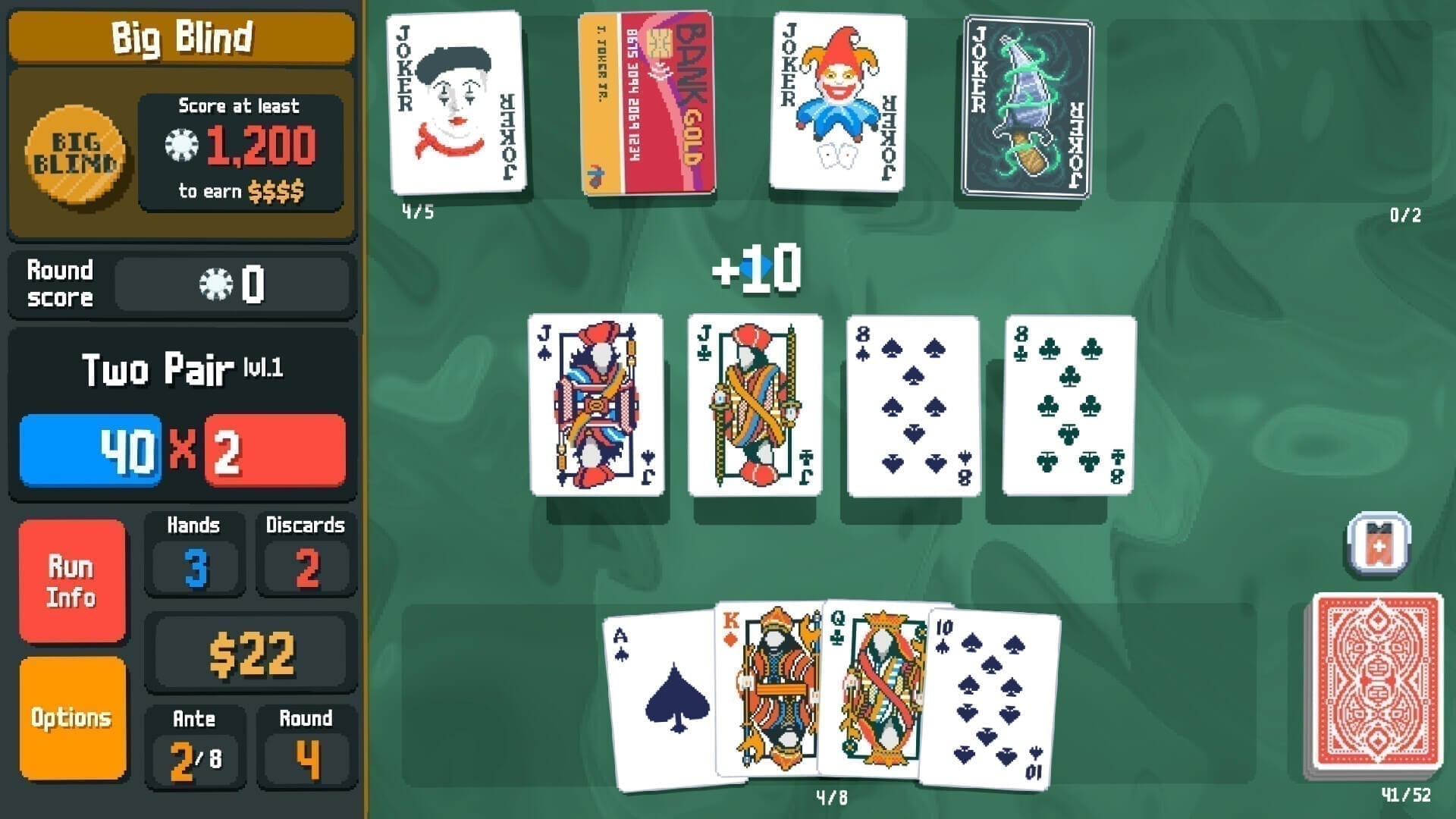
Balatro earns its spot because it turns replayability into pure scoring obsession. Every run becomes a puzzle about how far you can bend poker hands, jokers, multipliers, and economy into something broken before the run bends back. The variety is excellent because your priorities can swing fast: one run is all-in on a specific hand type, the next is about retrigger abuse, deck thinning, or weird economy lines that only make sense because of one joker.
It also avoids one common problem in replay-heavy games: dead middle runs. Even average runs often give you enough material to experiment, salvage, or greed for a spike. That keeps the run loop sticky.
The catch is straightforward: this is not a combat deckbuilder. If your version of replayability depends on enemy intent, blocking math, and tactical attrition, Balatro scratches a different itch. It belongs near the top because the run-to-run variance and build expression are elite, but the feel is its own thing.
Monster Train
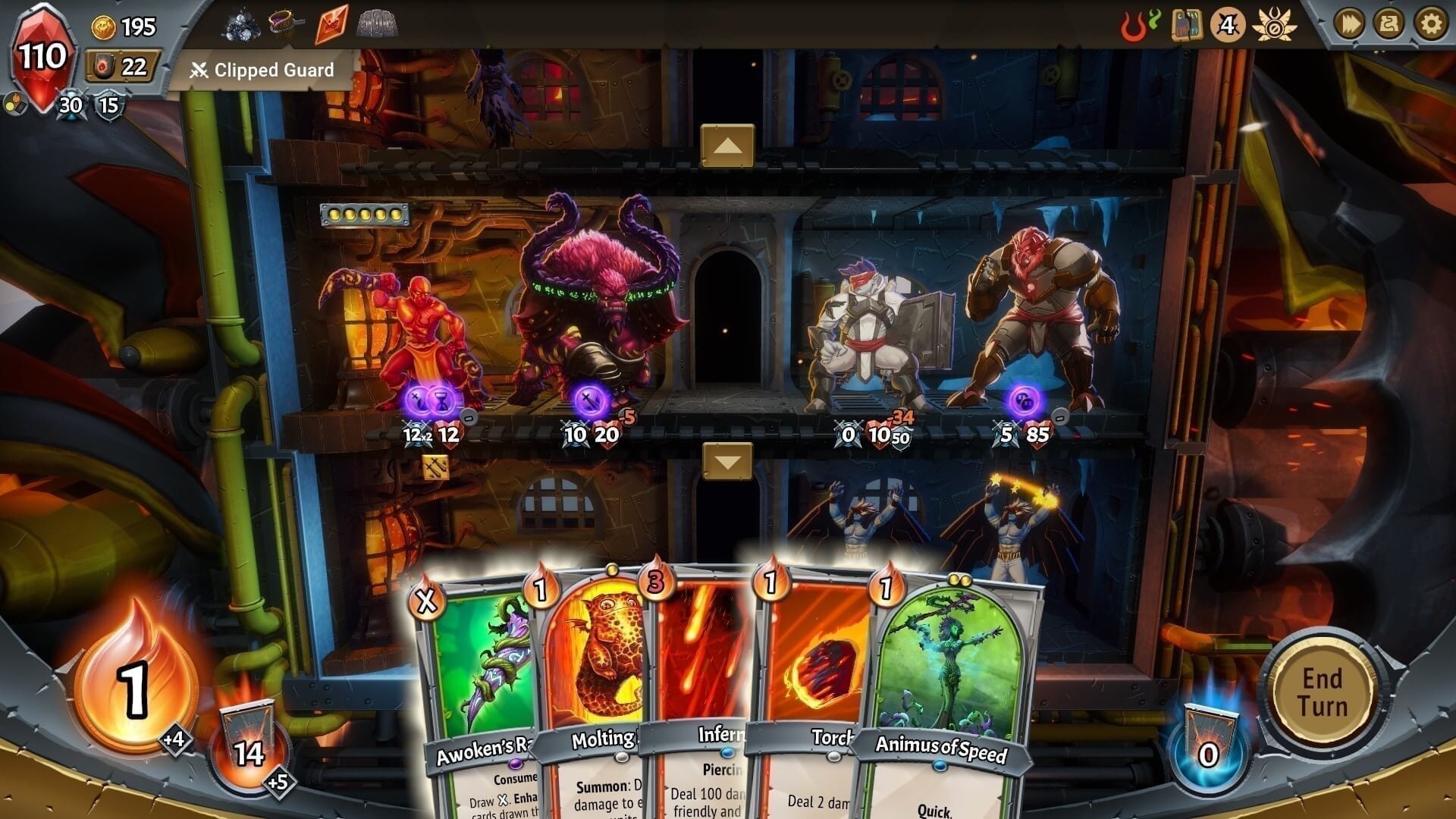
Monster Train is one of the best replayable deckbuilders for players who want stronger class identity and faster build payoff than Slay the Spire. The clan pairing system does a lot of heavy lifting here. Starting with two factions creates immediate variety, then unit upgrades, floor setup, artifact combinations, and spell scaling keep the run from flattening out.
Its best replayable quality is that your deck is only part of the equation. Positioning matters. Which floor gets your scaling engine matters. Whether you build around incants, morsels, rage, burnout, or armor changes how you draft and how you fight. That extra layer keeps the same card pool feeling less repetitive across long sessions.
Where it differs is in how explosive and snowbally runs can get. Some players love that because broken builds arrive faster. Others prefer the tighter, more attritional feel of slower deckbuilders where every hallway fight stays dangerous for longer.
Monster Train 2
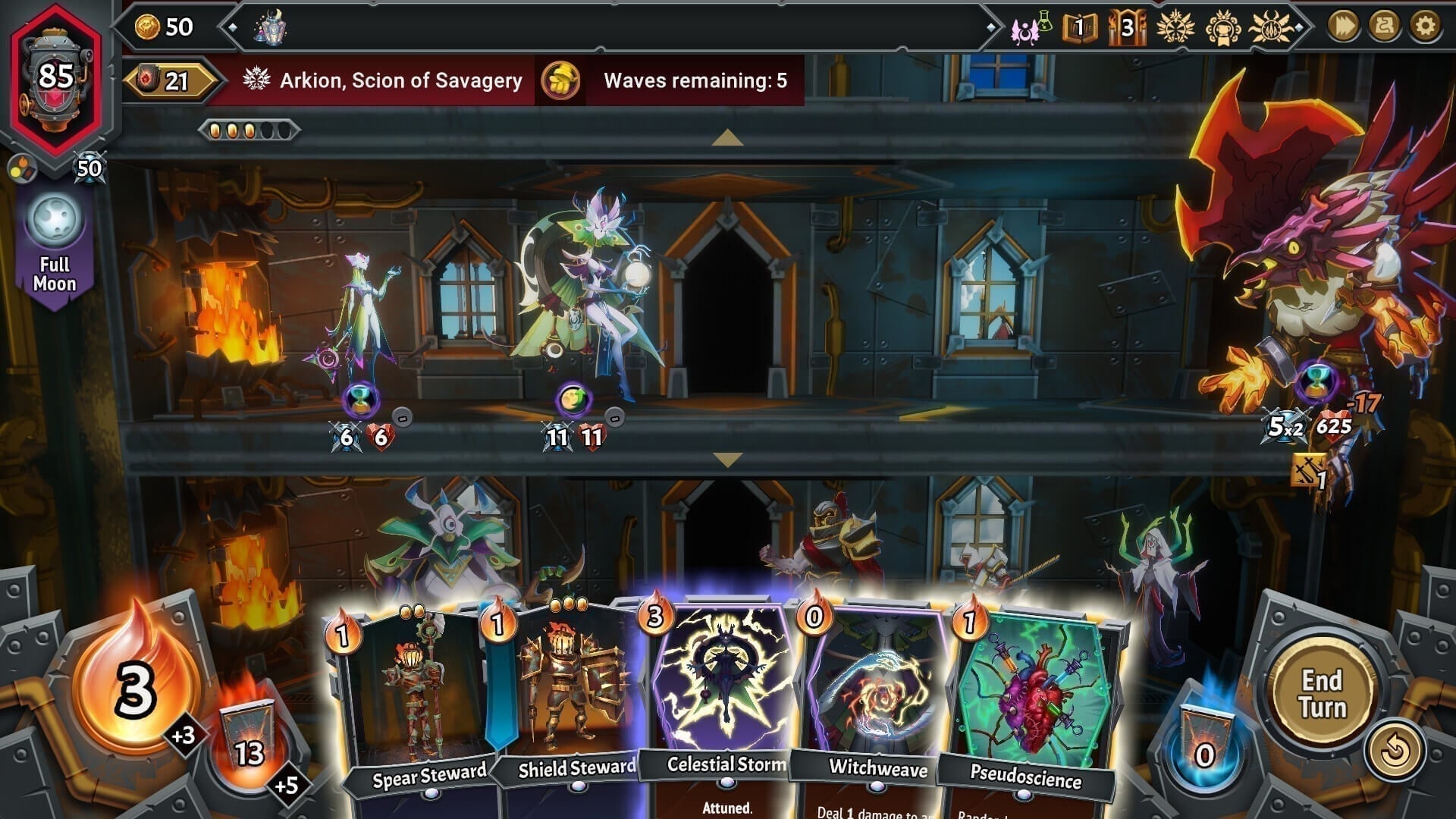
Monster Train 2 works for the same reason the first game does, but with a broader, more modernized pool of interactions to keep the formula from going stale. Replayability here comes from stacked variability: faction combinations, unit lines, artifact support, floor planning, and the ongoing tension between scaling fast enough and not clogging your deck.
It is especially strong for players who like runs that reveal their identity earlier than climb-style roguelikes. You can feel a plan taking shape quickly, then spend the rest of the run sharpening it or forcing a pivot when the offered tools push you elsewhere.
The tradeoff is that if you already bounce off Monster Train's lane defense structure, the sequel will not convert you. This is more for players who want that style to keep giving them new build angles rather than for players looking for a fundamentally different combat model.
Vault of the Void
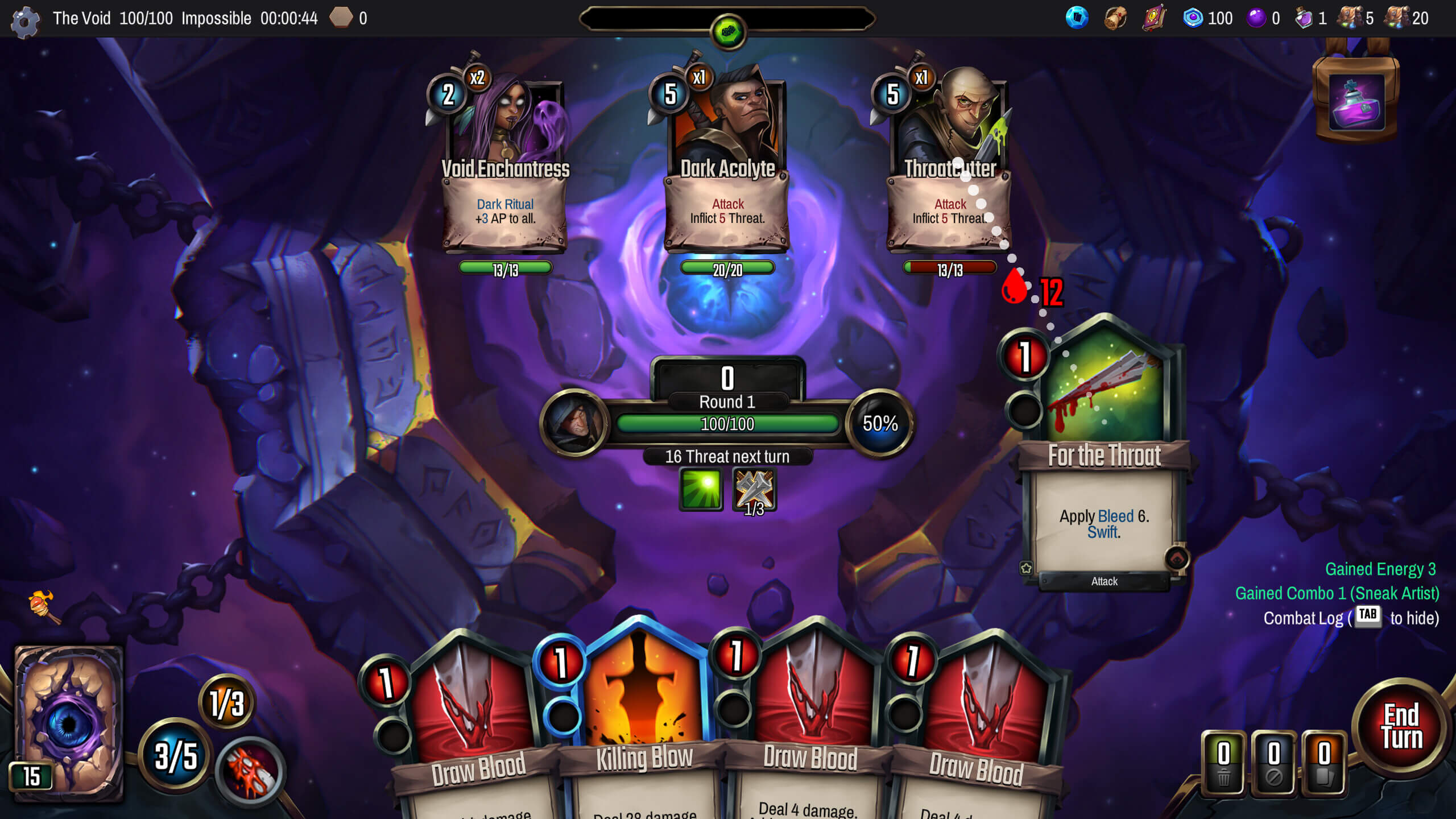
Replayability in Vault of the Void comes from control. You are not just drafting into a static pile and hoping it lines up. The ability to tune your deck between fights changes the whole structure of repeat runs. That means you spend less time losing to obvious deck bloat and more time exploring precise synergies, counters, and card packages.
For some players, that makes it one of the most replayable deckbuilders around. The game exposes more of its systems and lets you make cleaner decisions with the information. Different classes, corruption lines, and build directions still create variety, but the real hook is that optimization remains active all run long.
That same strength can make it feel less improvisational than other roguelike deckbuilders. If you love the messier thrill of making a bad draft work on the fly, Vault of the Void may feel more controlled and deliberate than you want.
Astrea: Six-Sided Oracles
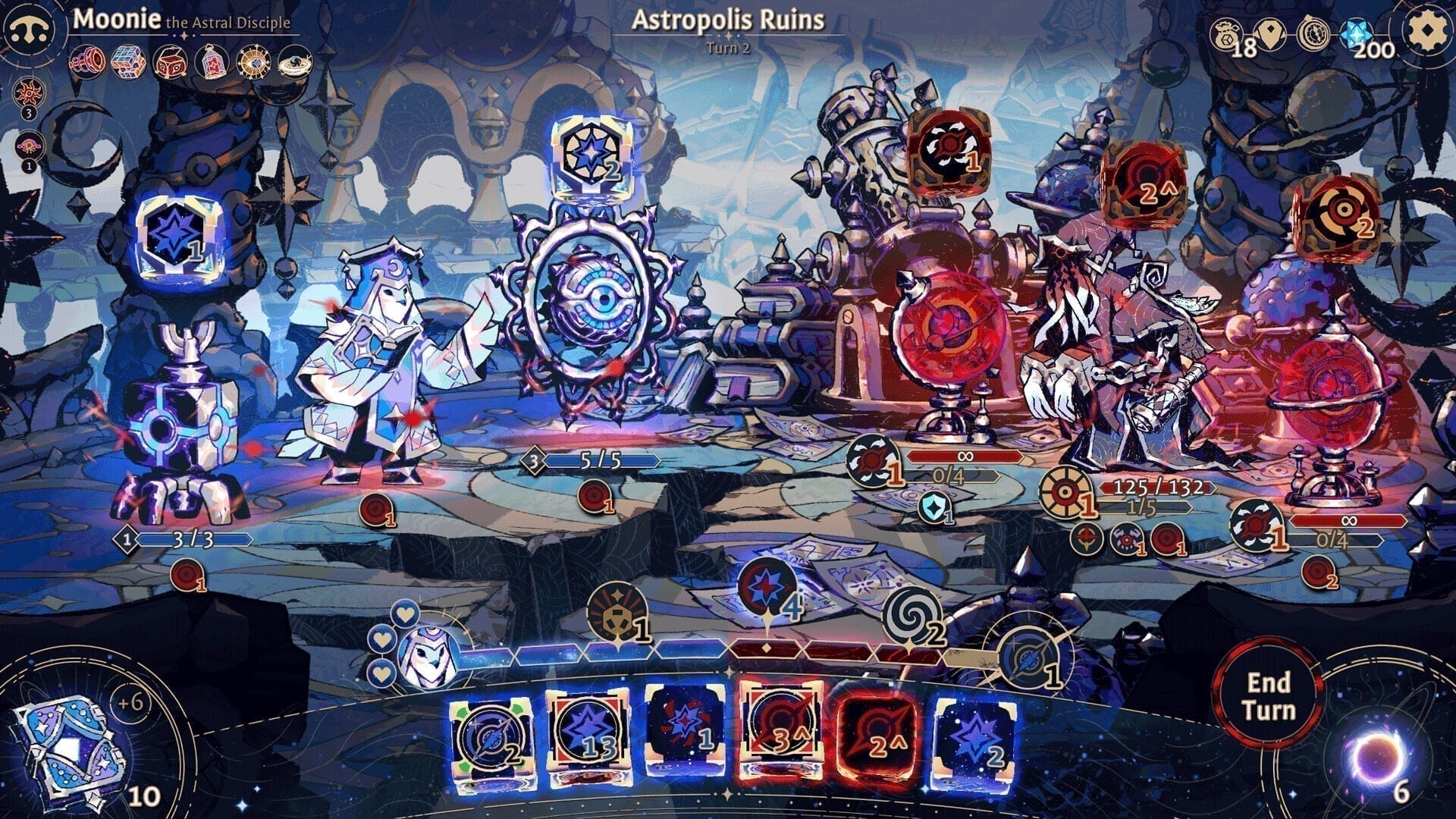
Astrea: Six-Sided Oracles stays fresh by replacing cards with dice and making purification the center of the system. That shift matters more than the gimmick label suggests. Because outcomes, mitigation, self-targeting, and corruption management all work differently here, the game asks you to evaluate builds from a new angle. The result is a run structure that still feels deckbuilder-adjacent while avoiding the stale pattern of simply assembling the same low-cost draw engine every time.
Its strongest replayable trait is that many decisions pull double duty. You are often balancing offense, defense, cleansing, and risk management in the same turn cycle, and different oracles push those priorities around in distinct ways. That gives the game a fresh strategic texture across repeated runs.
The limitation is simple: if you specifically want card drafting and familiar deck-thinning logic, this is a branch rather than a direct continuation. It fits the list because the decision space stays lively, not because it mimics standard card battlers beat for beat.
Roguebook

Roguebook earns a spot because its replayability comes from map-level decision making as much as combat. The exploration system changes how you value resources, routes, and timing, and the two-hero deck structure creates more build permutations than it first appears. Synergies can come from card interactions, hero pairing, gem choices, and how aggressively you commit to one role over another.
That combination gives runs a different rhythm from more linear climbers. You are not only asking what to draft, but also how to uncover enough of the map to support the build you are trying to force. Done well, that makes repeat runs feel less scripted.
It is not as ruthlessly elegant as the top few picks. Some players will find the systems a bit busier, and the core card evaluation game is not quite as sharp as Slay the Spire or Monster Train. Still, for players who want replayability tied to exploration and duo-building, it has real staying power.
Across the Obelisk
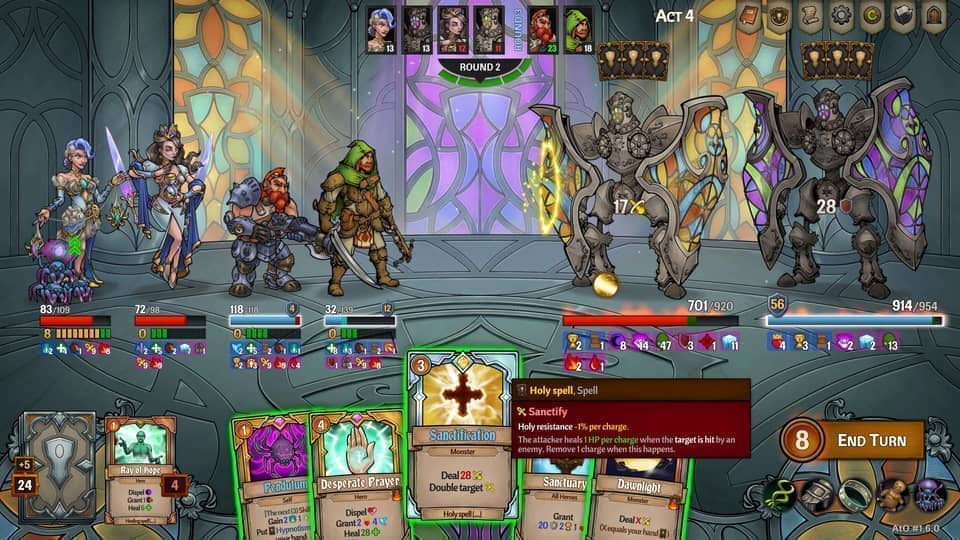
Across the Obelisk is one of the more specialized entries here, but it can be incredibly replayable if you like party construction and longer-form runs. Building around four characters changes the whole drafting dynamic. Card choices, perks, equipment, and event outcomes all compound, so replayability comes less from one elegant combo engine and more from how many team archetypes you can assemble and refine over time.
It also has a broader campaign feel than most of this list, which helps if you want a bit more story framing and progression texture around the runs. That makes it one of the better fits for players who want a deckbuilder with more connective tissue between fights and a little more room for planned party synergy.
The tradeoff is pacing. It is less immediate than the sharpest run-based deckbuilders here, and some players looking for fast, surgical replay loops will find it too extended. This is a good pick when you want deckbuilding depth with party management, not when you want the cleanest possible one-more-run structure.
Cobalt Core
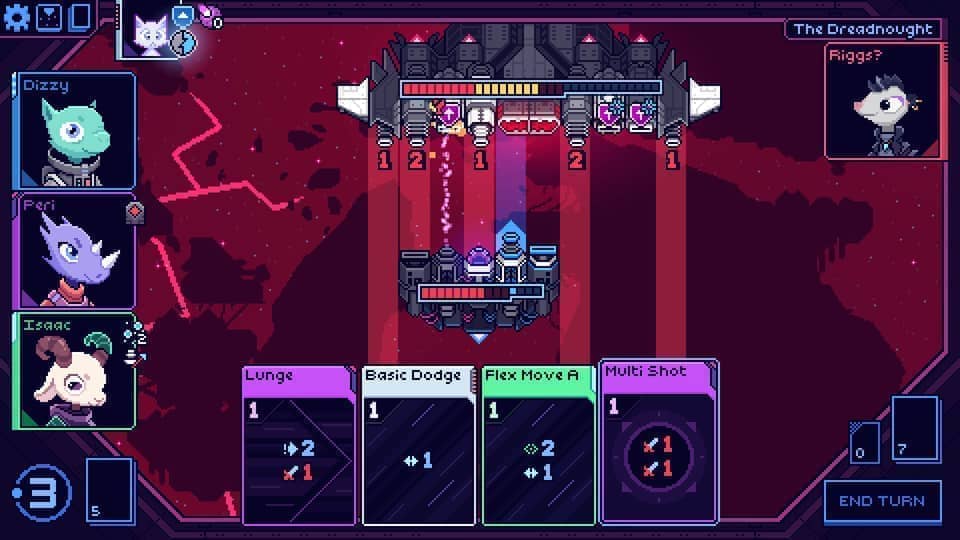
Cobalt Core is one of the easiest games on this list to replay because the combat board is so readable and the ship movement system keeps decisions active. Attacks, defense, positioning, and crew abilities all connect in ways that make even small card choices matter. You are not just stacking damage; you are setting up board states that let your deck actually function.
That clarity helps a lot. The game keeps runs approachable without becoming shallow, and different ship, crew, and card combinations do a good job of creating distinct runs. For players who want replayability without rules overload, this is one of the strongest beginner-friendly picks here.
It is a bit lighter than the top-end monsters of the genre in sheer long-term complexity. That is not a flaw, but it is a real difference. If you want the deepest possible spreadsheet of lines and edge cases, other entries push further. If you want crisp runs that stay fun, Cobalt Core delivers.
Who should play this
- Players who are done with one favorite deckbuilder and want another game that can survive dozens of runs.
- People who care more about changing decision space than raw content volume.
- Deckbuilder fans who like clear systems, sharp combat math, and builds that can pivot mid-run.
- Players looking for beginner-friendly entries like Slay the Spire or Cobalt Core, or more specialized systems like Vault of the Void and Astrea: Six-Sided Oracles.
- Anyone who wants a little more structure or story framing from a replayable run game, especially in Across the Obelisk or Roguebook.
Common mistakes
-
Mistake: judging replayability by unlock count alone.
Fix: Look at how often the game changes card valuation, route planning, and build direction during a run. -
Mistake: treating every deckbuilder as the same kind of long-term grind.
Fix: Decide what keeps you engaged: tactical combat, scoring systems, positioning, party building, or high-control deck tuning. -
Mistake: bouncing off a game too early because the first few runs feel narrow.
Fix: Give games with class combinations, difficulty modifiers, or deeper draft pools enough time to open up. -
Mistake: chasing only broken combo potential.
Fix: The most replayable games are often the ones that still feel good in average runs, not just god runs. -
Mistake: picking based on genre label instead of run structure.
Fix: If you want short, clean loops, avoid slower party-based games; if you want longer-term planning, avoid expecting every run to feel like a fast climb.
FAQ
What makes a deckbuilding game replayable?
The big factors are changing card value, meaningful pathing or encounter choices, distinct classes or factions, and enough build flexibility that you cannot use the same draft logic every run. Good replayability is really about decisions staying live.
Which one here is best for beginners?
Slay the Spire is still the easiest recommendation because its systems are clean and its depth unfolds naturally. Cobalt Core is another strong pick if you want readable combat and less intimidation.
Which game here has the most run variety?
Balatro is probably the wildest in pure run variance, while Monster Train and Slay the Spire offer the strongest blend of variety and consistency. They stay fresh without feeling random for the sake of it.
What should I play after Slay the Spire?
If you want the closest match in long-term decision quality, go to Slay the Spire 2 or Monster Train. If you want a sharper systems-heavy twist, try Vault of the Void. If you want something adjacent rather than similar, Balatro makes sense.
Are any of these more story-rich than the rest?
Most of these are replayability-first games, but Across the Obelisk and Roguebook have a bit more connective adventure framing than the pure run grinders. They are still deckbuilders first, just with more world texture around the runs.
Takeaway
The most replayable deckbuilding games are the ones that keep your evaluations moving. Slay the Spire, Monster Train, and Balatro are the strongest all-around answers, but the best pick depends on what you want to keep changing: combat math, build identity, party structure, or pure scoring chaos.