Best Deckbuilding RPGs for Story, Builds, and Big Campaigns
A curated list of card-driven RPGs where party roles, class progression, narrative choices, and long-form build planning matter as much as efficient card play.
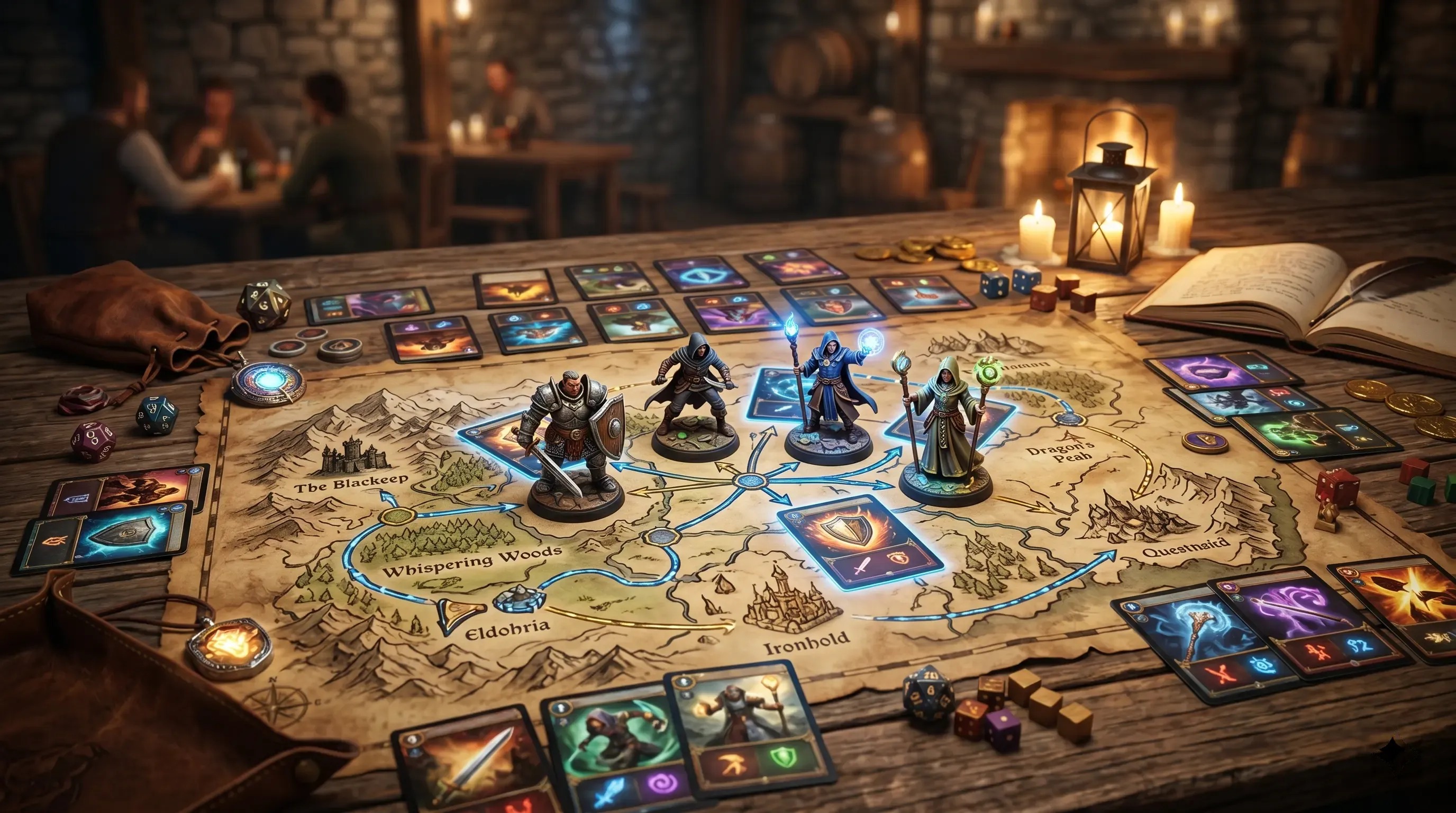
The best deckbuilding RPGs are for players who want more than one clean run and one perfect engine. You still want smart card play, but you also want characters, party roles, campaign pressure, story choices, and builds that feel like they belong to a real RPG character.
This list focuses on deckbuilding RPGs where the RPG layer actually changes the way you draft, fight, and plan. That includes party-based deckbuilders, story-heavy card battlers, tactical RPG deckbuilders, and solo roguelike RPGs with stronger progression than a simple run reset.
It does not include every card game with a quest log. The main question here is simple: does the RPG structure make the deckbuilding more interesting?
Quick picks
| Player itch | Start with | Why |
|---|---|---|
| Best overall deckbuilding RPG campaign | Gordian Quest | Party building, campaign progression, and tactical combat all matter |
| Hardest tactical party fights | Chrono Ark | Boss-focused runs punish weak sequencing and poor recovery timing |
| Best narrative deckbuilder | Griftlands | Combat and negotiation decks make story choices feel mechanical |
| Best co-op party planning | Across the Obelisk | Shared progression and party roles create strong replay value |
| Deepest buildcraft rabbit hole | Erannorth Chronicles | Huge customization depth for players who like complex systems |
| Best folklore story RPG | Black Book | A dark Slavic-folklore adventure built around card-based battles |
| Best sci-fi crawler fit | Deep Sky Derelicts | Party tactics, scavenging, and grim exploration in one loop |
| Best dark solo progression pick | Tainted Grail: Conquest | A moodier solo deckbuilding RPG with long-run progression |
What makes a deckbuilding RPG different?
A normal roguelike deckbuilder usually asks one main question: can you build a strong deck before the run kills you?
A deckbuilding RPG asks a few more questions.
Who is your character? What role does each party member fill? Are you building for one fight, one route, or a long campaign? Do your choices affect the story, your party, or your future options? Are you improving a build over time, or just chasing the strongest card reward?
That extra RPG layer can make the game slower, but it can also make every draft choice feel heavier. A card is not only a card. It might be part of a healer’s identity, a tank’s survival plan, a social negotiation style, or a long-term campaign build.
That is the feeling this list is built around.
If you zoom out beyond traditional deckbuilding RPGs, even lighter card-based experiences like Solitaire Grand Harvest show how progression-driven solitaire mechanics can support long-term upgrade loops, even if they sit outside the tactical RPG space covered here.
1. Gordian Quest
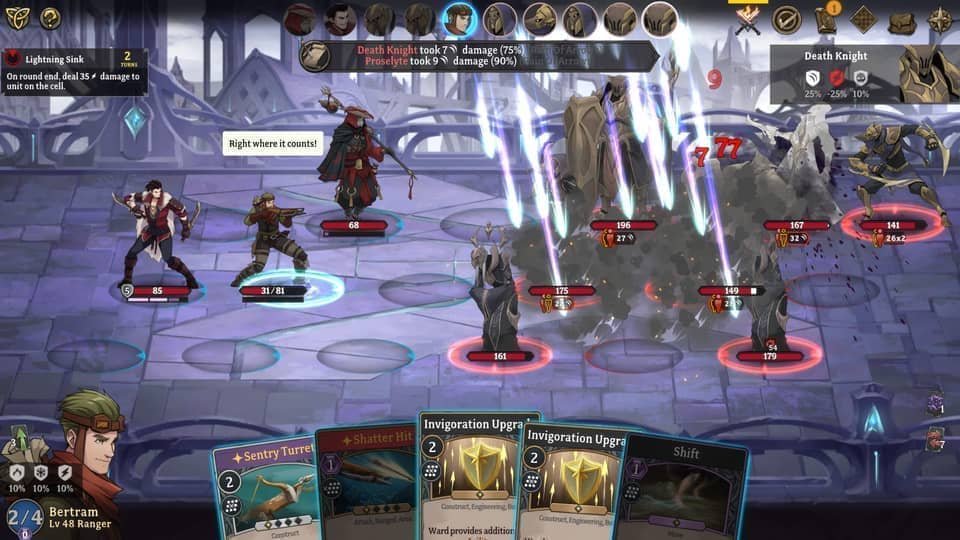
Pick Gordian Quest if you want the cleanest answer to “what if a deckbuilder was built like a proper party RPG campaign?”
Its biggest strength is balance. It has party building, class identity, campaign progression, tactical positioning, and deckbuilding all pulling in the same direction. You are not just building one strong deck. You are shaping a team.
That changes how card choices feel. In a solo deckbuilder, you often ask, “Does this card make my engine stronger?” In Gordian Quest, you also ask, “Does this help the whole party survive?” Damage, defense, support, positioning, and long-term upgrades all matter.
The game is at its best when you treat every character like part of a larger machine. A damage dealer needs protection. A support character needs timing. A tank needs enough tools to keep pressure away from weaker allies. If you only chase flashy cards, the party can become lopsided fast.
The main downside is pace. Gordian Quest is not the fastest or cleanest pick if you only want short runs. There is more campaign structure and more RPG management than in a pure roguelike deckbuilder.
But for players who want a full card-driven RPG campaign, this is the best place to start.
Best for: players who want the strongest overall mix of party building, campaign progression, and tactical card combat.
2. Chrono Ark
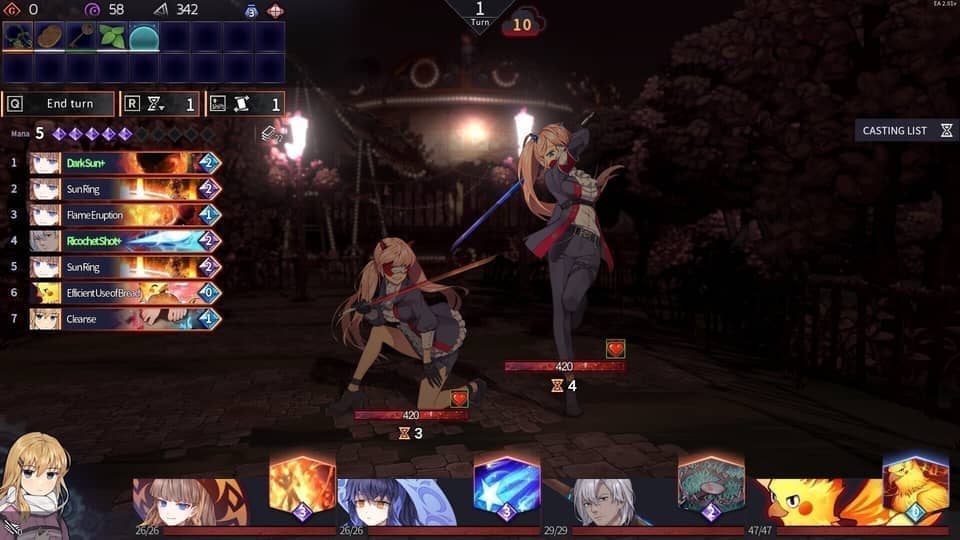
Chrono Ark is the sharpest pick if you want a deckbuilding RPG that bites back.
Do not let the anime style fool you. This is a hard party-based deckbuilder where bad timing can destroy a run. The challenge is not only about having strong cards. It is about knowing when to heal, when to defend, when to push damage, and when to hold resources for the next dangerous turn.
That makes combat feel very tense. Some deckbuilders let you recover from a messy turn if your build is strong enough. Chrono Ark is less forgiving. A weak recovery window, a wasted defensive tool, or one greedy attack can collapse a boss fight.
The party system is the reason it works. You are not only thinking about one character’s hand. You are managing team roles, card timing, survival tools, and burst windows. The game rewards players who enjoy careful sequencing and punishes players who play on autopilot.
The main friction is accessibility. This is not the softest entry point into deckbuilding RPGs. If you want a relaxed story campaign, start somewhere else. If you want difficult tactical fights where every action matters, Chrono Ark is one of the strongest games here.
Best for: players who want hard boss fights, strict sequencing, and party combat with real punishment.
3. Griftlands
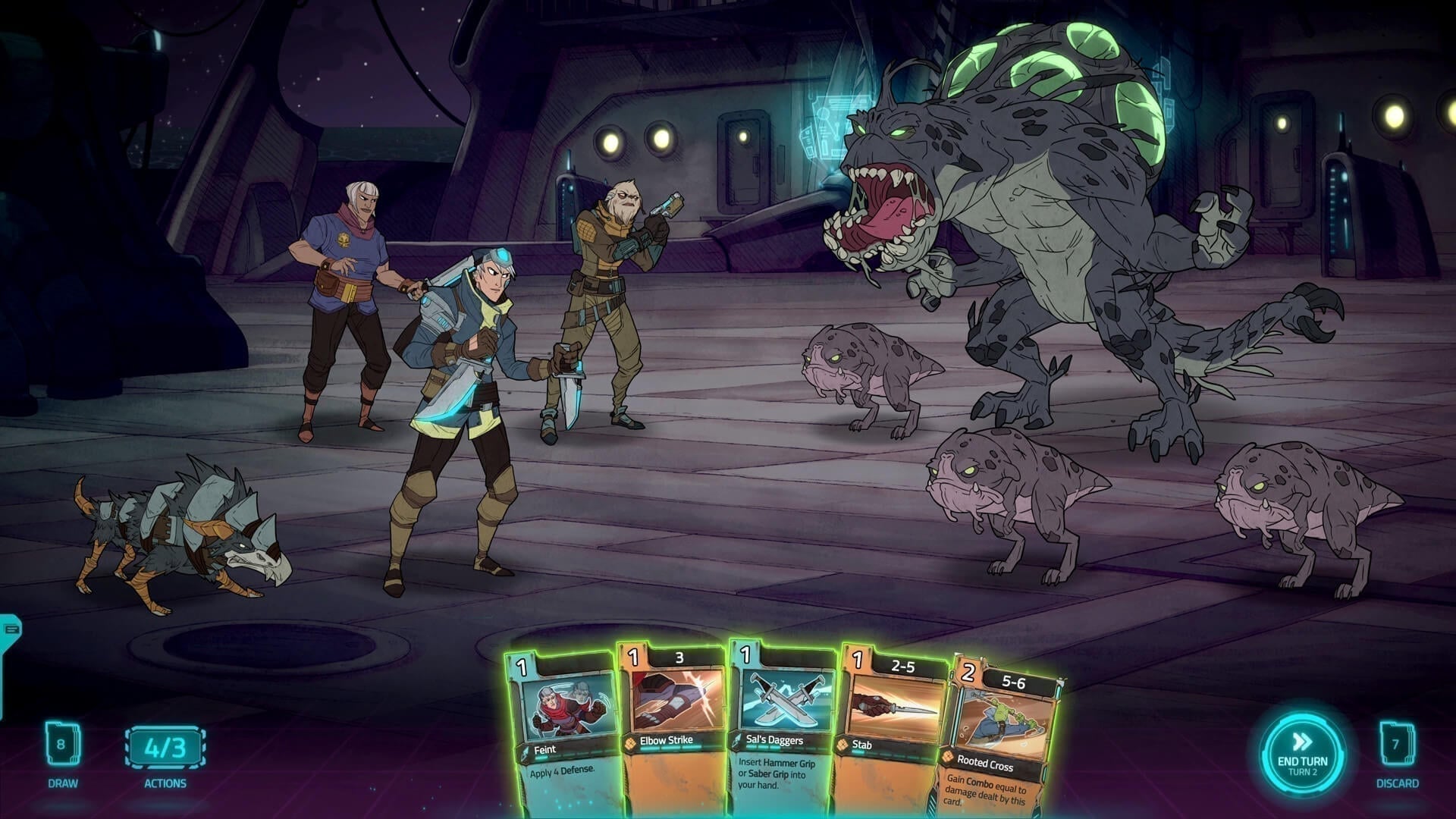
If story choices are the reason you are looking for deckbuilding RPGs, Griftlands should be near the top of your list.
Its smartest idea is simple: combat and conversation use different decks. You do not only fight people. You can argue, persuade, threaten, negotiate, and manipulate through a second card system.
That makes the story feel more connected to the mechanics. A dialogue choice is not just text on a screen. Your negotiation deck has its own rhythm, pressure, and build identity. How you talk to people becomes part of your character.
That is why Griftlands stands out. Many RPGs say choices matter, but the actual gameplay still comes down to combat. Here, social conflict has its own card language. That gives narrative decisions more weight because they are tied to systems, not only dialogue.
The tradeoff is that Griftlands is not the best pick for long-form party construction. If you want class synergy across multiple heroes, Gordian Quest, Chrono Ark, or Across the Obelisk will hit harder.
Choose Griftlands when you want a story deckbuilder where your way of dealing with people becomes part of the build.
Best for: players who want narrative choices, social conflict, and two different deck pressures.
4. Across the Obelisk
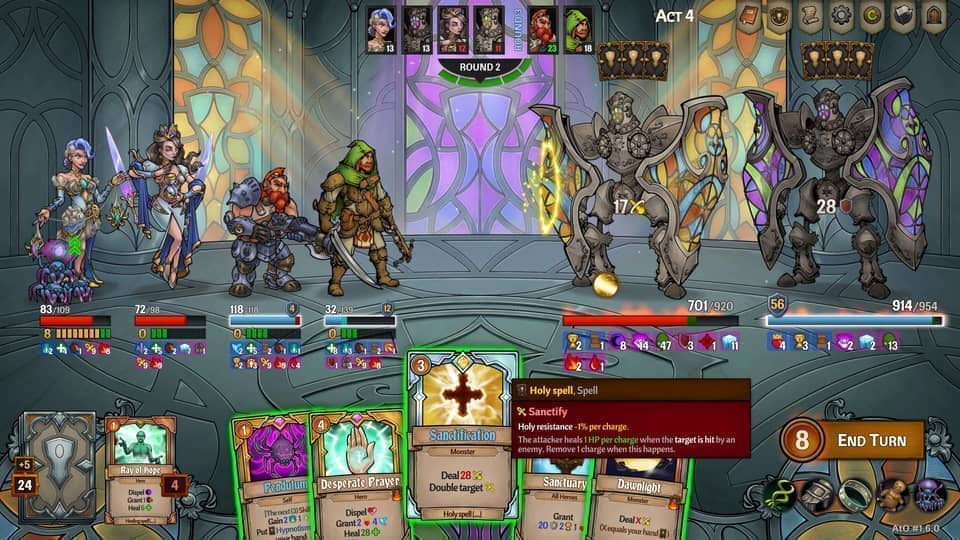
Across the Obelisk is the easy recommendation if you want a party deckbuilder built around co-op, team roles, and repeatable runs.
The big appeal is interdependence. A good card is not always the strongest card for one hero. Sometimes the best pick is the card that protects another role, enables a combo, or keeps the party stable through a dangerous route.
That makes the game feel different from a solo deckbuilder. You are not only building one engine. You are building a party ecosystem. Healers, damage dealers, tanks, and support characters all need to make sense together.
It also has strong replay value. Different party setups, route choices, and build paths give you reasons to come back. It is especially good if you like testing team ideas instead of only chasing one perfect deck.
The downside is speed. Party turns take longer. Co-op planning can slow things down even more, especially if everyone wants to discuss every card reward. The story is also not the main reason to play it.
Pick Across the Obelisk for role synergy, shared progression, and party experiments. Pick something else if you want a tighter solo story.
Best for: players who want co-op deckbuilding, party roles, and high replayability.
5. Erannorth Chronicles
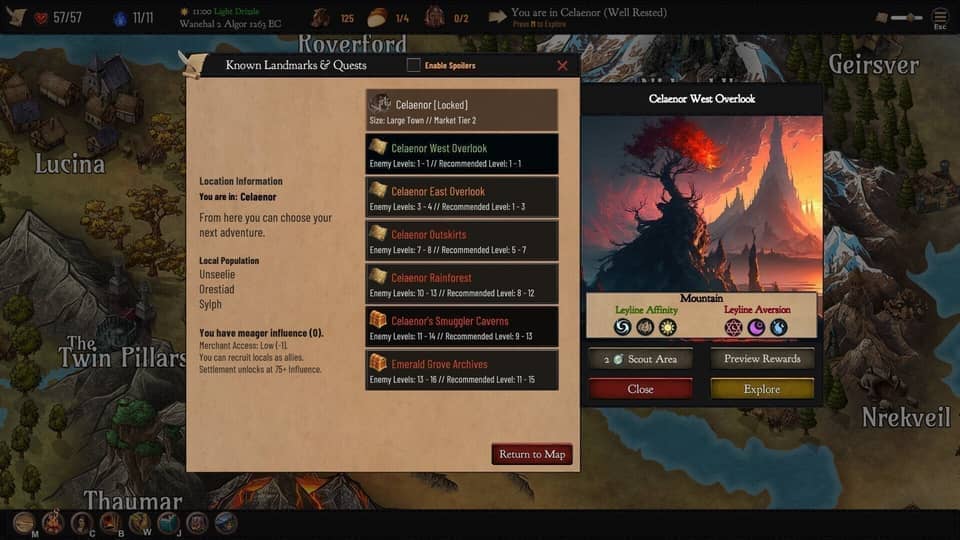
Erannorth Chronicles is not the cleanest recommendation on this list. It is also not trying to be.
This is the deep buildcraft pick. If your favorite part of an RPG deckbuilder is reading systems, testing weird character ideas, and finding strange interactions, Erannorth Chronicles has the kind of density you are probably looking for.
It feels more like a toolbox than a guided ride. That can be exciting if you enjoy complex character creation and long-term planning. It can also be overwhelming if you want a smooth first hour and clear direction.
That is the important warning. Erannorth Chronicles is not here because it is the easiest game to recommend. It is here because it fills a specific role better than almost anything else on this list: maximum customization.
Some players will bounce off the friction. Others will see the friction as the point. If you enjoy buildcraft spreadsheets, strange class ideas, and systems that take time to understand, this is the rabbit hole pick.
Best for: players who want deep customization and do not mind a rougher learning curve.
6. Black Book
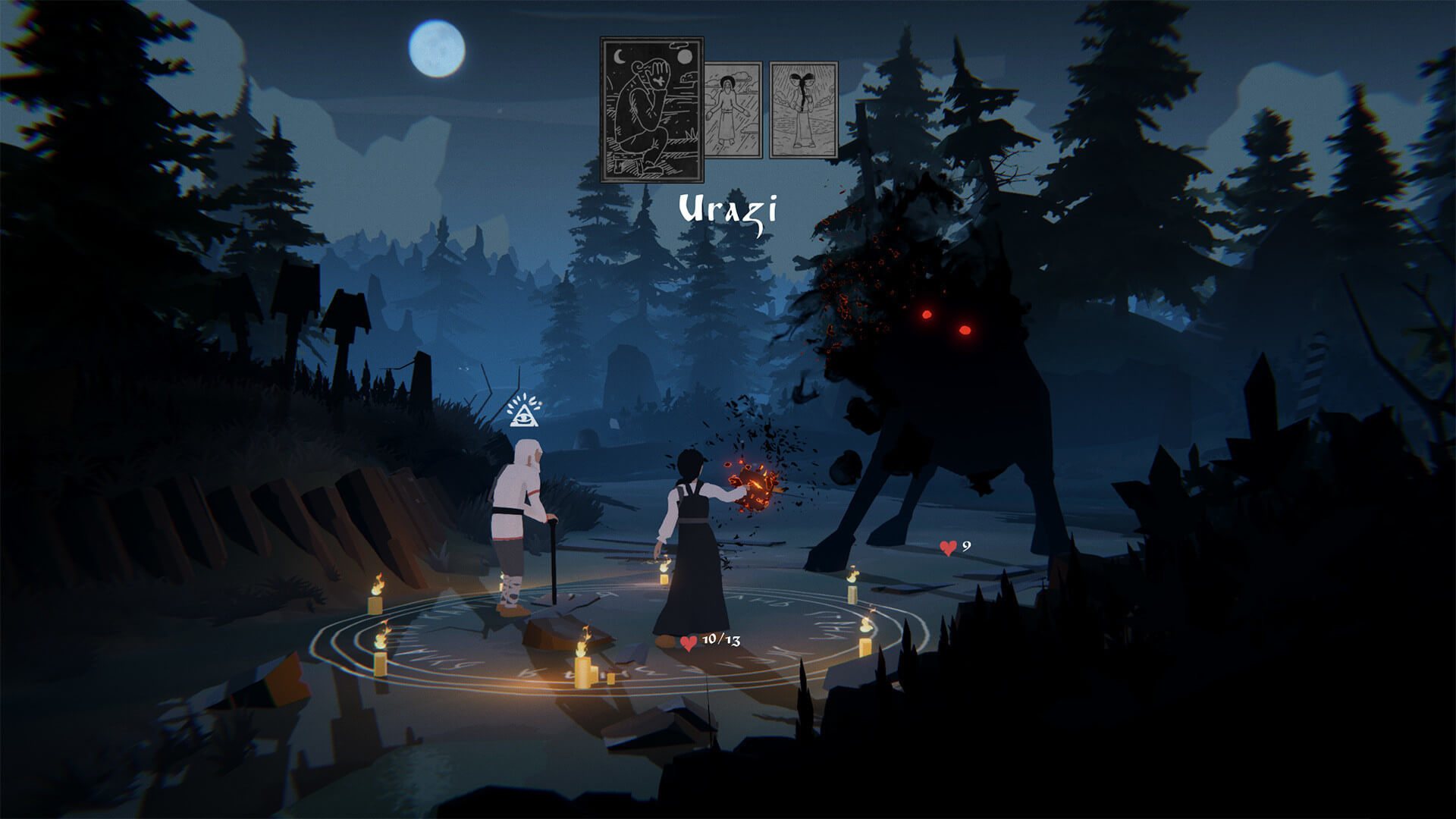
Black Book earns its spot through atmosphere, story identity, and RPG adventure structure more than pure replayability.
It is a dark Slavic-folklore RPG adventure with card-based battles. That alone gives it a very different flavor from the fantasy party builders and roguelike card battlers around it. The card combat is not just an abstract system. It supports a specific journey, world, and mood.
That is the main reason to play it. Black Book feels like a folklore RPG first and a deckbuilding game second. You explore, make choices, meet strange forces, and fight through a dark mythic world where the cards fit the setting.
This is not the best pick if your main goal is endless draft variety or party role optimization. It is also not the deepest buildcraft game here. But it has a strong identity, and that matters.
Choose Black Book when you want story, atmosphere, and a card combat system tied to a very specific world.
Best for: players who want a dark folklore RPG with card-based battles and strong mood.
7. Deep Sky Derelicts
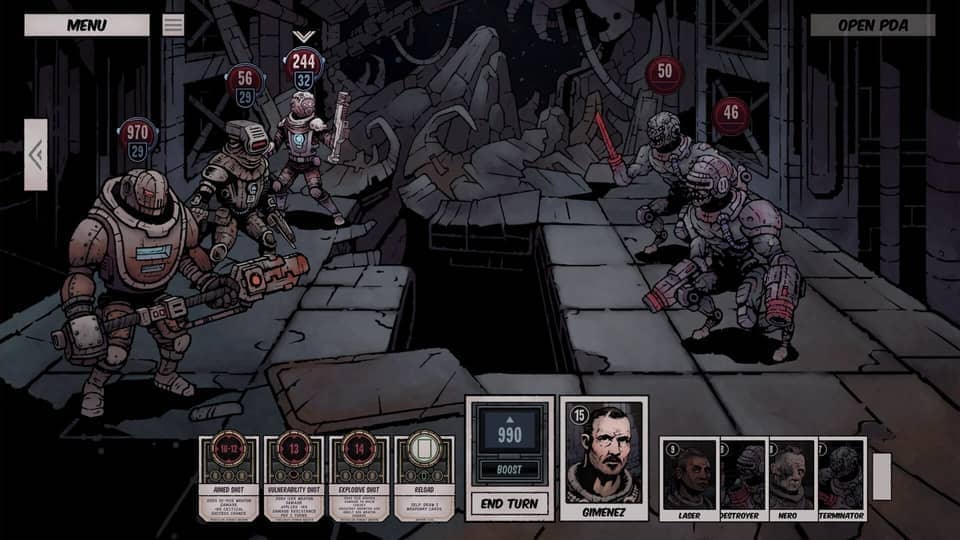
Deep Sky Derelicts is the sci-fi crawler option.
It blends RPG party management, tactical card combat, scavenging, and dangerous exploration. That gives it a rougher, grimmer feeling than many of the cleaner fantasy picks on this list.
The key word is attrition. You are not only asking, “Can I win this fight?” You are also asking, “How much did that fight cost me?” The pressure of exploring derelict ships, managing resources, and keeping the party alive gives the card combat a survival edge.
That makes Deep Sky Derelicts a good fit for players who want their card battler to feel like a crawl. It is less about building a beautiful combo machine and more about surviving one more ugly situation.
The downside is polish and pace. It can feel slower and rougher than games like Gordian Quest or Across the Obelisk. If you want clean draft flow, those games are easier recommendations.
But if you want a grim sci-fi RPG where card combat is part of a larger scavenging loop, Deep Sky Derelicts has a clear place.
Best for: players who want sci-fi exploration, party survival, and tactical card combat.
8. Tainted Grail: Conquest
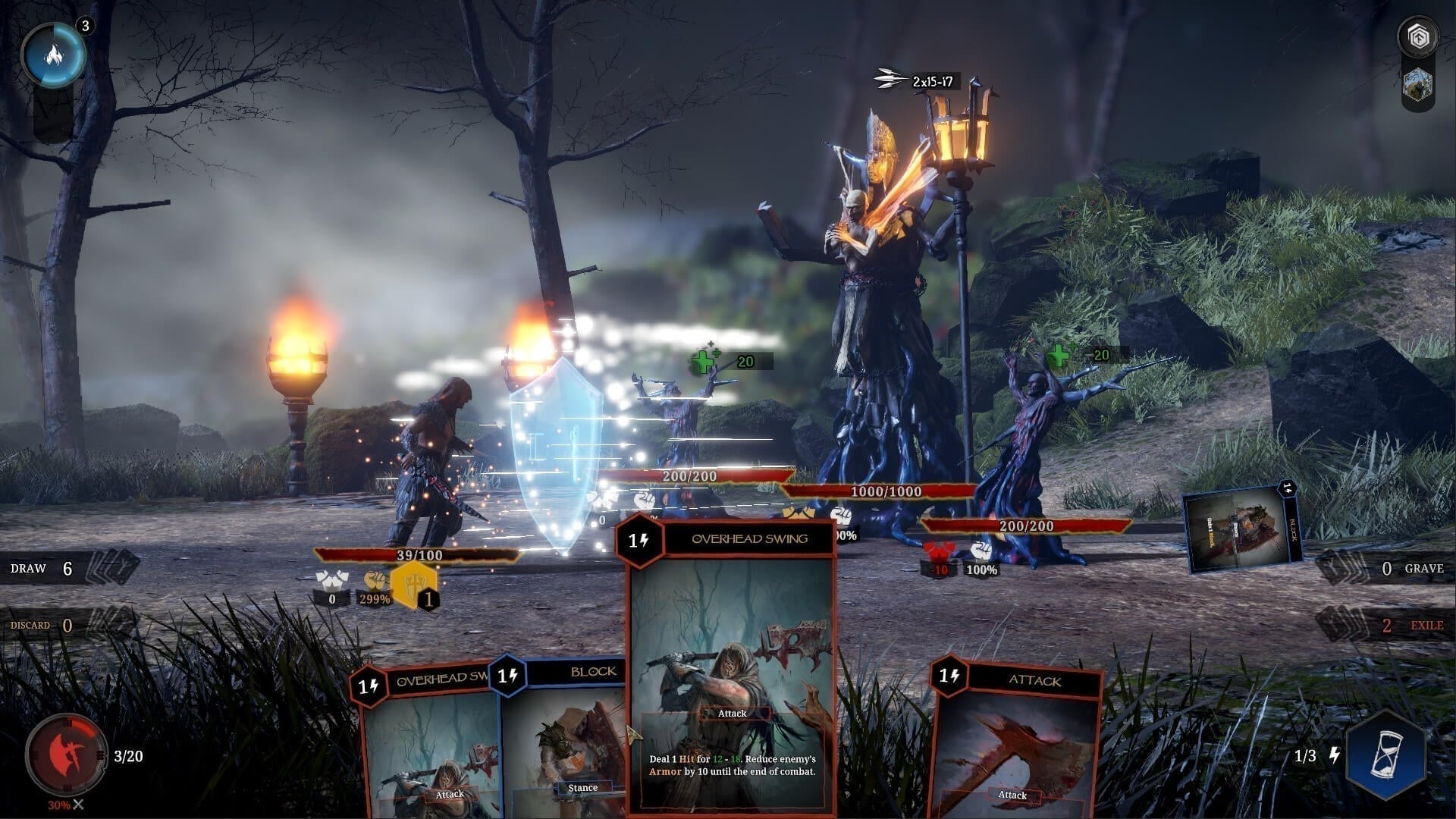
Tainted Grail: Conquest is a partial fit, but an important one.
It is not a party-based deckbuilder, so do not start here if your main reason for searching is multi-character party planning. Its strength is different: it wraps solo deckbuilding in a darker RPG frame with long-run progression and a heavier atmosphere.
The mood is the main hook. Tainted Grail: Conquest feels more oppressive and brooding than the cleaner tactical picks. The world, progression, and dark-fantasy framing give the card play a stronger RPG flavor than a simple abstract run.
That makes it a good choice if you want solo deckbuilding with more campaign weight. It gives you classes, progression, exploration, and a dark world to push through.
The tradeoff is focus. It does not satisfy the same itch as Gordian Quest, Chrono Ark, or Across the Obelisk. Those are better if you want party roles. Tainted Grail: Conquest is better if you want a dark solo RPG deckbuilder with replayable progression.
Best for: players who want a brooding solo deckbuilding RPG instead of party management.
How to choose the right deckbuilding RPG
Start with Gordian Quest if you want the most balanced recommendation. It has the clearest mix of party building, campaign structure, tactical combat, and RPG progression.
Choose Chrono Ark if you want the hardest tactical fights. It is the best pick here for players who enjoy pressure, boss sequencing, and painful mistakes.
Choose Griftlands if story choices matter most. Its separate combat and negotiation decks make narrative decisions feel mechanical instead of decorative.
Choose Across the Obelisk if you want co-op or team planning. It is the strongest pick for shared progression, role synergy, and repeatable party experiments.
Choose Erannorth Chronicles if you want maximum customization. It is the deepest buildcraft option, but also one of the least gentle.
Choose Black Book if you care more about story and atmosphere than replay loops. It is the best folklore RPG pick here.
Choose Deep Sky Derelicts if you want sci-fi attrition and a rougher crawl.
Choose Tainted Grail: Conquest if you want a dark solo progression loop with RPG flavor.
Final shortlist
For most players looking for the best deckbuilding RPGs, the top three are easy:
- Gordian Quest for the best overall RPG campaign structure.
- Chrono Ark for demanding party combat and boss sequencing.
- Griftlands for story choices that become card systems.
After that, the right choice depends on what kind of RPG layer you actually want. Some games give you party roles. Some give you story choices. Some give you deep buildcraft. Some give you atmosphere and long-run progression.
The label matters less than the feeling. The best deckbuilding RPG is the one where the RPG systems make your card decisions sharper, not just longer.
FAQ
What is the best deckbuilding RPG overall?
Gordian Quest is the best overall starting point for most players because it combines party building, campaign progression, tactical combat, and deckbuilding in one clear package.
What is the best deckbuilding RPG for story?
Griftlands is the best pick if you want story choices tied directly to card systems. Black Book is also a strong choice if you want a darker folklore adventure with card-based battles.
What is the hardest deckbuilding RPG on this list?
Chrono Ark is the hardest recommendation here. It is especially demanding because party survival depends on careful sequencing, recovery timing, and boss fight planning.
What is the best co-op deckbuilding RPG?
Across the Obelisk is the best co-op pick. It is built around party roles, shared progression, and team planning.
Which deckbuilding RPG has the deepest customization?
Erannorth Chronicles is the deepest buildcraft pick. It has a steeper learning curve, but it is the strongest choice if you want complex character and deck customization.
Should I play these if I only like Slay the Spire?
Yes, but choose carefully. If you want something closer to pure tactical pressure, start with Chrono Ark or Tainted Grail: Conquest. If you want a bigger RPG layer, start with Gordian Quest or Across the Obelisk.