How to Evaluate Cards Early in a Run
A framework for judging early picks based on consistency, scaling, deck size, and what your first fights actually demand.
Early card rewards decide whether a run feels clean or starts dragging by floor three. The hard part is that the best-looking card in a reward screen is often worse than the boring one that solves your next two fights.
This guide is for players who stall at early picks or keep stuffing the deck with cards that never line up. The angle is simple: judge cards by what your small deck can actually draw, what the next few combats demand, and when scaling is worth taking over immediate stability.
Start With the Next Few Fights, Not the Final Boss
Early picks matter most when they match what the next few fights actually ask for. That sounds obvious, but a lot of bad runs start with a card that is technically strong and practically useless for the next three battles.
The first few fights often reward different things than the rest of the run. You usually need one of these more than anything else:
- efficient frontloaded damage
- reliable block or mitigation
- cheap card flow
- a simple answer to multiple small enemies
That means early evaluation should begin with a short question: what am I likely to lose to in the next few nodes?
In Slay the Spire, a scaling card can be excellent later and still be the wrong pick if your immediate problem is surviving fast hallway fights. In Monster Train, a greedy unit upgrade plan can fall apart if your early floors just need stable wave clear and a way to stop chip damage on upper floors.
New players often overvalue flashy cards early because the upside is easy to picture. What matters more is whether the card stops the damage you are actually about to take.
Value Consistency Over Ceiling in a Small Deck
Consistency beats ceiling when the deck is small. Early on, you draw the same cards often, so every weak or awkward pick shows up more than you think.
A useful way to grade an early card is this:
- How often is it good when drawn?
- How much setup does it need?
- Does my current deck already support it?
- Will I be happy to see it in the next three fights?
High-ceiling cards usually need one of three things: time, support pieces, or favorable draw order. Early decks rarely guarantee any of that. A plain attack that always fixes damage math can be stronger than a scaling engine that only works when the rest of the hand cooperates.
This is where players get trapped by “future deck” thinking. They pick for the deck they hope to build instead of the one they actually have. If your current list cannot enable the card cleanly, treat that as a real cost.
Slay the Spire
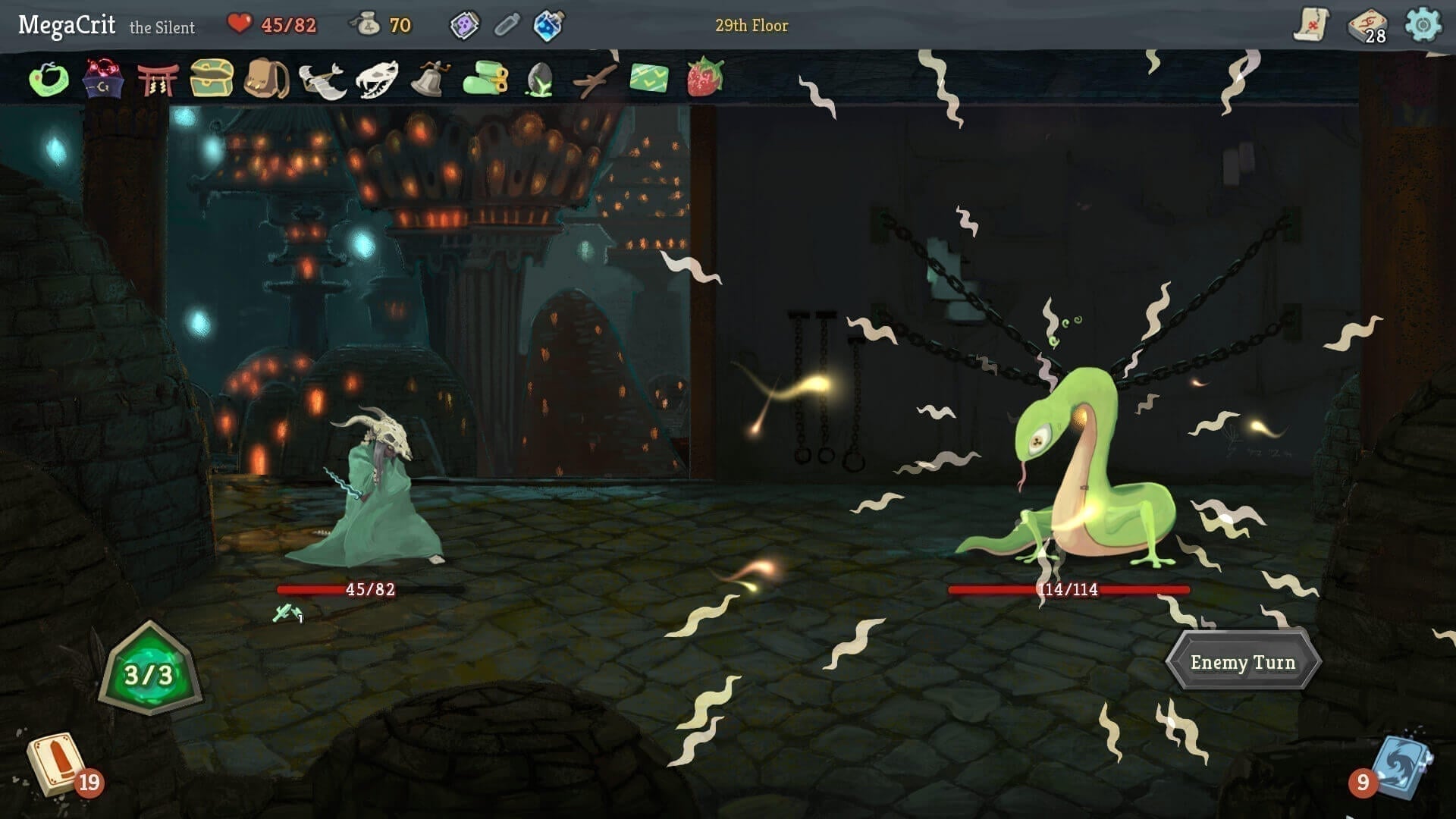
A card like a simple efficient attack often does more for Act 1 than a slower payoff piece with a higher long-term ceiling. The fit is clear: early hallway fights punish dead turns and clunky setup. The difference is that some slower cards become run-defining later, so passing them is not always wrong if your deck already has enough frontload.
Vault of the Void
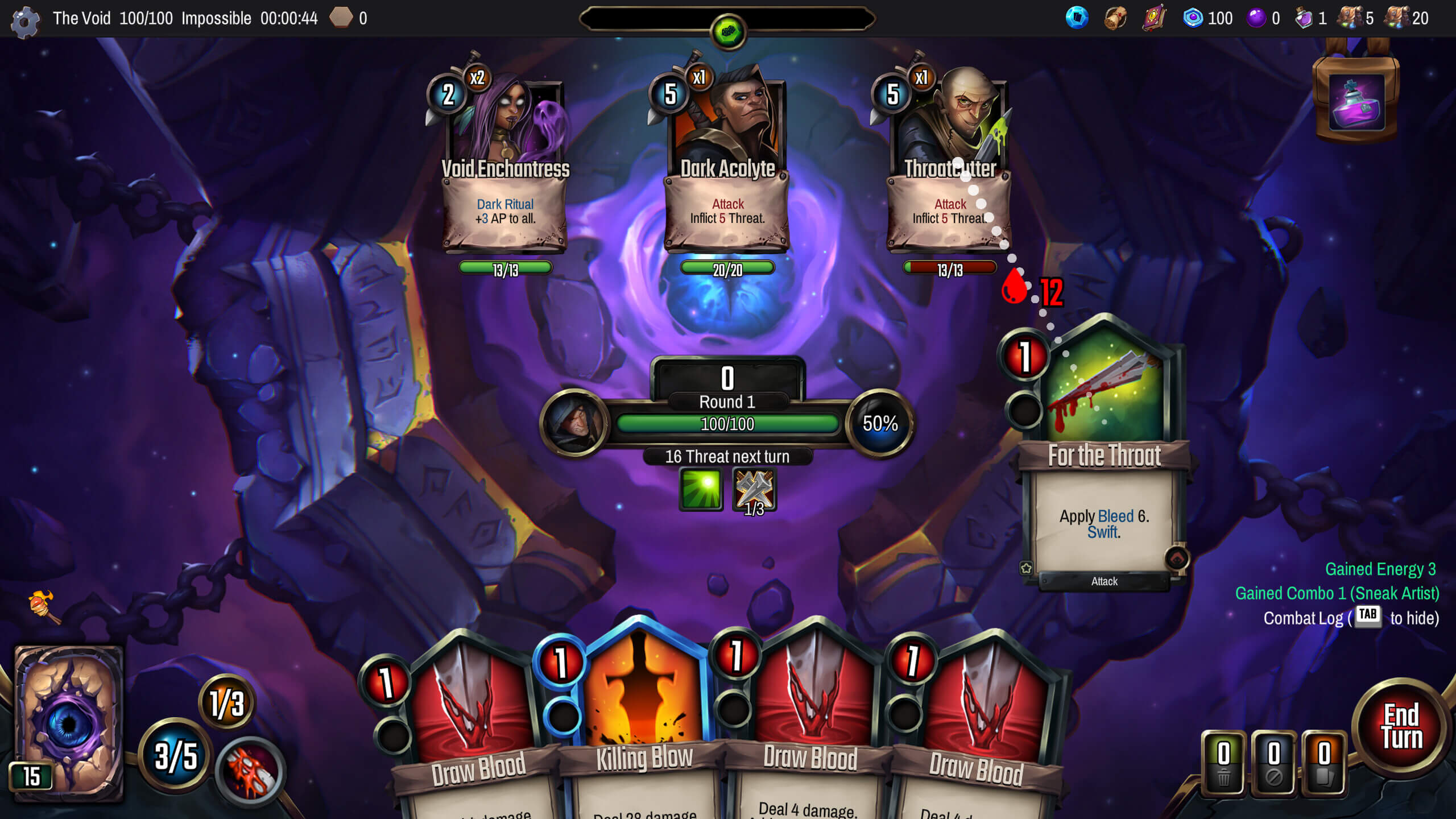
This is a good example of why consistency matters even in a system with more control over your turns. You can shape hands more than in many deckbuilders, so support pieces become easier to justify. Even so, an early card that only works inside a dream sequence of setup can still underperform if your core defense and damage plan are not online yet.
Ask What Job the Card Does Right Now
Don’t evaluate cards as “good” or “bad.” Evaluate them as jobs.
A strong early pick usually fills a specific role your deck is missing:
- Kills basic enemies faster
- Prevents burst damage
- Improves draw quality
- Enables a proven synergy already in the deck
- Solves an elite or route-specific threat
If a card does none of those jobs yet, it is probably a luxury pick.
This is also where deck bloat starts. Players take cards because they are efficient in a vacuum, but not because they fix a real weakness. A deck with six decent attacks can still lose because it never found reliable defense or card flow. Another deck can lose for the opposite reason: too many cute enablers, not enough actual damage.
In practical terms, every early reward should compete against skipping. If the card does not improve a clear job, leaving it behind is often the disciplined play.
Griftlands
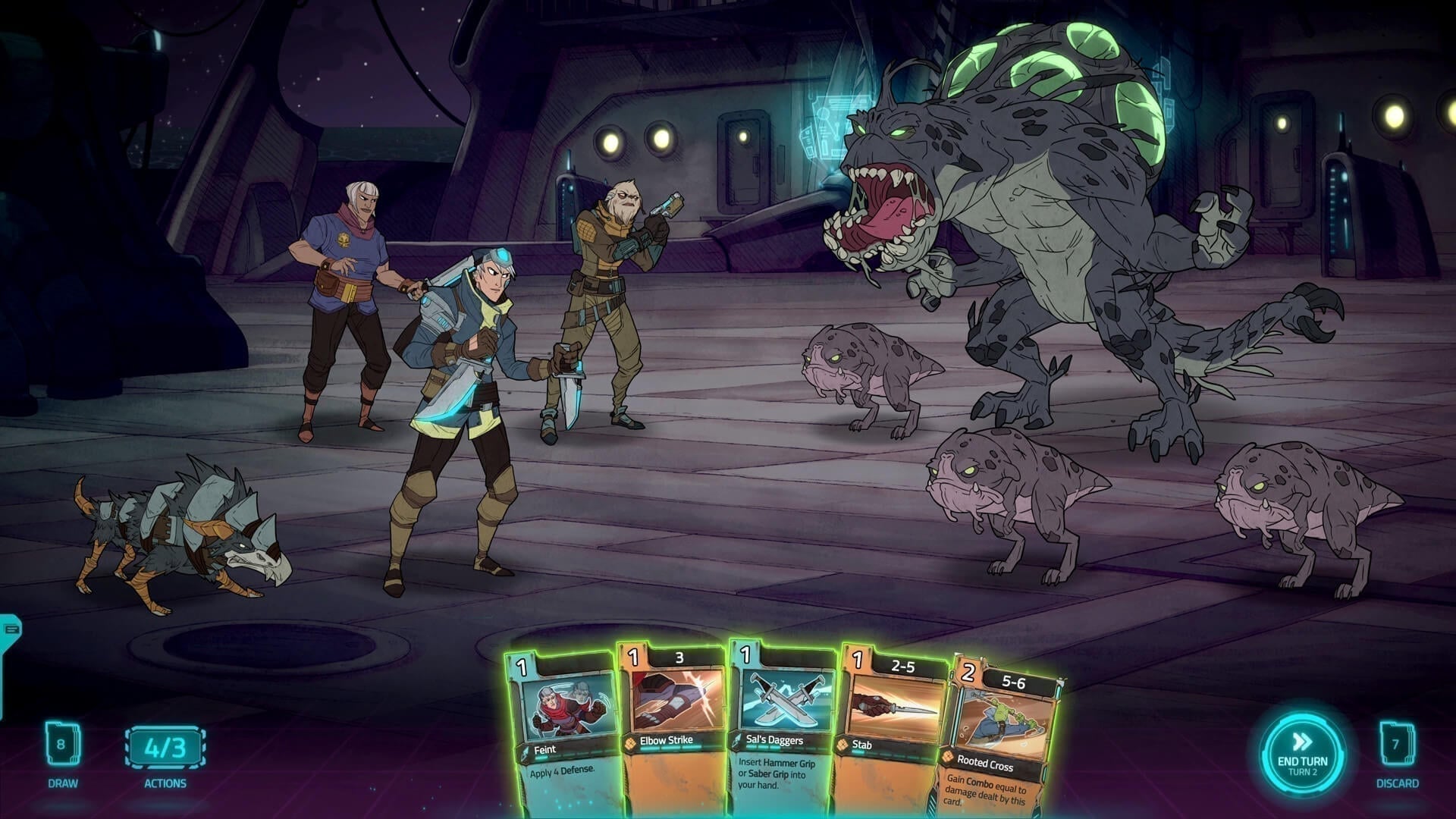
In Griftlands, this job-based approach is especially useful because card context changes fast across negotiation and combat decks. A pick can be individually solid and still be wrong for the lane that is currently struggling. The main friction is that the game presents enough interesting effects to make “goodstuff” drafting feel safe when it often just muddies the deck.
Separate Immediate Power From Real Scaling
Scaling matters. Taking only short-term fixes can leave you flat later. But scaling is not just “big effect later.” Real scaling has to be reachable from your current deck and route.
When you see a scaling card early, check four things:
- Can I survive long enough for it to matter?
- Do I have the energy, draw, ammo, or support to activate it consistently?
- Is my route likely to give me more pieces for this plan?
- What happens if I draw it on turn one in a bad fight?
A card with huge upside but awful floor can still be correct if your basics are already covered. If they are not, it often becomes a liability disguised as ambition.
This is the judgment call many players miss: scaling is best when it lands on top of stability, not instead of it. The earlier the run, the harsher that rule gets.
Monster Train
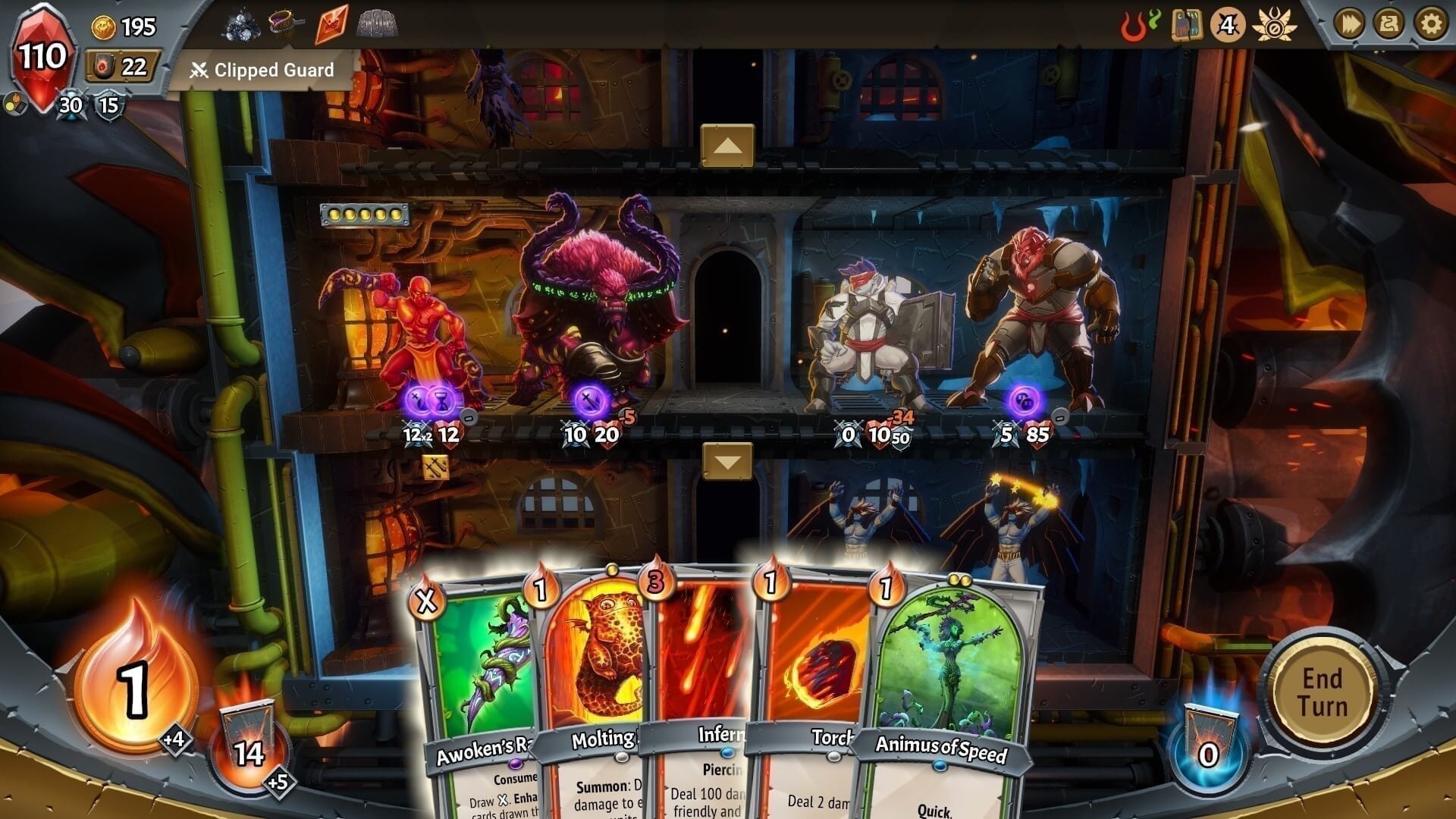
Monster Train makes scaling look irresistible because the payoff can snowball hard. That is exactly why early overcommitting happens. A scaling banner unit or support spell fits well when your floor setup is already functional. If your rings still lack clean early wave handling, though, the smarter pick is often the dull card that keeps the pyre from bleeding.
Astrea: Six-Sided Oracles
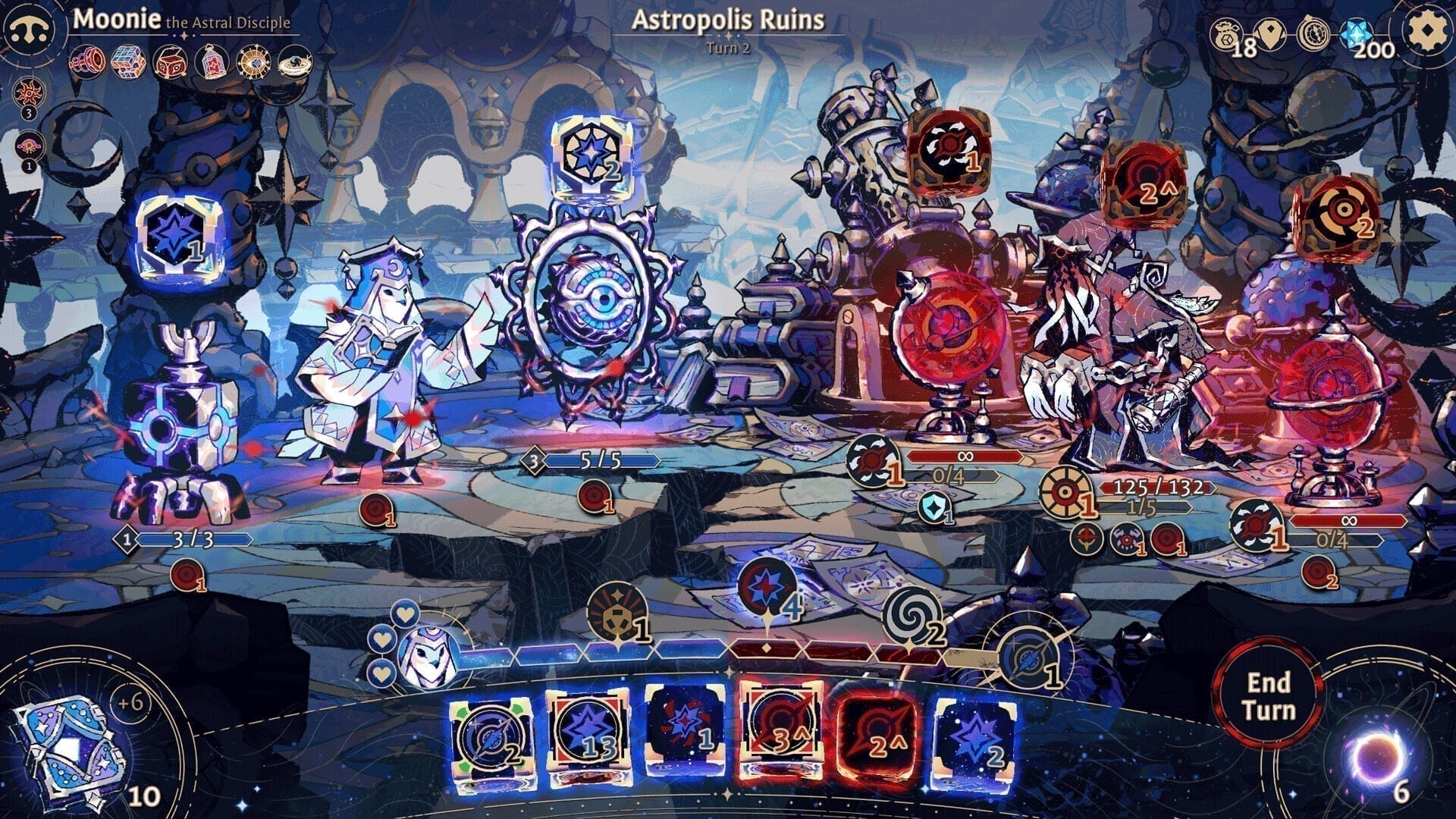
Astrea adds another wrinkle: purification, mitigation, and corruption management all change how “slow” a card really is. A scaling die can be excellent, but only if the rest of your pool can absorb the turns where it does not stabilize the board. The fit is strong for this topic because it punishes wishful drafting harder than many card-only deckbuilders.
Deck Size Changes What "One Good Card" Means
Early deck size is not a minor detail. It is the reason some cards overperform and others vanish into noise.
In a small deck:
- one awkward card appears often
- one strong common answer can carry multiple fights
- narrow synergy cards are harder to justify
- draw smoothing is worth more than players think
That means your early picks should usually favor cards with broad usefulness. Not boring cards for the sake of it—cards that are live in many hands and many fights.
As the deck grows, this changes. You can start taking narrower build-arounds because your shell is more stable and your support density improves. But in the opening stretch, every added card has a heavy opportunity cost.
A good rule: if a card is only great in one specific hand, it is probably late-game material. If it improves lots of average turns, it is a strong early candidate.
Use a Fast Three-Step Test at Every Reward Screen
When you are staring at three cards and freezing, use a short filter instead of trying to solve the whole run.
Step 1: What am I dying to first?
Name the actual problem:
- not enough damage
- not enough block
- weak turn one
- bad multi-enemy coverage
- no scaling
- too many dead draws
If you cannot name the problem, you are likely to draft on vibe.
Step 2: Which card is best in the next few fights?
Ignore the dream combo for a second. Pick the card that is most likely to matter immediately, unless your current deck is already stable enough to afford greed.
This is where many players improve fastest. Once you stop treating every reward as a build-around opportunity, your runs get cleaner.
Step 3: Is this card better than skip?
Not every reward deserves a pick. If a card does not fix a current issue, increase consistency, or support an existing plan, skip is live.
That last point is what separates a focused deck from a pile. Early discipline pays off later because you draw your best cards more often.
FAQ
Should I always take early damage cards first?
No. Early damage is often premium because it shortens fights and prevents incoming hits, but not every deck is short on damage. If your current problem is surviving burst turns or drawing hands that do nothing, defense or card quality can be the better pick.
When is it correct to take a greedy scaling card early?
Take it when your deck already handles the next few fights well enough, or when the scaling card is still acceptable without perfect support. The key test is simple: if drawing it early makes your bad fights worse, be careful.
Is skipping cards early actually good?
Yes, often. Early deck bloat is one of the most common mistakes in roguelike deckbuilders. A skipped reward keeps your best cards appearing more often and makes later synergy picks cleaner.
Why do flashy cards feel stronger than they are?
Because the upside is memorable and the failure cases are easy to ignore. New players often remember the one fight where the card popped off and forget the four fights where it clogged the hand.
How do I know if a card is too narrow?
Ask how many hands and fights it improves right now. If it needs multiple support pieces, exact draw order, or a specific enemy pattern before it looks good, it is narrow for an early pick.
Takeaway
Early card evaluation gets easier once you stop asking which card is strongest in theory and start asking which one helps your actual deck survive the next few fights. Prioritize consistency, give scaling a real support check, and remember that in a small deck, every awkward card shows up on schedule.