Common Beginner Mistakes in Roguelike Deckbuilders
The patterns that trip up new players early, from overstuffed decks to weak pathing decisions and bad short-term reads.
You want cleaner wins, fewer dead turns, and runs that stop collapsing in the middle. In roguelike deckbuilders, most beginner losses are not about bad luck. They come from a few repeat mistakes: bloated decks, lazy card picks, and pathing that assumes the next fight will somehow fix everything.
This guide is for players who already get the genre loop but keep stalling out before a build comes together. The focus here is practical: what new players misread during a run, why the common advice is only half right, and how to make better decisions in the moment.
Stop Taking Cards Just Because They Look Strong
The most common beginner mistake is simple: taking too many cards.
New players often overvalue flashy cards early. A big rare, a cool status effect, a card with three lines of text — all of that feels like progress. Sometimes it is. More often, it just makes your deck worse at doing the one thing it already did reliably.
A card is not good because it is powerful in isolation. It is good if it improves your next few fights without weakening your draw consistency. That distinction matters fast.
A better rule:
- Skip more often than you think
- Add cards that solve a clear problem
- Prefer cards your deck can actually support right now
- Treat card removal as deck quality, not just cleanup
In Slay the Spire, this is the classic trap of grabbing every interesting attack in Act 1 and then wondering why block turns become awful. In Monster Train, it shows up when players jam too many scaling pieces into a clan setup that still cannot survive the early floors. Different games, same problem: deck bloat feels fine until the run demands consistency.
Do Not Judge Picks by Ceiling Alone
Beginners love asking, "How broken can this get?" The better question is, "What does this do in the next two fights?"
This is where common advice becomes lazy. Yes, scaling matters. Yes, synergy wins runs. But if your current deck cannot survive long enough to cash in on those ideas, the high-ceiling pick is just a future fantasy.
When you evaluate a card, relic, charm, or passive bonus, check three things:
- Does it help immediately?
- Does it still fit if the run goes in a different direction?
- What does it replace in my current game plan?
That last question is the important one. Many new players treat every good option as additive. It usually is not. A slow setup card may directly compete with the cheap defense card that keeps you alive. A combo enabler may take the slot of the boring but essential consistency tool.
Slay the Spire
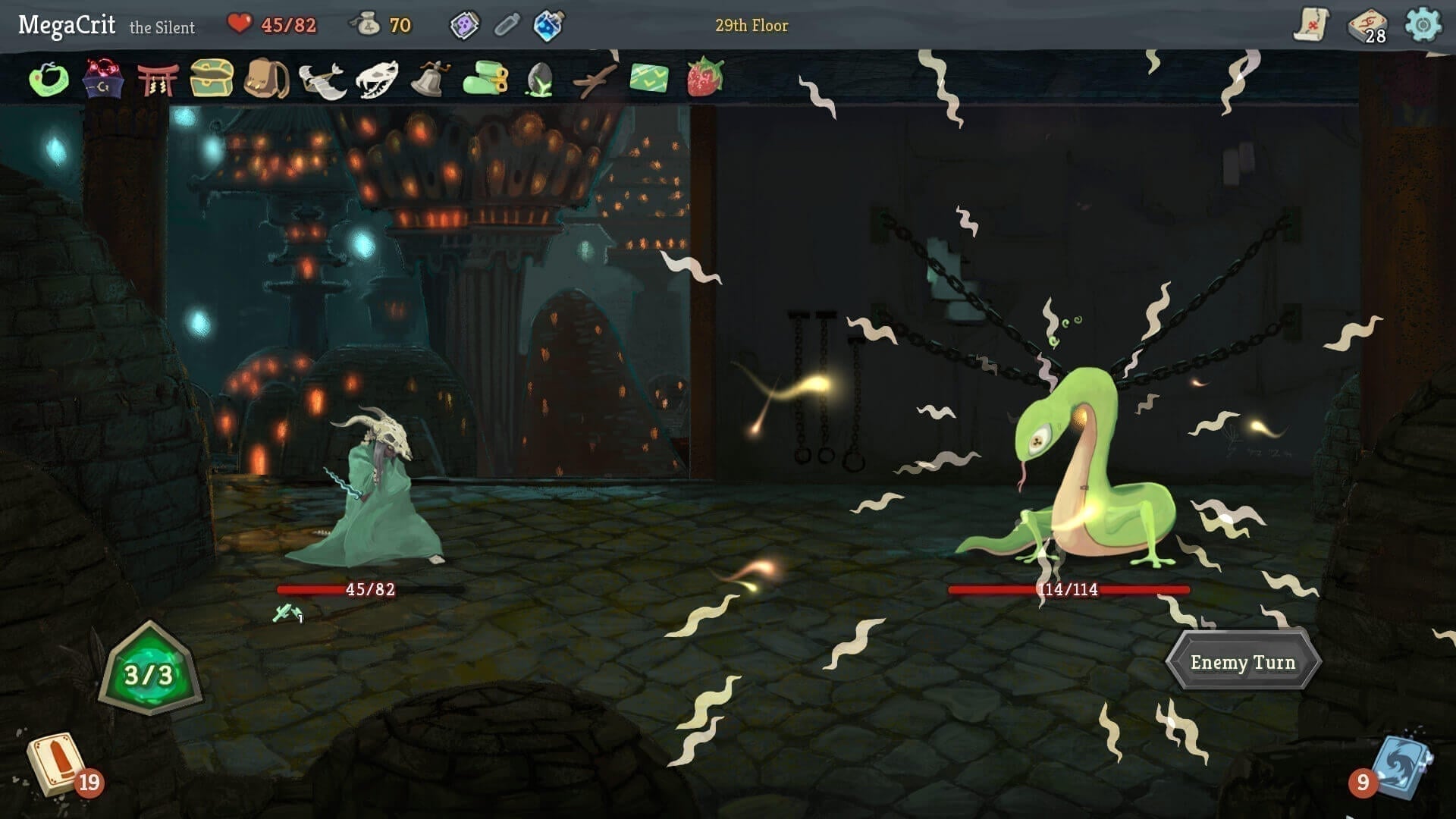
This is one of the cleanest games for learning card evaluation because the punishment is obvious. If your deck cannot block, hallway fights punish you. If your deck cannot scale, elites and bosses punish you.
A strong beginner adjustment is to draft for the next problem, not the dream deck. Early on, frontloaded damage and efficient defense are often worth more than cute synergy. The trap is that a card can be "correct later" and still be wrong now.
Vault of the Void
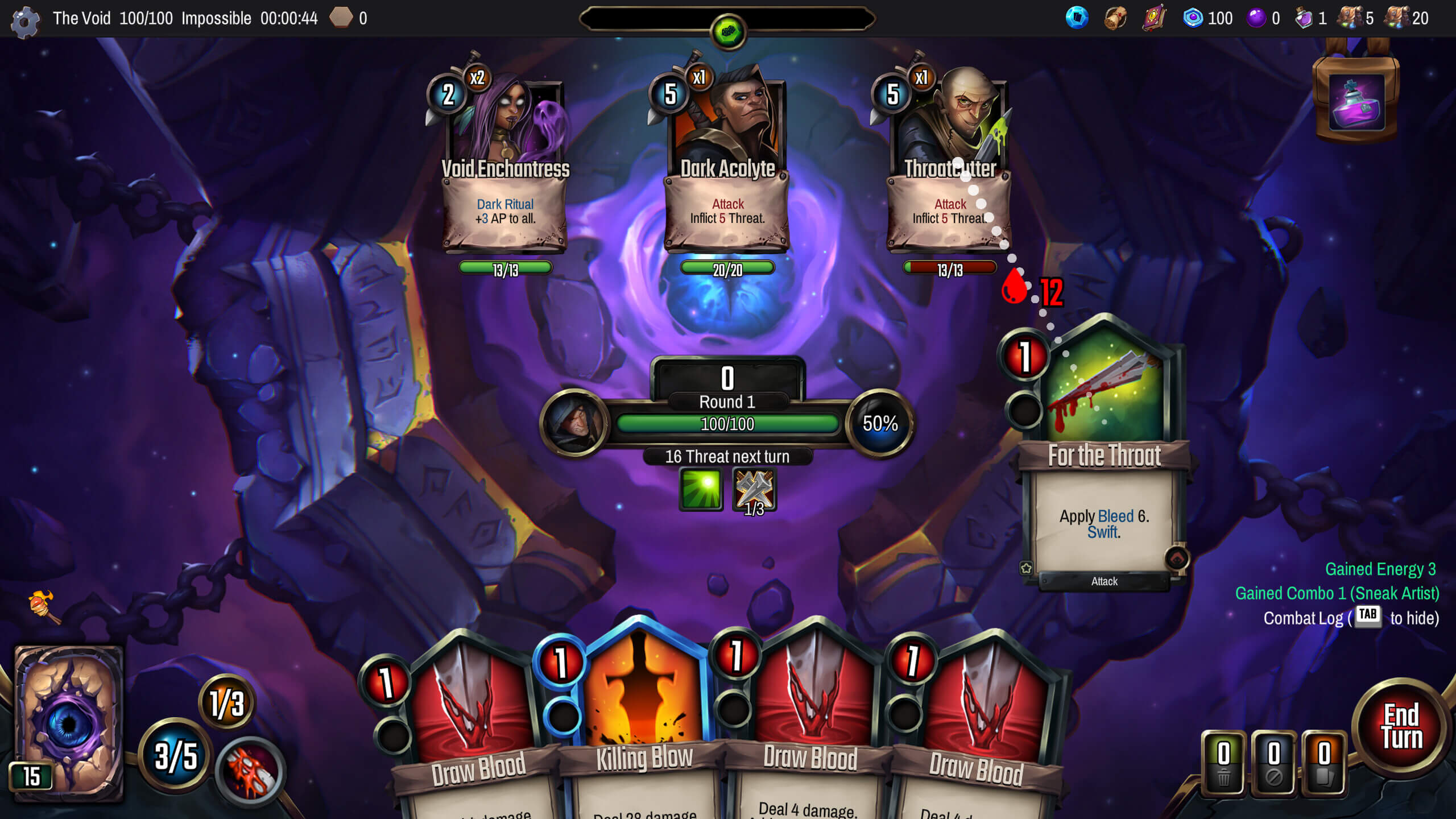
Vault of the Void makes this lesson even clearer because the systems are more readable and more flexible. You can shape turns with more control, so weak evaluation stands out fast. If you keep taking cards that only work in ideal setups, the run starts feeling clever on paper and clumsy in actual fights.
The useful difference here is that the game gives you more room to plan around your deck. That makes it great for learning. It also means bad habits can hide behind the feeling of control if you are not honest about what your list actually does.
Pathing Is Not a Side Decision
A lot of new players treat pathing like a bonus layer. It is not. Pathing is deckbuilding by other means.
Every route choice answers a basic question: what kind of run are you trying to build from here? More card rewards, more shop access, more elite risk, more healing, more upgrade chances. If your path and your deck are asking for different things, the run starts bleeding value immediately.
Pathing mistakes compound when the deck is weak. That is why "always fight elites" is bad beginner advice. Elites are great when your deck is ready for them or when the risk is worth the relic payoff. They are awful when your current list barely handles normal fights.
A more useful pathing approach looks like this:
- Take elites when you have enough immediate power or a strong bailout option
- Prioritize upgrades when your best cards are already identified
- Use shops to fix specific problems, not to browse for miracles
- Avoid routes that demand too many clean wins from a shaky deck
Monster Train
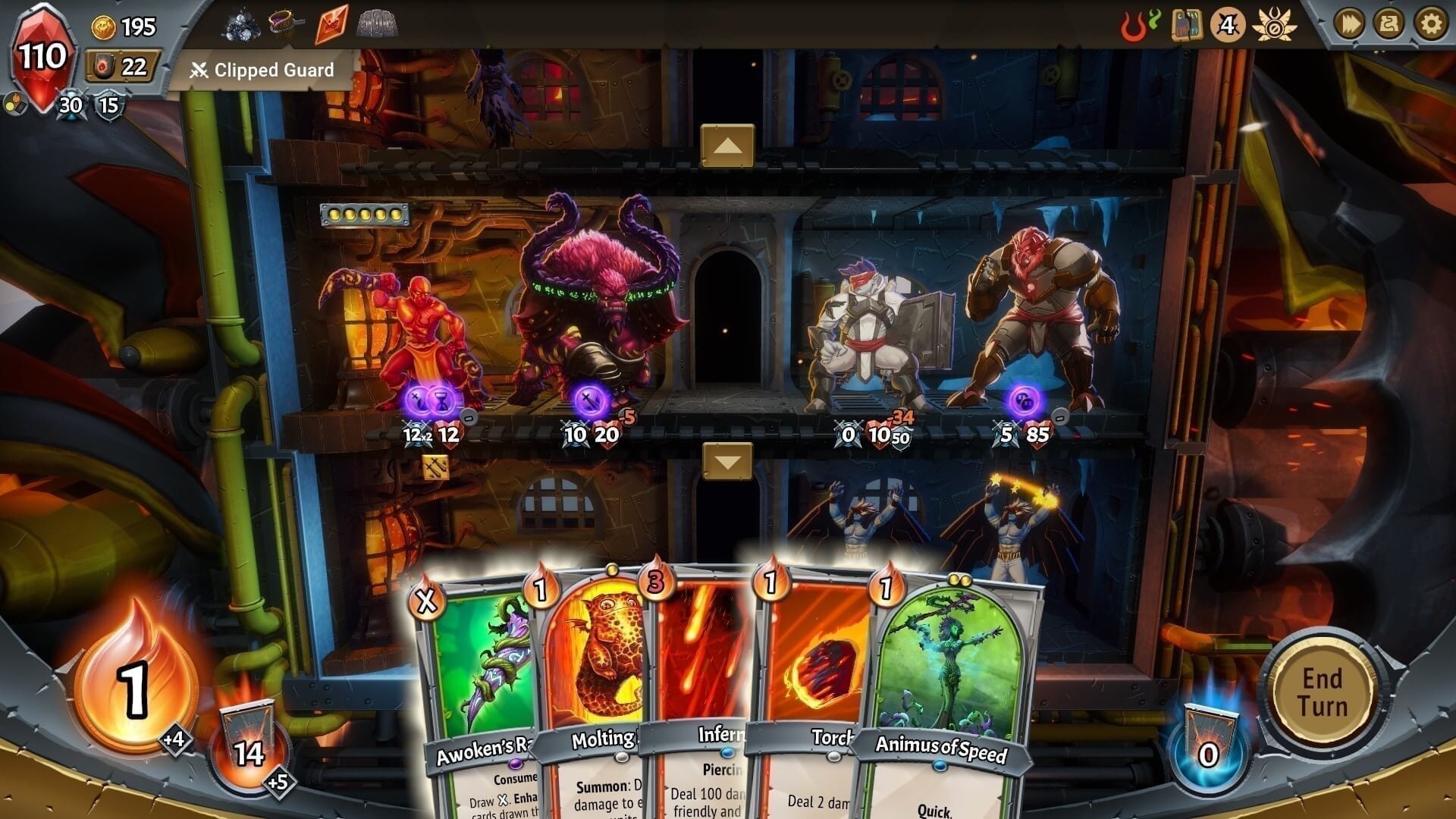
Pathing in Monster Train is a great example because the map asks for explicit tradeoffs. Do you want a merchant for units, a merchant for spells, a guaranteed upgrade line, pyre health, or a risky trial for extra rewards?
The beginner error is chasing reward density without asking whether the deck can absorb the risk. Trials look tempting. Extra gold looks tempting. But if your floor setup is still unstable, those choices can snowball into losses before your scaling comes online.
Roguebook

Roguebook teaches a slightly different version of the same lesson. Because map exploration is part of the run texture, newer players often spend resources too loosely early, then realize they missed cleaner ways to reach key fights or rewards.
The right read is not "explore everything." It is "spend map tools where they create a better route." Efficient pathing is not just about seeing more nodes. It is about reaching the nodes your deck actually needs.
Build for Reliable Turns, Not Just Big Turns
Dead turns kill more runs than low damage rolls.
A beginner deck often has a few explosive draws and a lot of awkward ones. That feels exciting until a boss or elite asks for stable output over several turns. Then the run falls apart because the deck has no floor.
Reliable decks usually have:
- Enough low-cost plays to avoid wasted energy
- Enough defense to survive weak draws
- Enough card flow, manipulation, or thinning to find key pieces
- A clear main plan that does not require perfect sequencing every combat
This is why consistency tools are often stronger than they look. Card draw, retain, deck filtering, discard synergy, energy smoothing, and removals rarely look as flashy as payoff cards. They win anyway.
Balatro
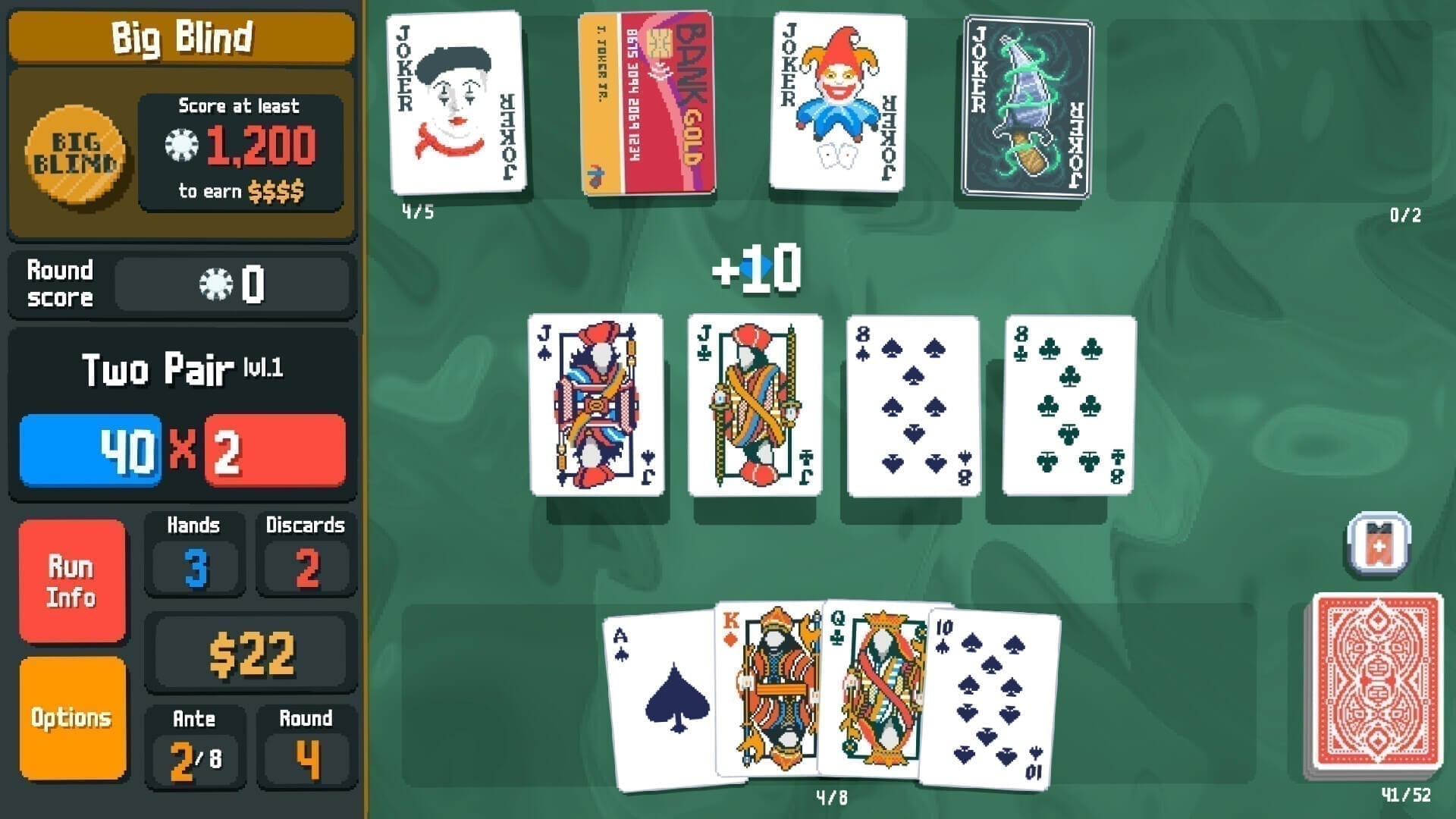
Even though Balatro works differently from traditional combat deckbuilders, the same mistake appears in a new form. Beginners chase high-roll poker hands and spectacle, then lose because the run has no reliable way to score through bad shop offers or awkward blinds.
What fits here is the lesson, not the exact combat structure: stable engines beat scattered greed. The difference is that Balatro asks you to think more about scaling math and shop discipline than defensive sequencing.
Astrea: Six-Sided Oracles
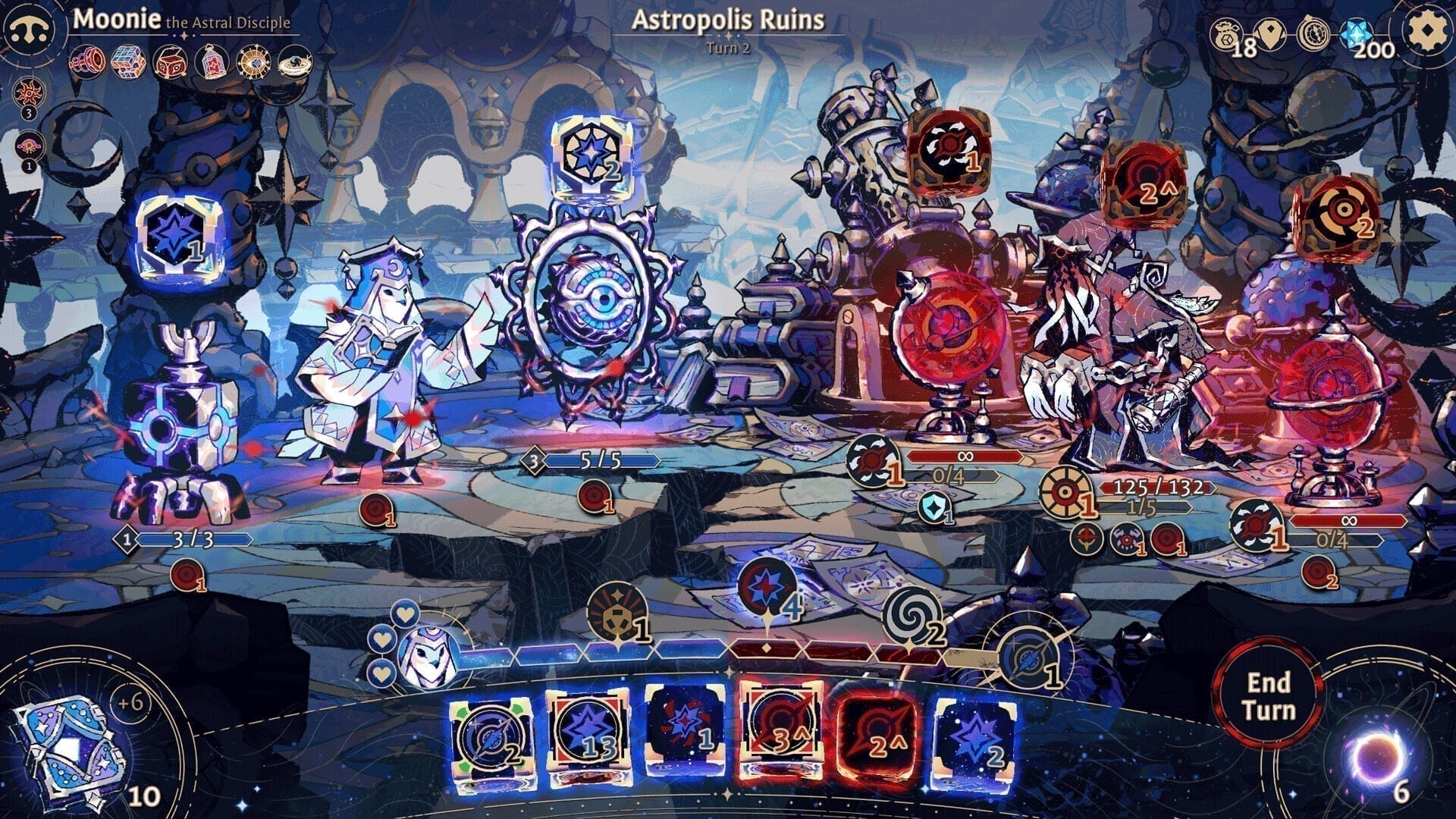
Astrea is excellent for learning reliability because its purification and corruption systems force you to think about variance in a more visible way. New players often grab effects that seem explosive without respecting how messy the overall pool becomes.
The smart adjustment is to value control and clean targeting more highly than you first want to. If your tools let you manage outcomes consistently, the run gets safer and stronger at the same time.
Do Not Confuse "Flexible" With "Directionless"
A lot of advice tells beginners to stay open. That is true, up to a point.
Staying flexible early is good because you do not know what rewards the run will offer. Staying vague too long is how you end up with a deck that kind of attacks, kind of blocks, kind of scales, and does none of it well enough.
You want controlled flexibility:
- In the early game, draft broadly enough to survive and respond
- In the mid game, identify what your deck actually does best
- In the late game, tighten around that plan and stop hedging every weakness with more cards
This is one of the clearest judgment calls in the genre. "Take generally good cards" is often correct at the start. It becomes lazy advice once the deck has a direction. At that point, generic value can be worse than narrow synergy because it muddies your draws and slows your best turns.
Tainted Grail: Conquest

This game tends to expose directionless drafting hard. Runs can support some adaptation, but once your deck starts leaning into a core package, half-committing to three different plans usually creates awkward sequencing and weak defensive windows.
The useful warning here is that some cards stay individually strong even when they no longer belong in your list. New players keep taking them because they still look efficient. That is how solid runs drift into mediocre ones.
Treat Removal, Upgrades, and Shops as Core Power
Beginners often see these as support choices. They are not. They are some of the highest-impact decisions in a run.
Removing weak starters improves every future shuffle. Upgrading the right card can outperform adding a new one. Visiting a shop to solve one specific issue is often stronger than taking a fight that gives you another uncertain reward.
The common miss is waiting too long to make the deck cleaner. Players keep adding options because adding feels active. Then a boss shows up, the deck is thirty cards deep, and the best cards are buried under filler.
A few practical checks help:
- Remove cards that actively dilute your main plan
- Upgrade cards you expect to play often, not just cards with the coolest upgrade text
- Enter shops knowing what problem you want to solve
- Do not spend all your gold just because the inventory is decent
This is also where newer players can improve quickly without learning every matchup. Better deck maintenance alone fixes a lot of avoidable losses.
FAQ
How many cards should I take in a roguelike deckbuilder?
Fewer than your instincts probably want. There is no universal number, but the rule is simple: only add cards that clearly improve your deck. If a reward is just "pretty good," skipping is often correct.
Should beginners avoid elites?
No. They should avoid taking elites by habit. Fight elites when your current deck can handle them or when the payoff justifies the risk. If normal fights already feel shaky, forcing elites is usually just bad pathing.
Is it better to draft for the early game or late game?
Early survival comes first. A late-game payoff is useless if the deck cannot reach that point. The better approach is to solve immediate problems while leaving room for stronger scaling once the run is stable.
Why do my runs feel strong early and collapse later?
Usually because the deck is inconsistent. Too many situational cards, not enough reliable defense or card flow, and weak pathing all show up harder as fights get longer and enemies punish setup turns.
Are flashy rare cards worth taking?
Sometimes, yes. The mistake is taking them automatically. A rare card still needs to fit your current deck, your energy curve, and the next stretch of fights. High ceiling does not excuse low impact right now.
Takeaway
Most beginner mistakes in roguelike deckbuilders come down to one thing: choosing what looks strong instead of what makes the run more reliable. Keep the deck lean, path for your actual power level, and judge every pick by what it fixes now and what it enables later.