Best Card Battlers With Fast Runs
A practical list of card battlers that get to the point quickly without losing build depth or tactical tension.
Some card battlers respect your time. They get you into meaningful fights fast, keep turns sharp, and still leave room for real build craft. These 10 picks do exactly that, with different flavors of speed, pressure, and replayable tactics.
Quick take
- Balatro is the cleanest pick if you want absurd build spikes and very little downtime.
- Monster Train and Monster Train 2 are great when you want fast runs with heavier tactical layering than most deckbuilders.
- Dicey Dungeons is the easiest one to jump into, with short runs and readable choices from the first fight.
- Astrea: Six-Sided Oracles is for players who want quick turns but a fresher system than standard attack-block deck loops.
- Knights in Tight Spaces is the pick if positioning matters to you as much as card efficiency.
The 10 picks
Balatro
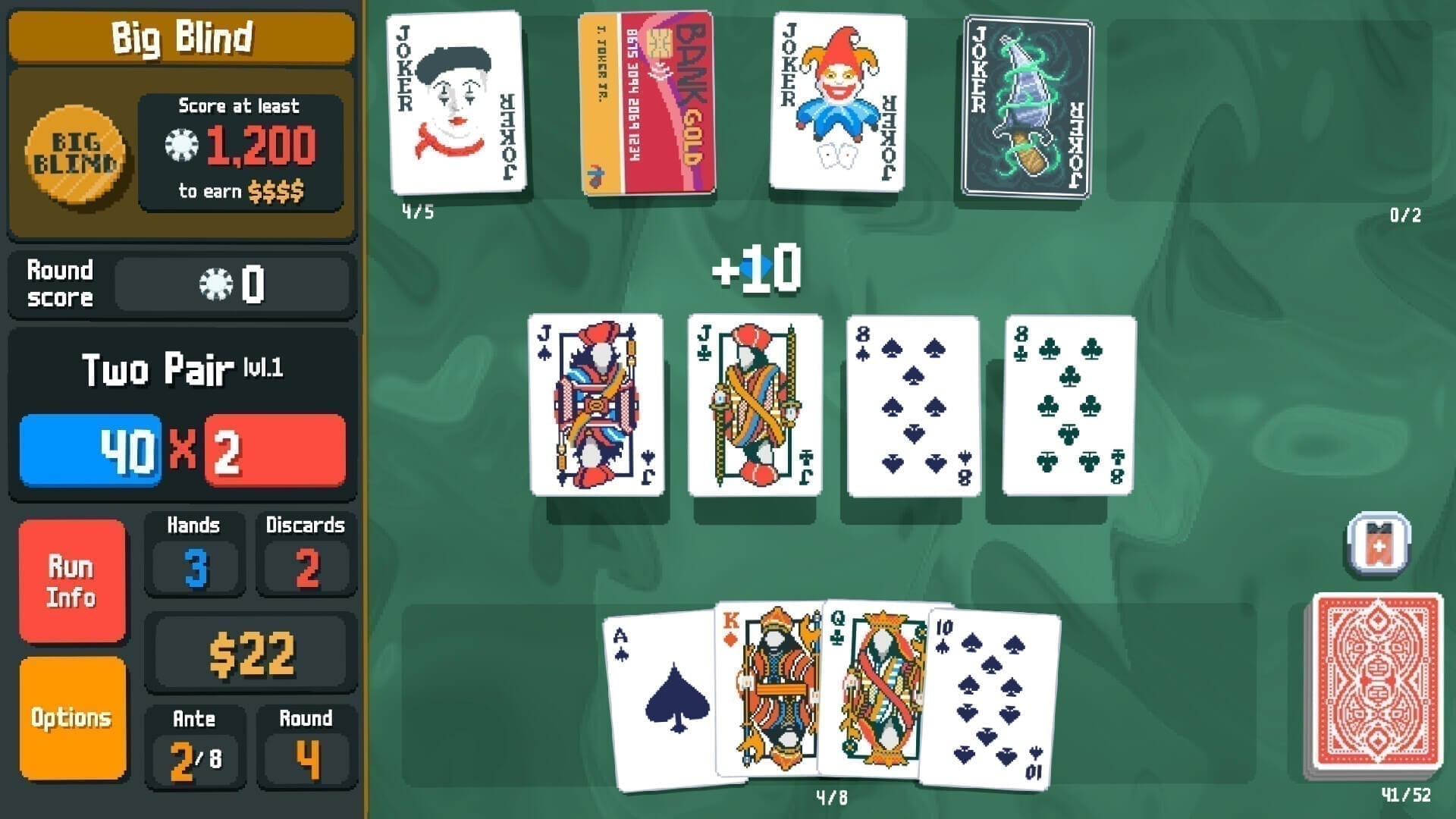
Balatro is brutally efficient. You build poker hands, stack Joker synergies, and see very quickly whether your run is turning into nonsense in the best way possible.
Its biggest strength is momentum. Fights are compact, decisions are immediate, and the game wastes almost no time before your deck starts showing its identity. It is also highly replayable because small changes in Jokers, vouchers, and hand scaling can bend a run in totally different directions.
The caveat is that it is less of a traditional card battler than some others here. If you want enemy-specific combat puzzles, status trading, or map-based tactical pressure, Balatro is lighter on that front. It is more about engine construction under pressure than duel-like combat texture.
Monster Train
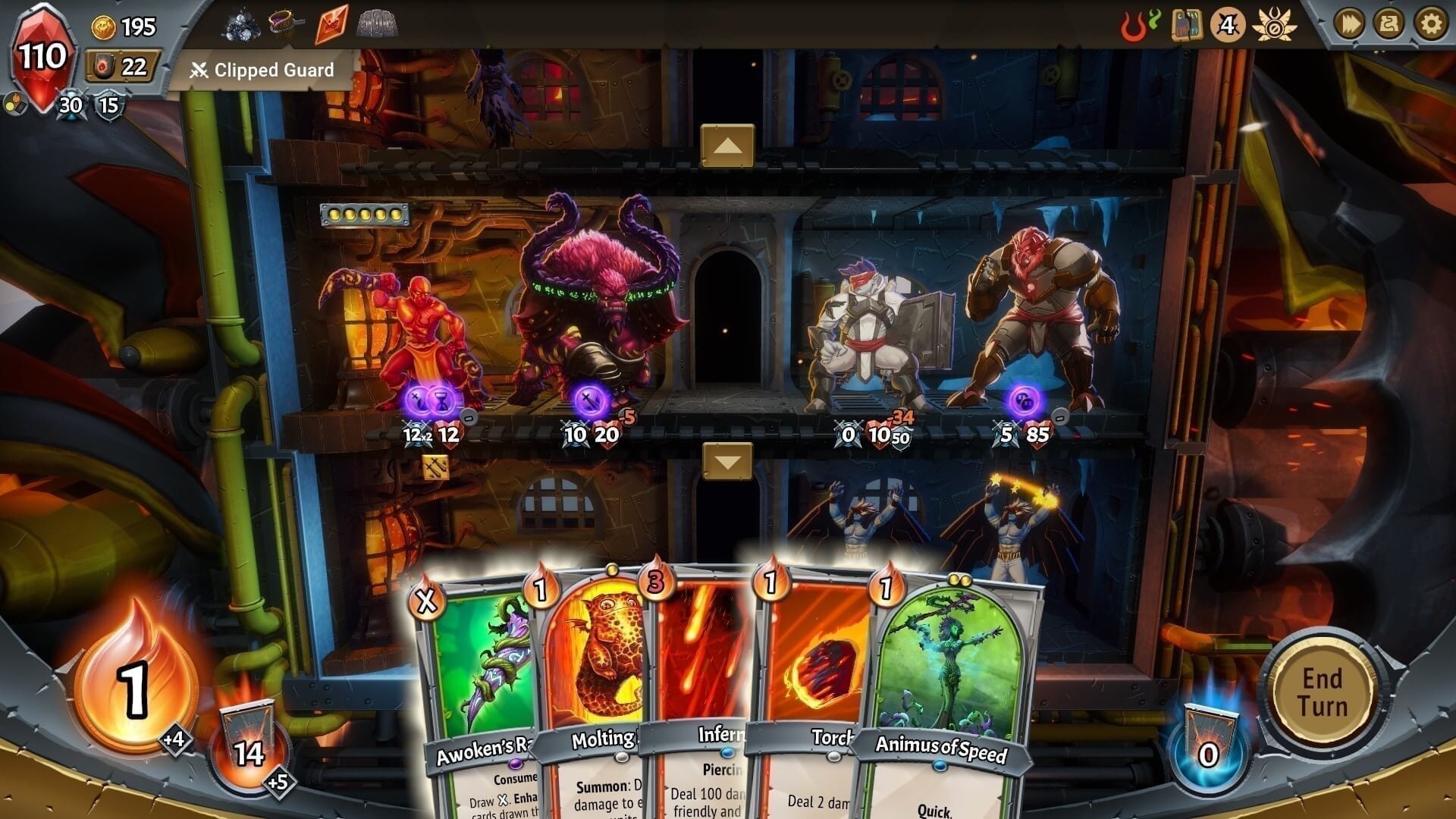
Monster Train is still one of the best answers to “I want runs that move fast without feeling thin.” The multi-floor battles create real tactical tension, but the flow is snappy enough that a run rarely drags.
Its concrete strength is density. Unit placement, spell timing, floor scaling, and artifact synergy all matter, yet individual battles resolve quickly once your plan is online. That makes it excellent for players who want meaningful decisions packed into a shorter session.
The limitation is readability during messy runs. Once effects start stacking across floors, it can become visually and mentally busy. If you prefer ultra-clean board states or very simple card text, Monster Train can feel overloaded.
Monster Train 2
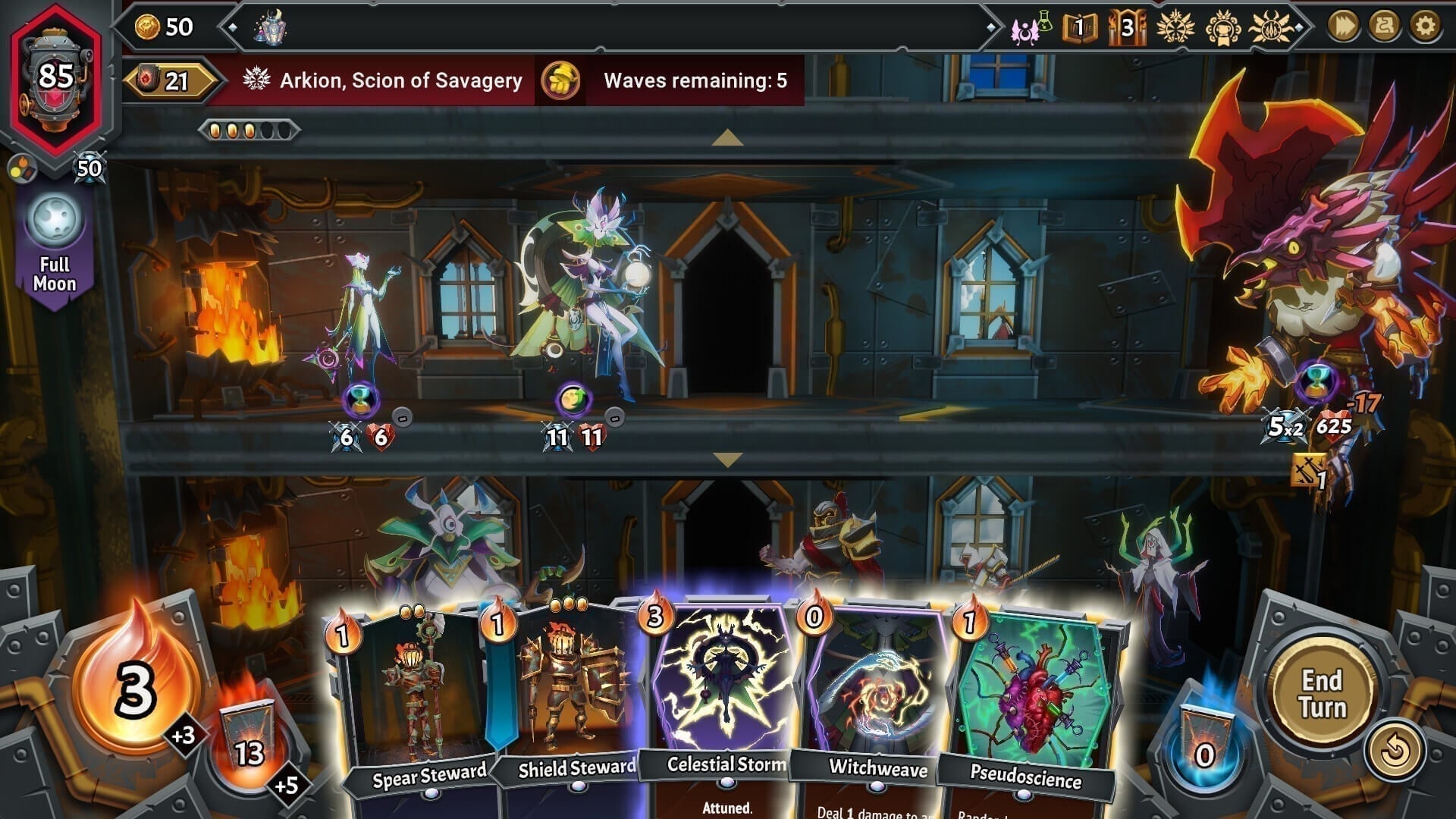
Monster Train 2 keeps the fast, layered structure that made the first game so easy to revisit. If you liked the original but wanted another excuse to obsess over compact runs and high-synergy nonsense, this fits.
The strongest draw is how naturally it supports quick experimentation. You can test a scaling plan, a front-line setup, or a spell-heavy approach without spending ages getting there. That makes failed runs easier to shrug off and restart immediately.
The caveat is familiar territory. If you bounced off the first game’s floor management or stacking triggers, a sequel in the same lane will not magically convert you. This is best for players who already like the Monster Train rhythm and want more of it.
Inscryption
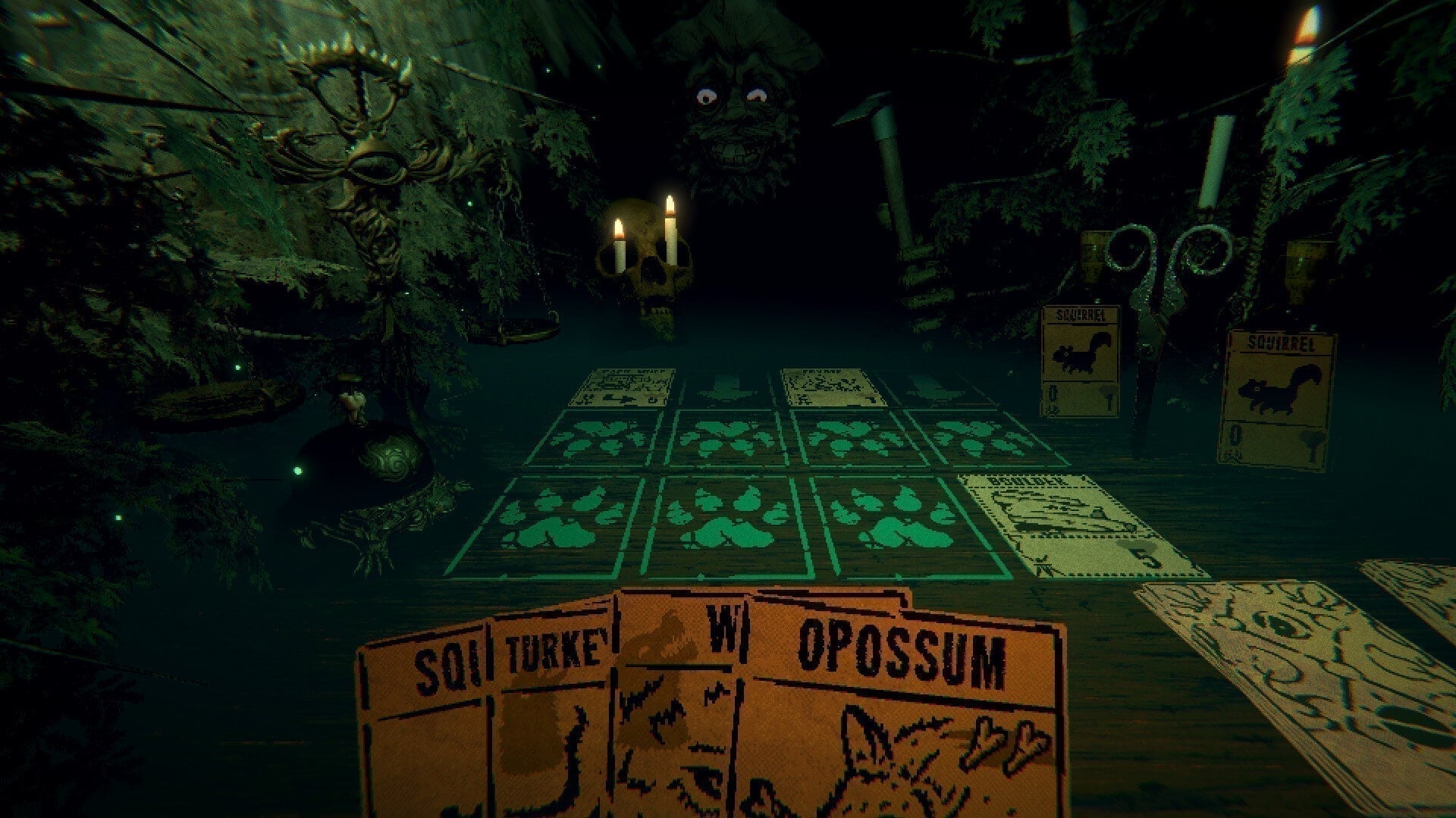
Inscryption earns its place because it understands pace. Battles land quickly, card choices matter fast, and the game creates tension without making every run feel like a spreadsheet.
Its biggest strength is atmosphere fused with mechanics. Sacrifice plays, lane pressure, and totem or sigil interactions can make even short encounters feel dangerous. When it clicks, it feels like a ritual with teeth.
The limitation is that not every player comes to card battlers wanting that framing. Inscryption leans hard into presentation, surprise, and mood. If you want a pure systems-first loop with endless run optimization and minimal narrative texture, other games here are a cleaner fit.
Dicey Dungeons
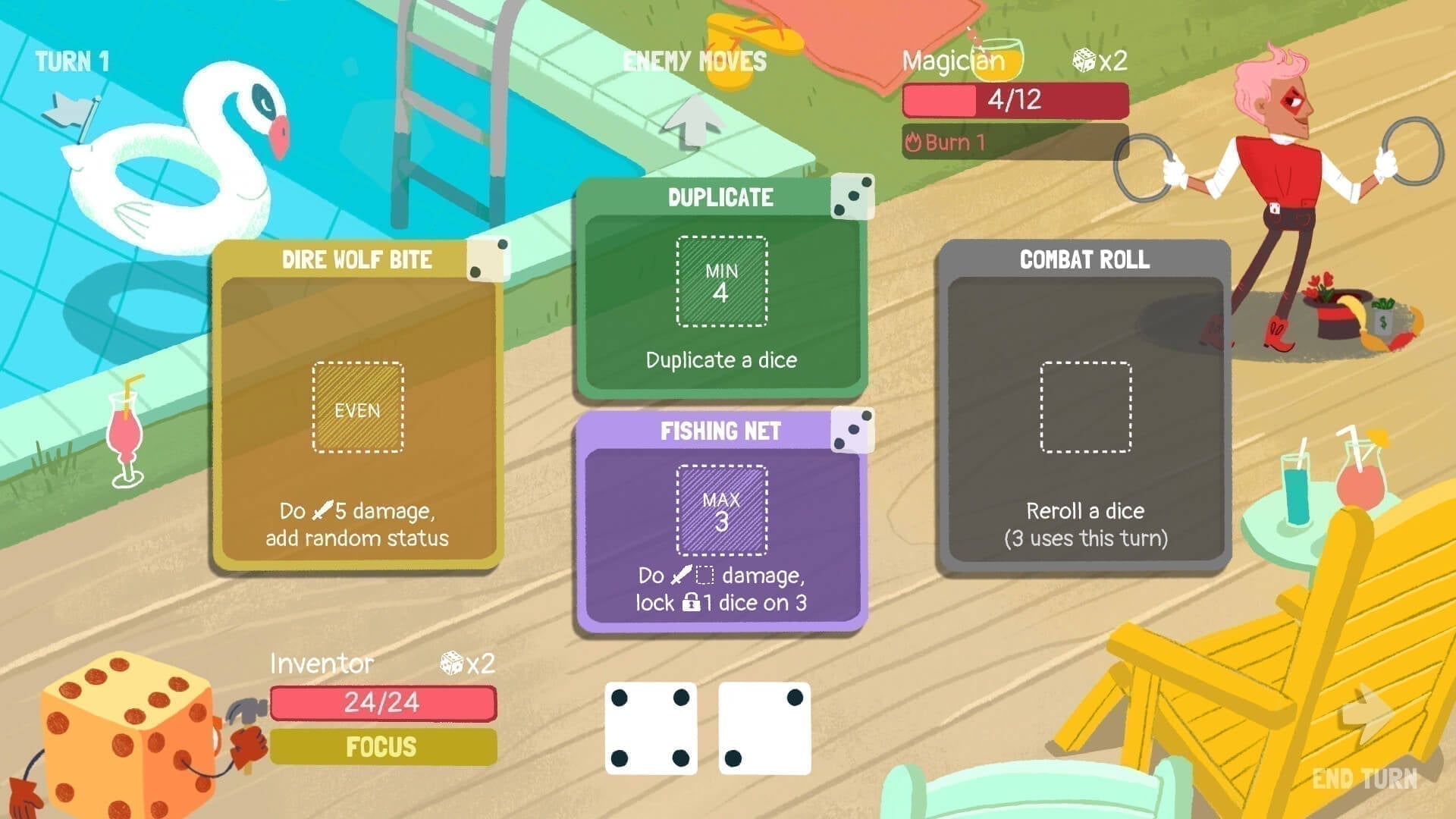
Dicey Dungeons is one of the best fast-run games for players who hate bloat. It teaches itself quickly, turns are easy to parse, and runs often deliver a full arc without demanding a huge time block.
Its concrete strength is clarity. Dice allocation gives every turn a clean tactical shape, and the different characters radically change how you approach equipment and risk. That keeps replays lively without making the game hard to read.
The caveat is ceiling depth compared with the heaviest hitters in the genre. It has plenty of smart variation, but if you want deep long-term deck sculpting or wildly tangled combo engines, it can feel lighter than Balatro or Monster Train.
Griftlands
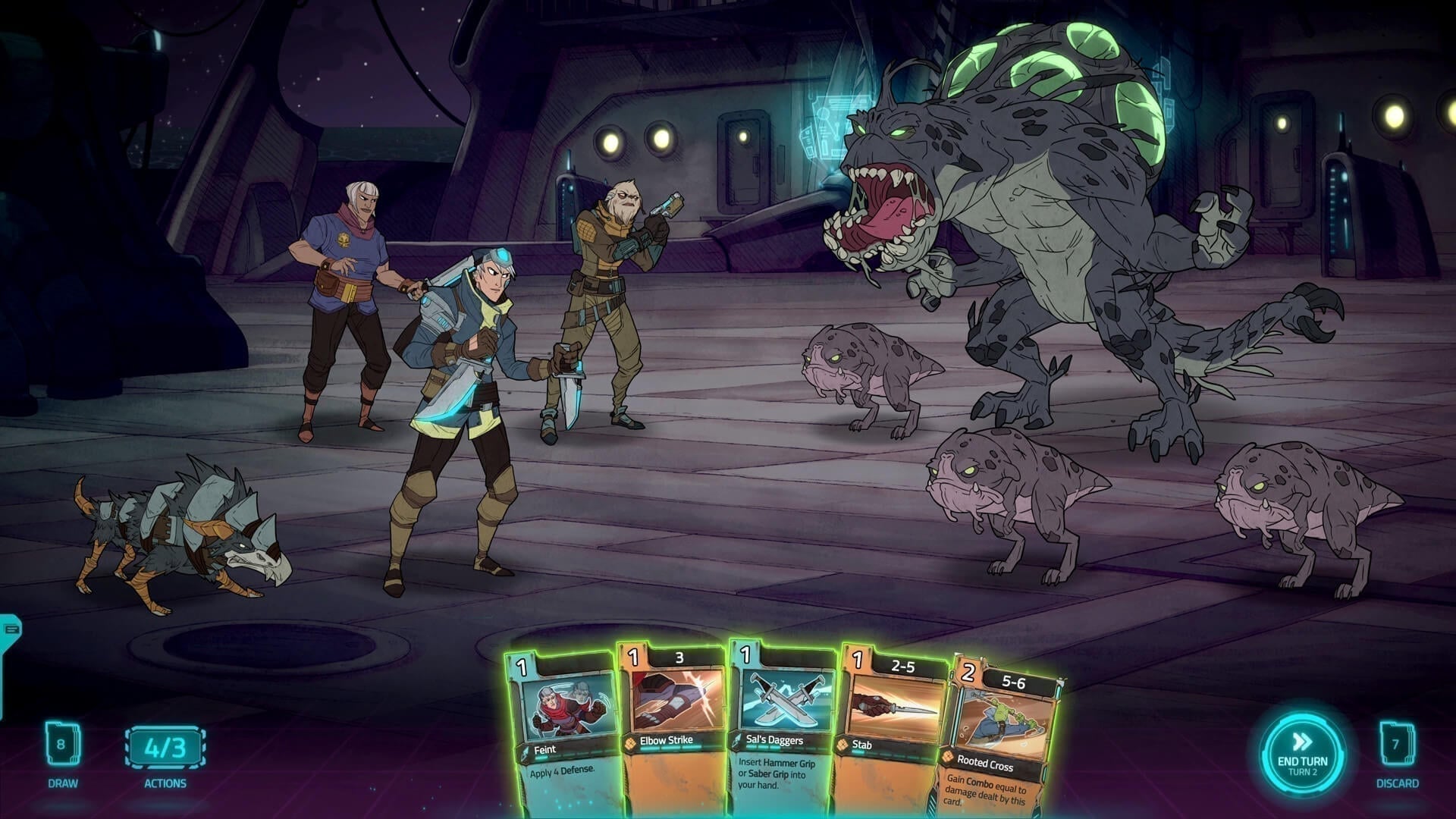
Griftlands is the slowest fit on this list in pure feel, but it still belongs because its individual battles and negotiation encounters move with purpose, and its runs rarely feel empty. It gives you card battling with more context and more consequence.
Its biggest strength is the split between combat and negotiation decks. That dual structure creates fast tactical variety, and choices around drafting, relationships, and route planning can shape a run in ways that feel more personal than usual.
The limitation is obvious: it has more narrative and connective tissue than the other fastest picks here. If your definition of fast runs means almost no dialogue, no story decisions, and no pauses between fights, Griftlands may feel a step too deliberate.
Astrea: Six-Sided Oracles
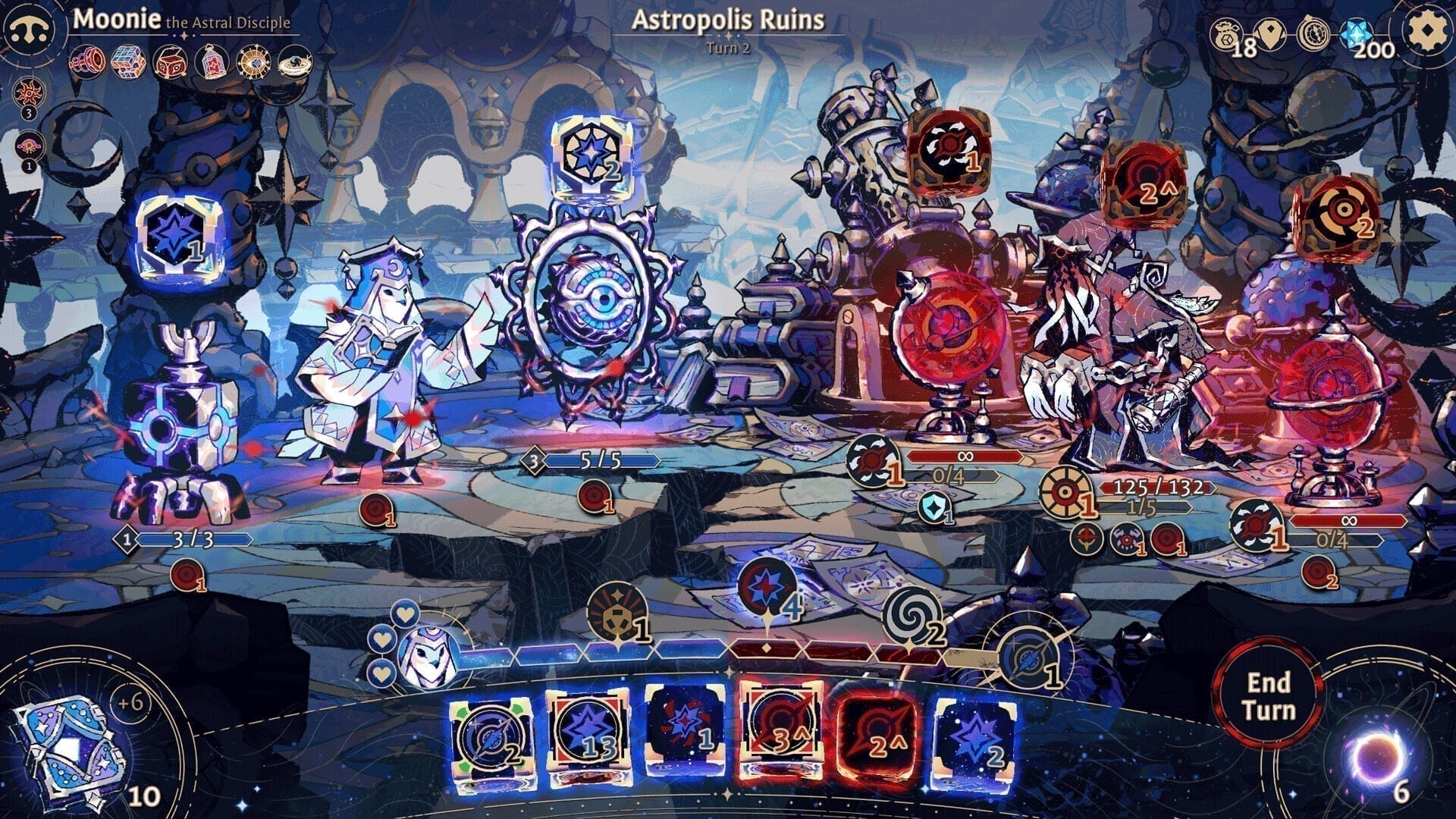
Astrea: Six-Sided Oracles is for players bored with standard deckbuilder muscle memory. It replaces cards with dice and builds tension around purification, corruption, and flexible target choices in a system that still resolves quickly once you understand it.
Its strongest point is mechanical freshness without losing run speed. Turns can stay brisk, but the decisions feel different from the usual attack, block, poison loop. The cleanse-versus-corrupt dynamic gives even short fights a neat edge.
The caveat is onboarding. Astrea is not hard to love, but it asks you to learn its logic before the speed really shows itself. If you want immediate familiarity on run one, Dicey Dungeons or Monster Train gets there faster.
Knights in Tight Spaces
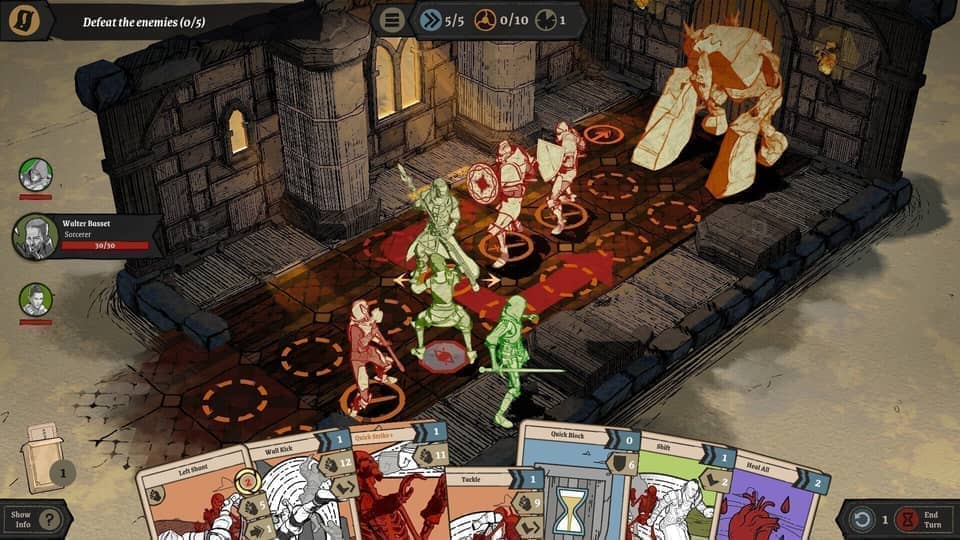
Knights in Tight Spaces stands out because it brings board control into the fast-run card battler formula. You are not just managing hand value. You are pushing, lining up, and surviving in cramped arenas where one good turn can flip the whole fight.
Its biggest strength is positional tactics. Short encounters stay rich because movement, facing, hazards, and unit spacing all matter. That gives it a punchy “solve the room” feeling that many deck-focused games do not have.
The caveat is that this positional layer can punish sloppy sequencing more than some players want from a quick session. If you prefer pure deck flow over board-state puzzle solving, this one may feel a bit more exacting than relaxing.
Phantom Rose 2 Sapphire
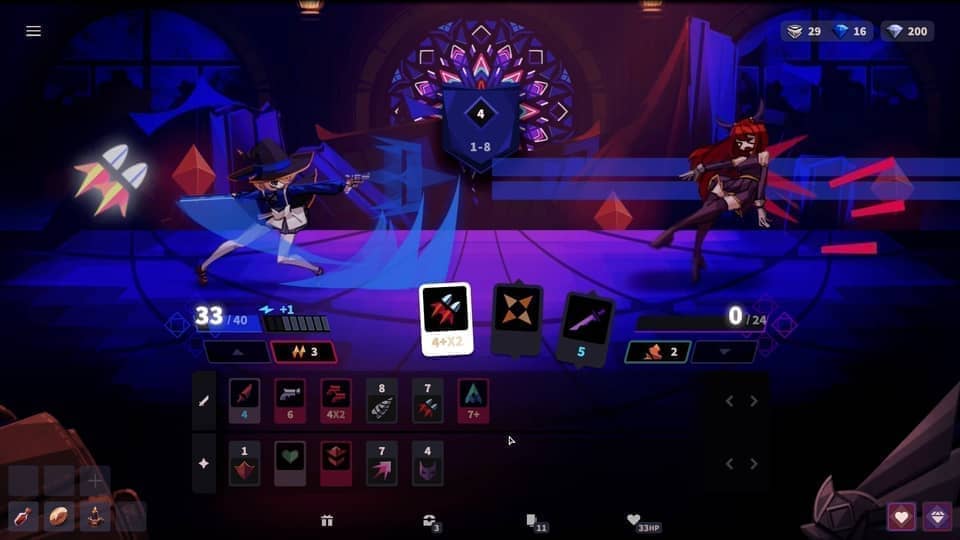
Phantom Rose 2 Sapphire is lean, stylish, and direct. It strips away some of the genre’s usual clutter and gives you quick combat decisions with a calm but dangerous rhythm.
Its concrete strength is controlled deck management. The combat system rewards measured card use and planning without burying you in excessive effects. That makes it a strong pick for players who want fast runs that still feel deliberate.
The limitation is spectacle. It is not trying to bury you in giant combo fireworks every few minutes. If you want explosive scaling and chaotic run-breaking synergies, Balatro or Blood Card will hit harder.
Blood Card
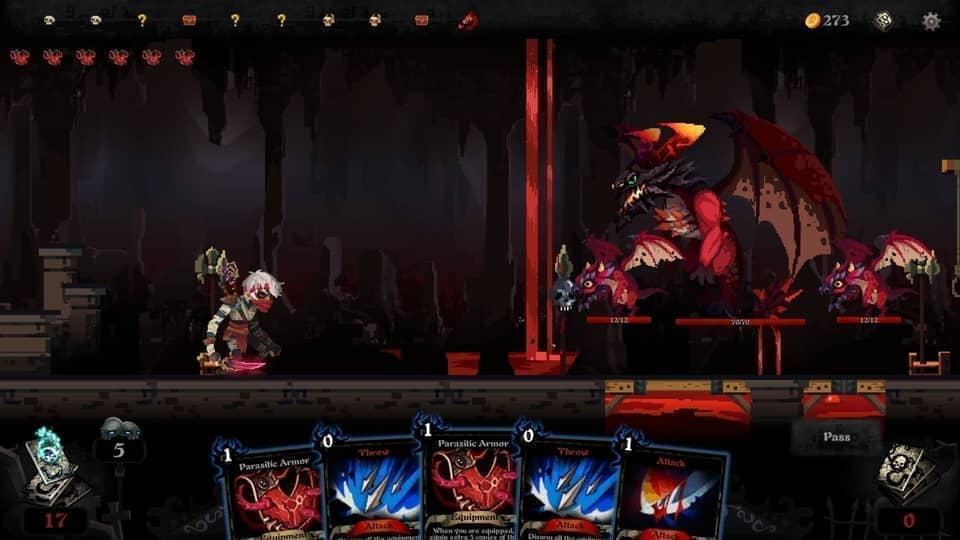
Blood Card is one of the more unusual picks here because your deck effectively doubles as your life pool. That single rule makes runs feel sharp right away. Every draw and every greedy play carries extra danger.
Its biggest strength is pressure. The deck-health system creates immediate stakes, and that keeps turns brisk and meaningful. It also supports some nasty, satisfying builds once you understand how to spend life safely.
The caveat is roughness in feel compared with more polished genre leaders. It has smart ideas, but it can come off as less refined and less inviting at first glance. If presentation matters a lot to you, you may need to meet it halfway.
Who should play this
- Players who want runs that fit into shorter sessions without losing build variety.
- Deckbuilder fans who are tired of slow starts and long stretches of low-impact fights.
- Tactics players who like quick feedback on whether a build is working.
- People who replay games often and enjoy testing a new angle every run.
- Anyone choosing between pure engine-building, positional combat, or hybrid systems like dice and negotiation.
Common mistakes
- Picking by speed alone. Fast does not mean the same thing in every game. Fix: choose between pure tempo, tactical board play, or narrative-heavy runs first.
- Ignoring onboarding friction. Some games click instantly, others need a few runs. Fix: start with Balatro or Dicey Dungeons if you want immediate readability.
- Assuming sequels replace originals. More systems is not always better for every player. Fix: stick with Monster Train if you want the cleaner baseline, and move to Monster Train 2 if you already like the formula.
- Chasing flashy synergies too early. Fast-run games still punish weak fundamentals. Fix: learn your resource economy before forcing greedy combos.
- Buying for genre label instead of combat feel. “Card battler” covers very different things here. Fix: pick based on what you want each turn to feel like—engine building, lane defense, positioning, or deck-as-health pressure.
FAQ
Which game here has the shortest-feeling runs?
Balatro and Dicey Dungeons usually feel the quickest to get rolling. They reach meaningful decisions fast and have very little drag between those decisions.
What is the best pick if I want deep tactics, not just combo building?
Monster Train, Monster Train 2, and Knights in Tight Spaces are the strongest fits. They ask more from positioning, sequencing, and fight planning than games that lean mostly on scaling an engine.
Which one is best for players new to card battlers?
Dicey Dungeons is the easiest recommendation. Its systems are readable, its turns are clean, and it teaches core ideas without much friction.
Which game is the most different from standard deckbuilders?
Astrea: Six-Sided Oracles stands out the most because of its dice-based system and purification mechanics. Blood Card is also unusual thanks to the deck-as-health rule.
Should I pick Inscryption for pure replayability?
Pick Inscryption if you want strong mood and memorable encounters along with the card battles. If your main goal is endless run experimentation and clean systems-first replay loops, Balatro or Monster Train are stronger fits.
Takeaway
If you want card battlers that move fast and still make your choices matter, this list covers the main lanes: Balatro for pure momentum, Monster Train and Monster Train 2 for compact tactical depth, Dicey Dungeons for clean accessibility, and the rest for sharper twists on the formula. Pick the kind of pressure you want, then start a run.