Games Like Inscryption with Creepy Atmospheres
Card battlers that mix deckbuilding with dark themes, mystery, and a heavy dose of narrative dread.
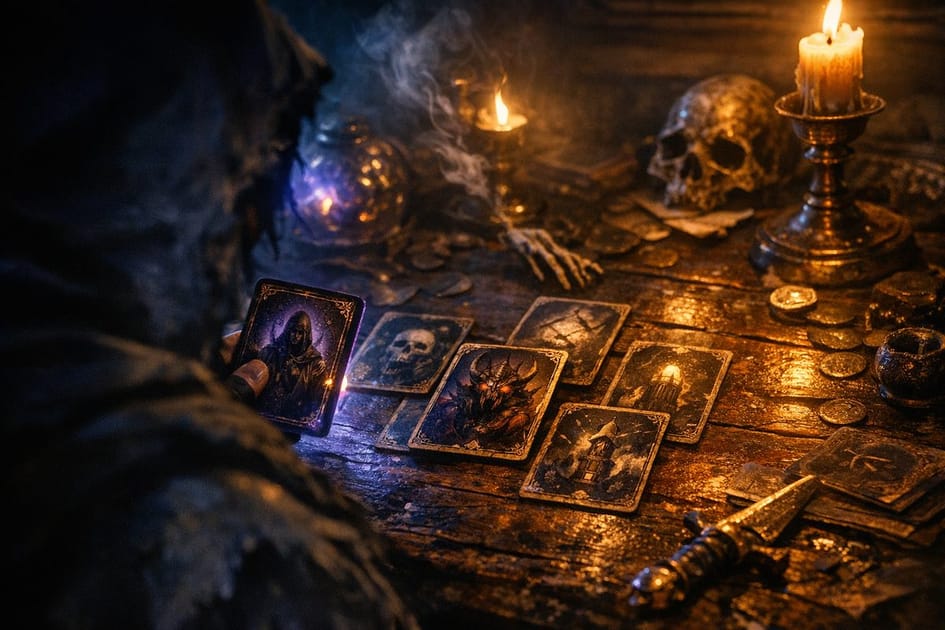
You want more games like Inscryption because the card play alone was never the whole point. The real hook was the cabin dread, the sense that the rules were hiding something, and that nasty feeling of playing against a hostile game master.
These seven picks stay close to that mood-first appeal. We’re focusing on dark deckbuilders and card-driven games where atmosphere matters as much as the mechanics, with clear notes on who each one fits, where the mystery lands, and where the similarities to Inscryption start to thin out.
Quick take
- Tainted Grail: Conquest is the strongest overall fit if you want oppressive dark-fantasy mood wrapped around familiar deckbuilding runs.
- Black Book is the best pick for players who want story, folklore, and ritual weight more than tight roguelike structure.
- Cultist Simulator goes hardest on mystery and unease, but it’s much more opaque and less immediately readable than Inscryption.
- Blood Card keeps things lean and nasty; its health-as-deck system makes every draw feel risky in a very Inscryption-adjacent way.
- The Killing Stone is the most direct horror recommendation here, especially if you want occult narrative dread and branching story.
The picks
Tainted Grail: Conquest
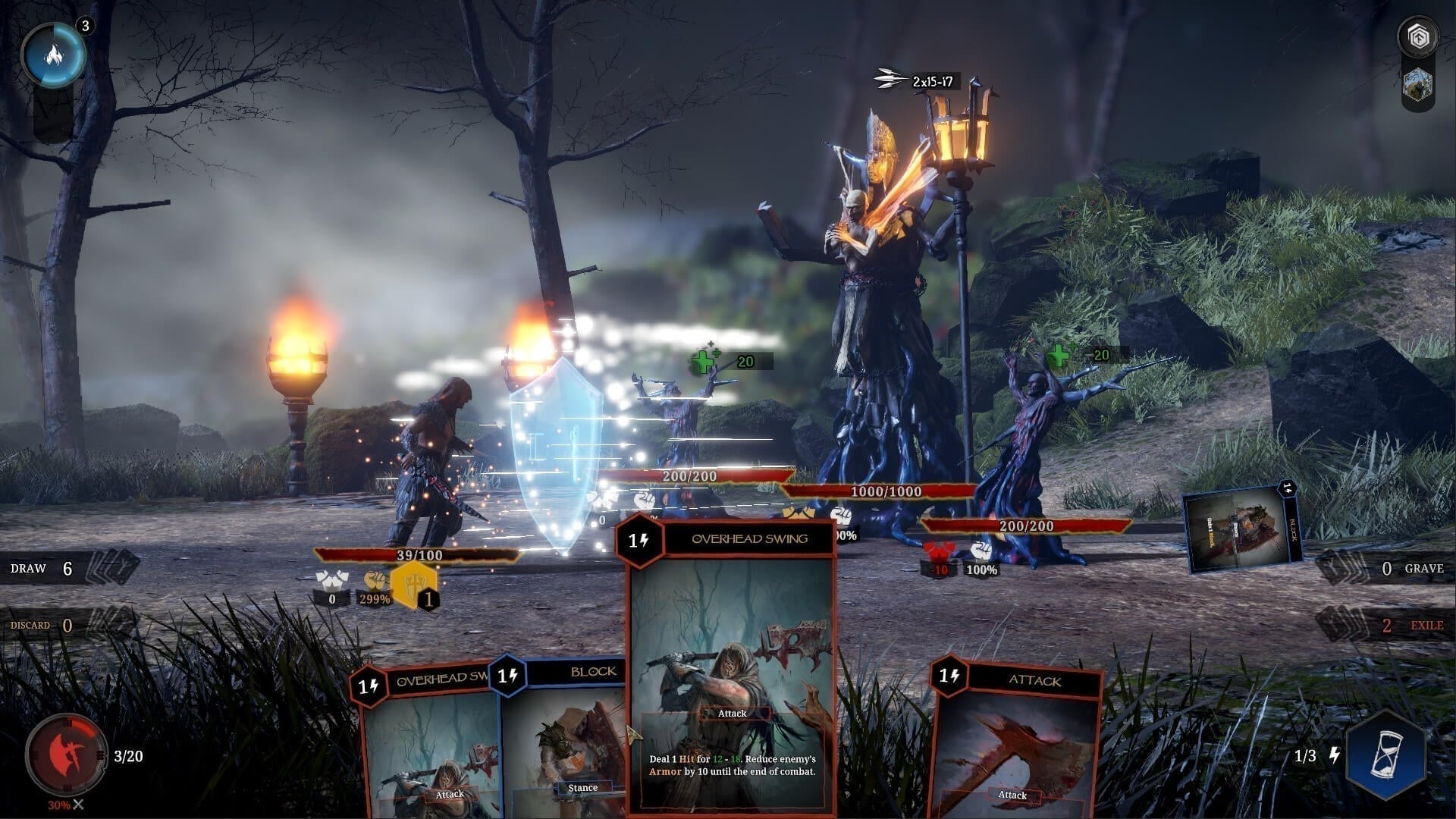
This is the clearest first recommendation because it understands that mood is part of the game loop, not just decoration. The world is bleak, the runs feel hostile, and the slow push through cursed dark-fantasy spaces carries the same kind of pressure that made Inscryption’s cabin work. It also helps that the card combat is readable enough to stay engaging while the atmosphere does heavy lifting in the background.
What makes it fit is the blend of deckbuilding and long-form unease. You’re not just solving fights; you’re moving through a world that feels rotten and indifferent to your success. For players who liked Inscryption because every victory still felt slightly wrong, this lands well.
The tradeoff is pacing. Tainted Grail: Conquest has a heavier RPG frame and a broader structure, so it’s less sharp and immediate than Inscryption. Runs take longer to fully bloom, and the mystery is more world-driven than twisty and meta.
Blood Card
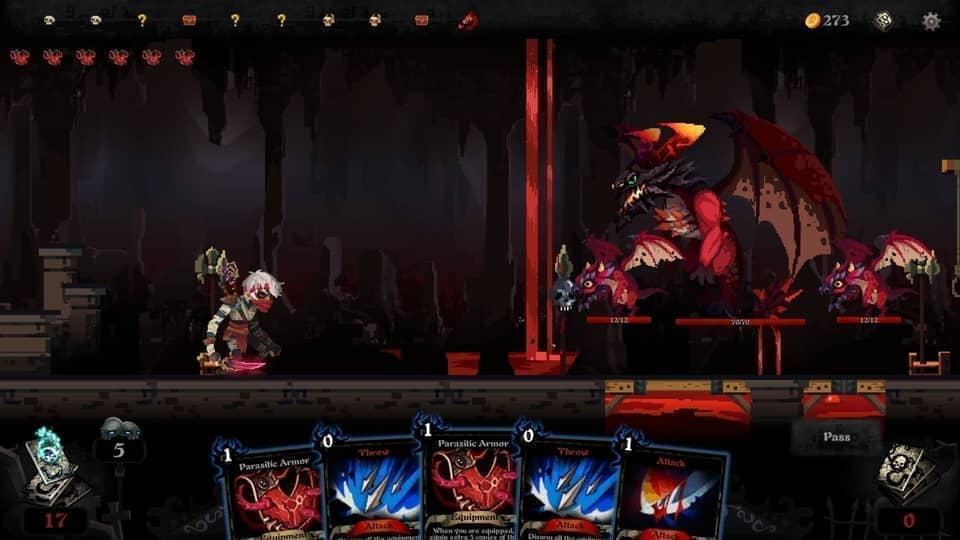
Blood Card is much simpler on the surface, but it nails one important part of the Inscryption itch: making basic card decisions feel dangerous. Your deck size and your health are tied together, so every draw carries tension. That alone gives the game a grim edge that many dark deckbuilders never quite reach.
It’s a strong fit for players who liked sacrifice mechanics and heavy-feeling choices. Not because it copies Inscryption directly, but because it gives each play a real cost. When survival and hand quality are linked, routine deckbuilder habits stop being routine.
What you lose is narrative texture. This is not the pick for elaborate story reveals or layered meta-progression tied to unravelling a dark story. It’s lean, mechanical, and mood-forward rather than narrative-rich. That makes it easy to recommend, but only if the tension of the card system matters more to you than plot.
Phantom Rose 2 Sapphire
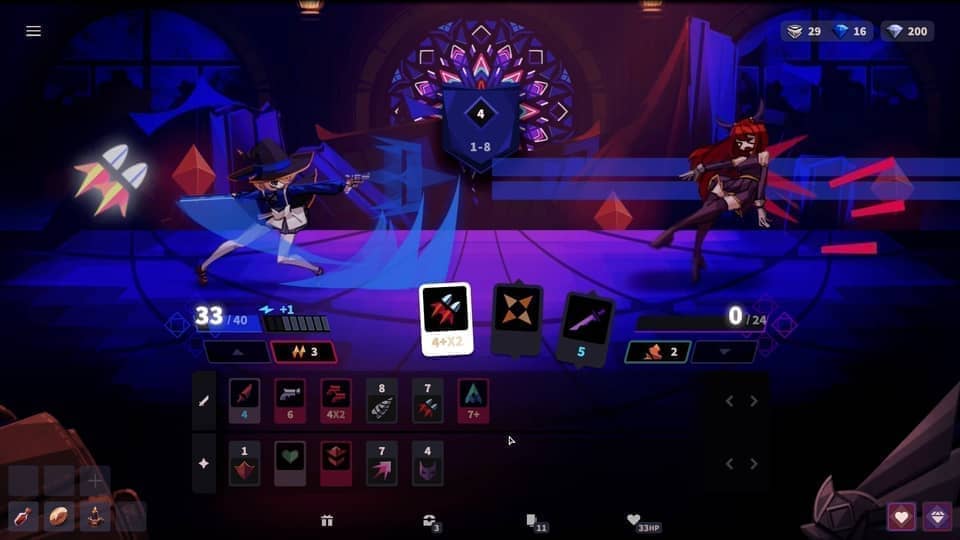
This one looks lighter than it feels. Phantom Rose 2 Sapphire has moody presentation, brisk fights, and enough edge in its combat design to avoid feeling soft or decorative. For players chasing creepy card games that get to the point quickly, that speed matters.
The main reason it belongs here is pace. Inscryption worked because runs become interesting fast, and Phantom Rose 2 Sapphire understands that too. You start making meaningful card choices early, and the atmosphere supports the action instead of slowing it down. Newer deckbuilder players also tend to find it easier to read than some darker, more obtuse alternatives.
Still, the vibe is different. This is less oppressive cabin horror and more stylish haunted melancholy. If your favorite part of Inscryption was the feeling that the whole game was trapping you in a nasty secret, this won’t hit as hard on that front. It’s one of the cleaner recommendations here, but not one of the cruelest.
Griftlands
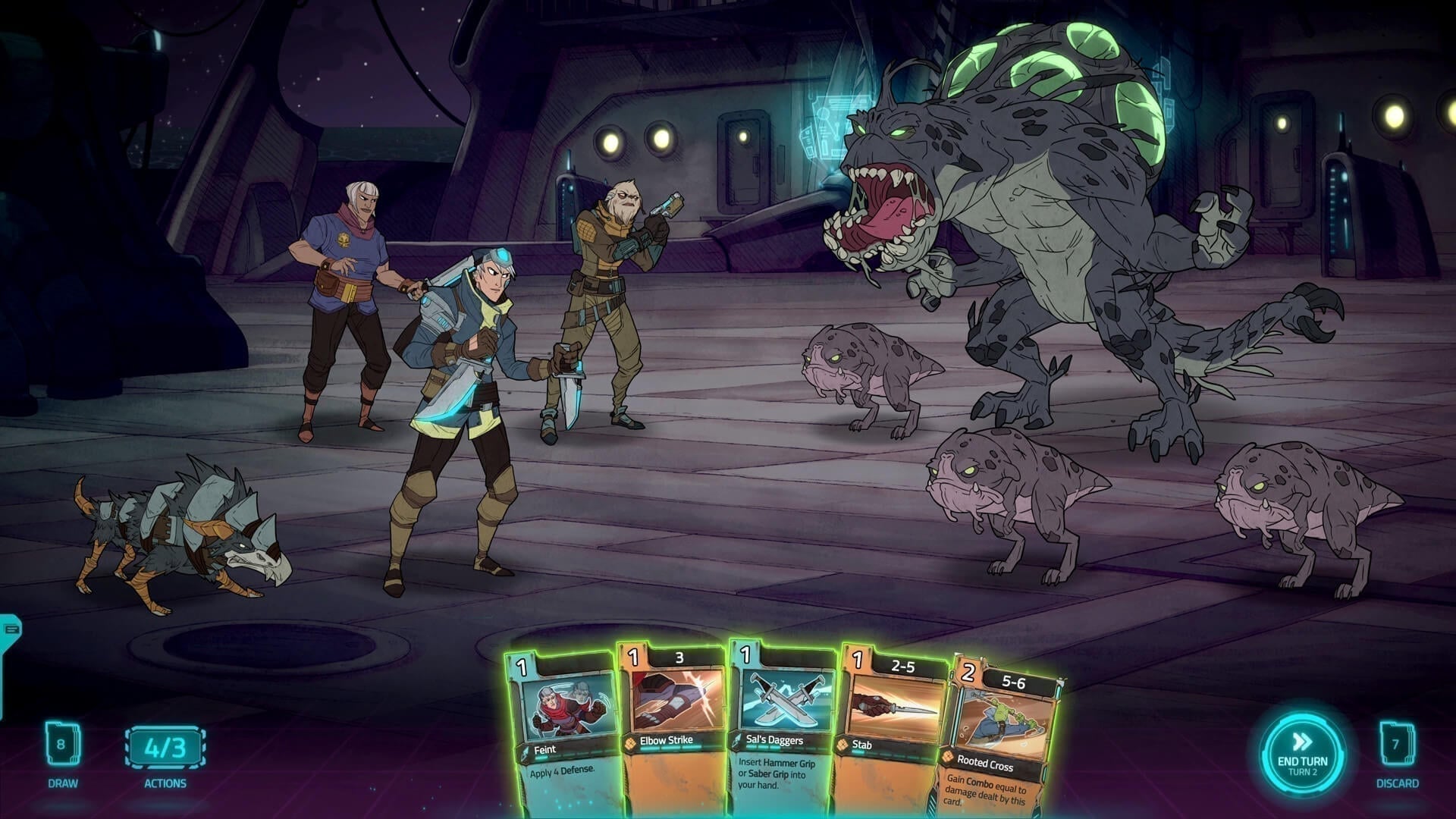
Griftlands is here for players who loved Inscryption’s sense that every encounter had character behind it. Its biggest strength is how narrative choices and deckbuilding stay connected. Separate combat and negotiation decks give it more personality than a standard run-based card battler, and the world has enough tension and consequence to keep decisions feeling loaded.
The fit is strongest if you want story-rich momentum rather than pure horror. Characters matter, branching choices matter, and your run picks up shape through relationships as much as through cards. That player-facing texture is rare, and it helps the game avoid the generic “battle, reward, battle” rhythm that makes a lot of deckbuilders blur together.
It’s also one step further from Inscryption’s dread. Griftlands has strong atmosphere, but not the same intimate menace. The mystery is lighter, the systems are broader, and the tone is more adventurous than sinister. Good choice if you want narrative density; weaker choice if you specifically want to feel unsafe.
Black Book
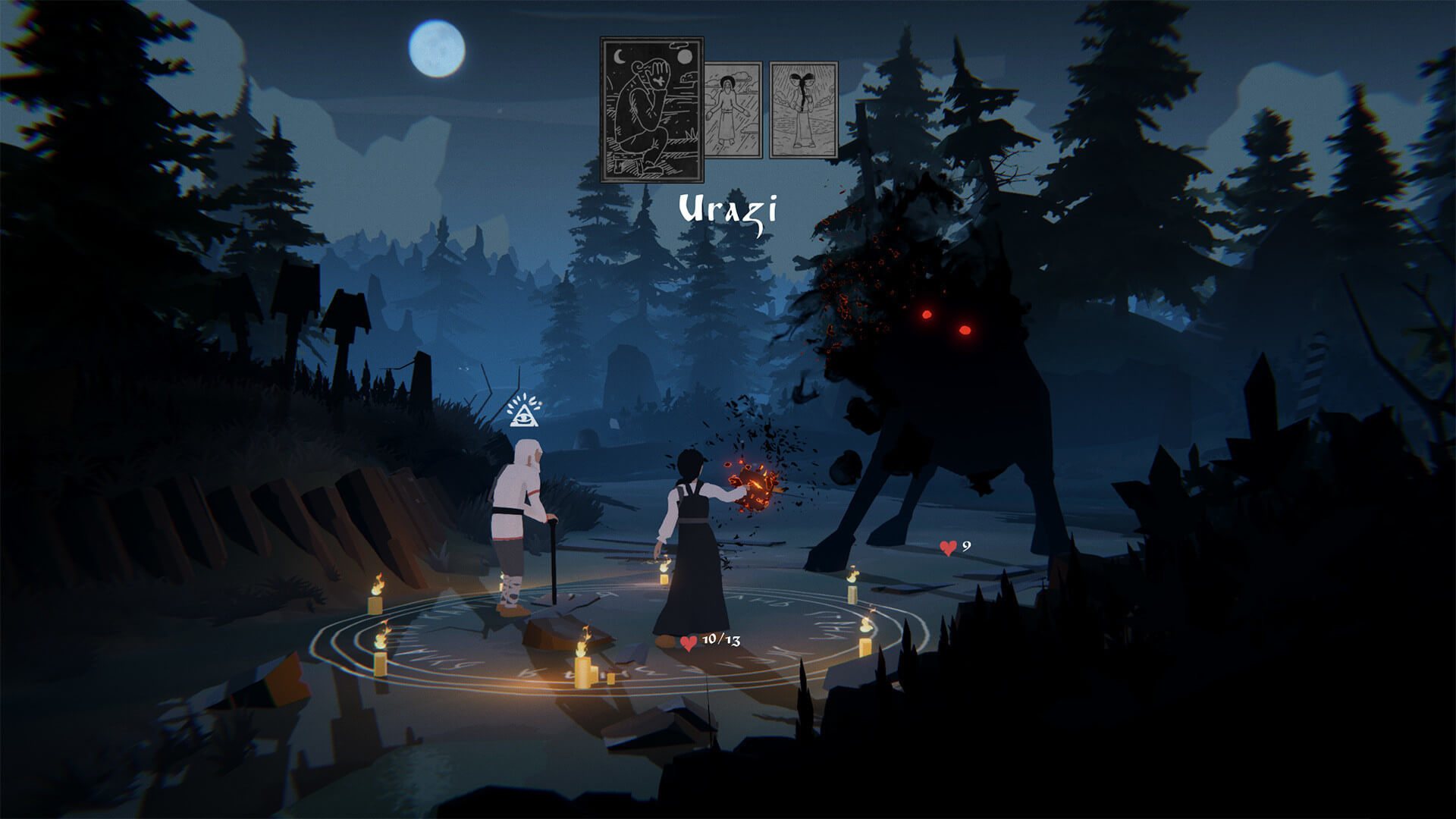
This is one of the best picks in the whole list if your favorite part of Inscryption was the occult storytelling. Black Book leans into dark folklore, demons, rituals, and a world where every supernatural bargain feels costly. That sense of spiritual weight does a lot of work. Few games in this lane make card play feel this tied to place, belief, and consequence.
It also gets at something Inscryption fans often want more of: systems that feel like part of the fiction. Binding demons and pursuing the seven seals gives the progression a strong narrative spine, and the atmosphere never feels pasted on. The setting is specific, and that specificity helps.
The friction is that it’s more RPG adventure than pure deckbuilder run machine. If you want the tight loop of fast resets, escalating synergies, and compact roguelike experimentation, Black Book is less efficient. But as a mood piece with card combat, it’s one of the smartest recommendations here.
Cultist Simulator
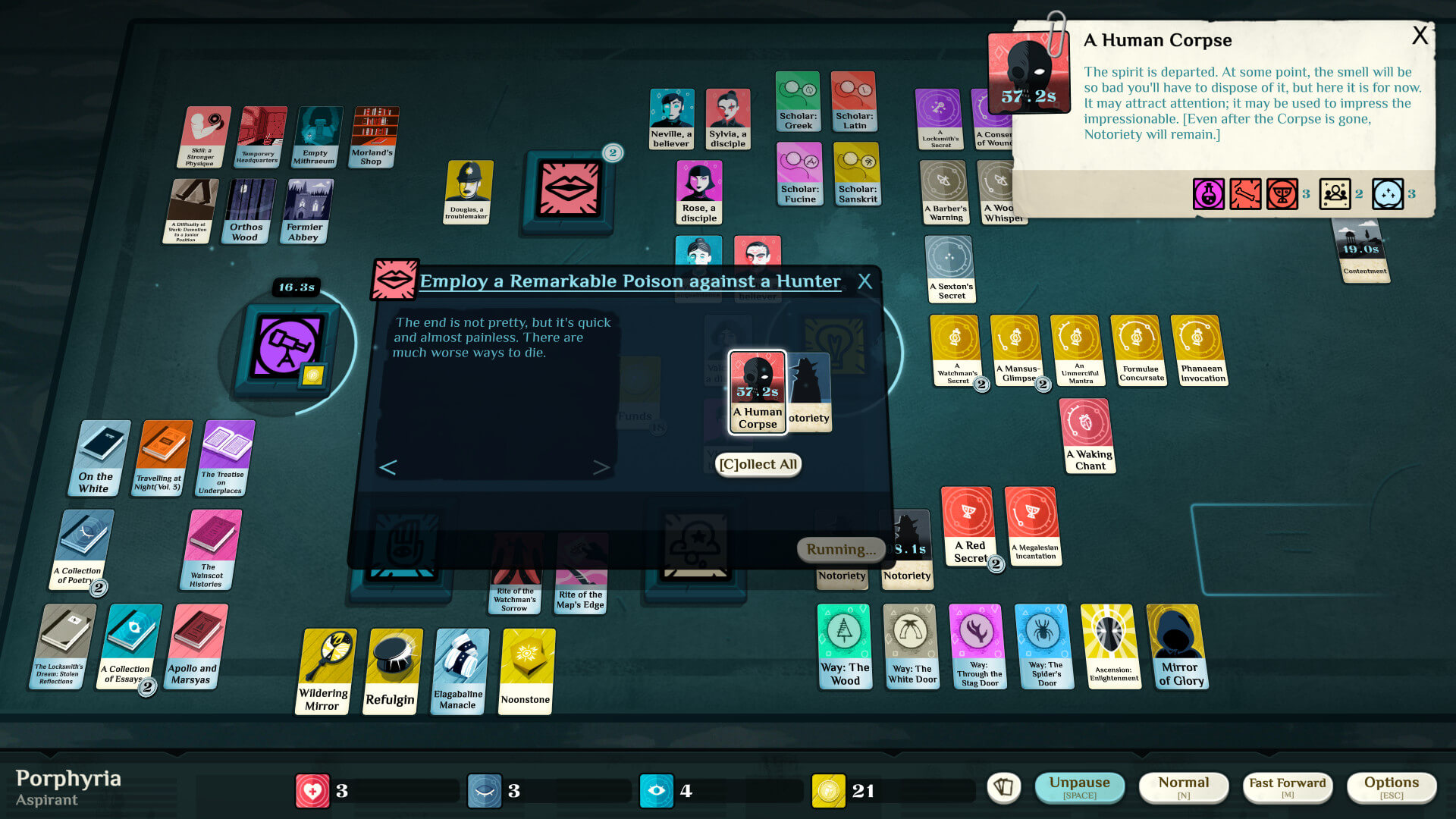
For pure mystery and narrative dread, this is the most uncompromising game on the list. Cultist Simulator turns cards into a system of paranoia, discovery, and steadily mounting disaster. You’re combining cards under pressure, chasing forbidden knowledge, and trying to stay ahead of clocks that always feel one step from collapse. It absolutely captures that sensation that the game knows more than you do.
This is also the closest match for players who want atmosphere first and mechanical comfort second. The Lovecraft-tinged occult framing is thick, and the meta-progression of learning the game’s logic is tied directly to uncovering its dark story. When it clicks, it creates the same kind of obsessive “one more try, I almost understand it now” loop that Inscryption used so well.
The problem is readability. Inscryption was strange, but it was rarely this opaque. Cultist Simulator can be punishing in a way that feels more academic than dramatic at first, and some players bounce off before the dread turns into fascination. We still rate it highly here because the vibe match is undeniable, but it is a harder recommendation than the games above it.
The Killing Stone
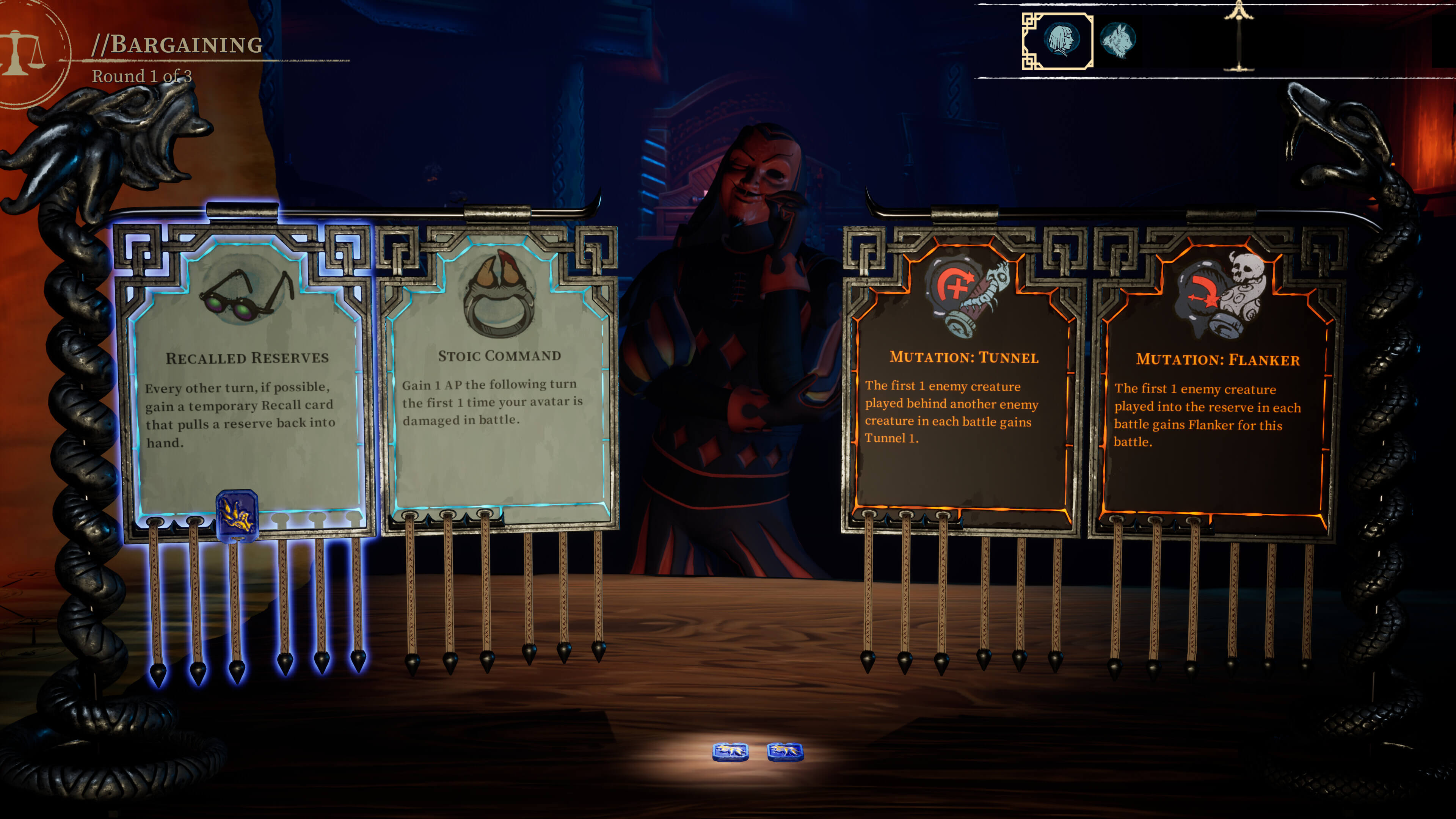
If you want the most literal horror follow-up, start here. The Killing Stone pushes into first-person occult horror, demon bargains, cursed family drama, and ritual stakes. That framing gets it closer than most card battlers to the feeling of sitting across from something malicious and trying to play by rules you don’t fully trust.
The fit comes from how directly it treats the card game as part of a larger nightmare. Branching story, deck combat, and demonic negotiation all feed the same tone. For fans of Inscryption’s staged unease and its “this game is watching me” energy, that’s a real selling point.
It’s lower in the list because it’s more specialized and less proven as a broad recommendation. Being in Early Access matters here. Systems may feel rougher, and players looking for polished deckbuilding balance might prefer the safer picks above. But for atmosphere hunters, it’s one of the most on-target choices in the group.
Who should play this
- Players who cared more about Inscryption’s dread, mystery, and narrative turns than about copying its exact mechanics
- Deckbuilder fans who want atmosphere to matter in every run, not just sit in the background
- Anyone chasing creepy card games with occult themes, sacrifice pressure, or story-driven progression
- Players who like card systems that feel hostile, unstable, or slightly cursed
- People willing to accept rougher edges if the mood and mystery are strong enough
Common mistakes
-
Picking only by genre label.
Fix: prioritize games with strong narrative tension or oppressive mood, not just “it has cards and roguelike runs.” -
Expecting every recommendation to mimic the cabin structure.
Fix: look for the same emotional payoff instead—dread, secrecy, ritual weight, and uneasy progression. -
Starting with the most opaque option when you mainly want atmosphere.
Fix: begin with Tainted Grail: Conquest or Black Book before jumping to Cultist Simulator. -
Assuming darker art automatically means darker play.
Fix: check how the mechanics create pressure. In this list, Blood Card and The Killing Stone do that especially well. -
Overvaluing pure deckbuilding depth over tone.
Fix: for this specific Inscryption itch, atmosphere is not extra flavor. It’s half the recommendation.
FAQ
What game here feels most like Inscryption overall?
Tainted Grail: Conquest is the strongest overall fit. It doesn’t copy Inscryption’s structure, but it delivers dark atmosphere, hostile-feeling progression, and card combat that supports the mood instead of distracting from it.
Which pick is best for story and mystery?
Black Book and Cultist Simulator are the best story-first options, but in very different ways. Black Book is more grounded and readable. Cultist Simulator is more cryptic and unsettling.
What should I play if I want sacrifice-style tension?
Blood Card is the best answer in this list. Its health-and-deck link makes every draw feel costly, which scratches some of the same heavy-decision itch that made Inscryption’s sacrifice mechanics so memorable.
Which one is easiest to get into?
Phantom Rose 2 Sapphire is one of the easiest to read and one of the quickest to become interesting. Griftlands also works well if you want stronger character-driven story without immediately wrestling with obscure systems.
Is The Killing Stone worth checking out now?
Yes, if your top priority is occult horror atmosphere and branching narrative. Just go in expecting something more niche and potentially rougher around the edges than the more established picks above.
Takeaway
The best games like Inscryption are not just deckbuilders with dark art. They’re games where the card play, the story, and the atmosphere all push in the same direction. Start with Tainted Grail: Conquest for the safest hit, move to Black Book for folklore-heavy narrative dread, and save Cultist Simulator for when you want the strangest, least forgiving mystery in the stack.