Card Battlers vs Deckbuilders: Where the Line Actually Is
A practical way to separate card battlers, deckbuilders, and the messy middle where many of the best games live.
You want to know what kind of decisions a game is actually asking for before you buy in. That is where the card battler vs deckbuilder split matters: one term usually points to how you fight, the other points to how your deck is built and changed over time.
This guide is for players who already like runs, synergies, and tight turn planning, but keep seeing both labels used on the same games. We are not here to police genre terms. We care about what the distinction means for choosing your next game, especially once hybrids like Slay the Spire, Monster Train, and Balatro muddy the line in useful ways.
The short version: one term describes combat, the other describes progression
A card battler is mostly about the fact that cards are your main combat interface. You attack, defend, set up status effects, manipulate energy, and solve fights by playing cards in the moment.
A deckbuilder is mostly about how your deck changes as part of the game. You add, remove, upgrade, transform, or tune cards over a run, and those changes are a major source of strategy.
That means a lot of games are both. Slay the Spire is the obvious example because the combat is card-driven and the run is defined by how you shape the deck. Calling it only one or the other misses the part that matters.
This is why the labels get messy fast. Many of the best games sit in that middle zone, and that is fine. The useful question is not “what is the pure genre?” It is “am I here for tactical card combat, for deck construction choices, or for both at once?”
When the distinction actually matters for choosing a game
The split matters most when you are trying to predict what you will optimize for.
If a game leans harder into card battler design, your attention goes to turn sequencing, board state, enemy intent, and short-term tactical efficiency. You are solving the current fight first. Your deck still matters, but the moment-to-moment puzzle does more of the work.
If a game leans harder into deckbuilder design, your attention shifts toward curve, consistency, card density, scaling, and long-run synergy. You are often making choices now to enable stronger draws three fights later.
That is the real purchase decision. Run-based vs constructed changes what you optimize for. In run-based deckbuilders, you are improvising around offered rewards, trims, relics, and upgrades. In more constructed-feeling card battlers, or games with heavy pre-run planning, the appeal can be more about expressing a build cleanly once combat starts.
A lot of players use the terms interchangeably because the overlap is huge. That is understandable. Still, if you bounced off one game for feeling too random, too tactical, or too build-heavy, the distinction starts to matter very quickly.
The cleanest examples of the overlap
Slay the Spire
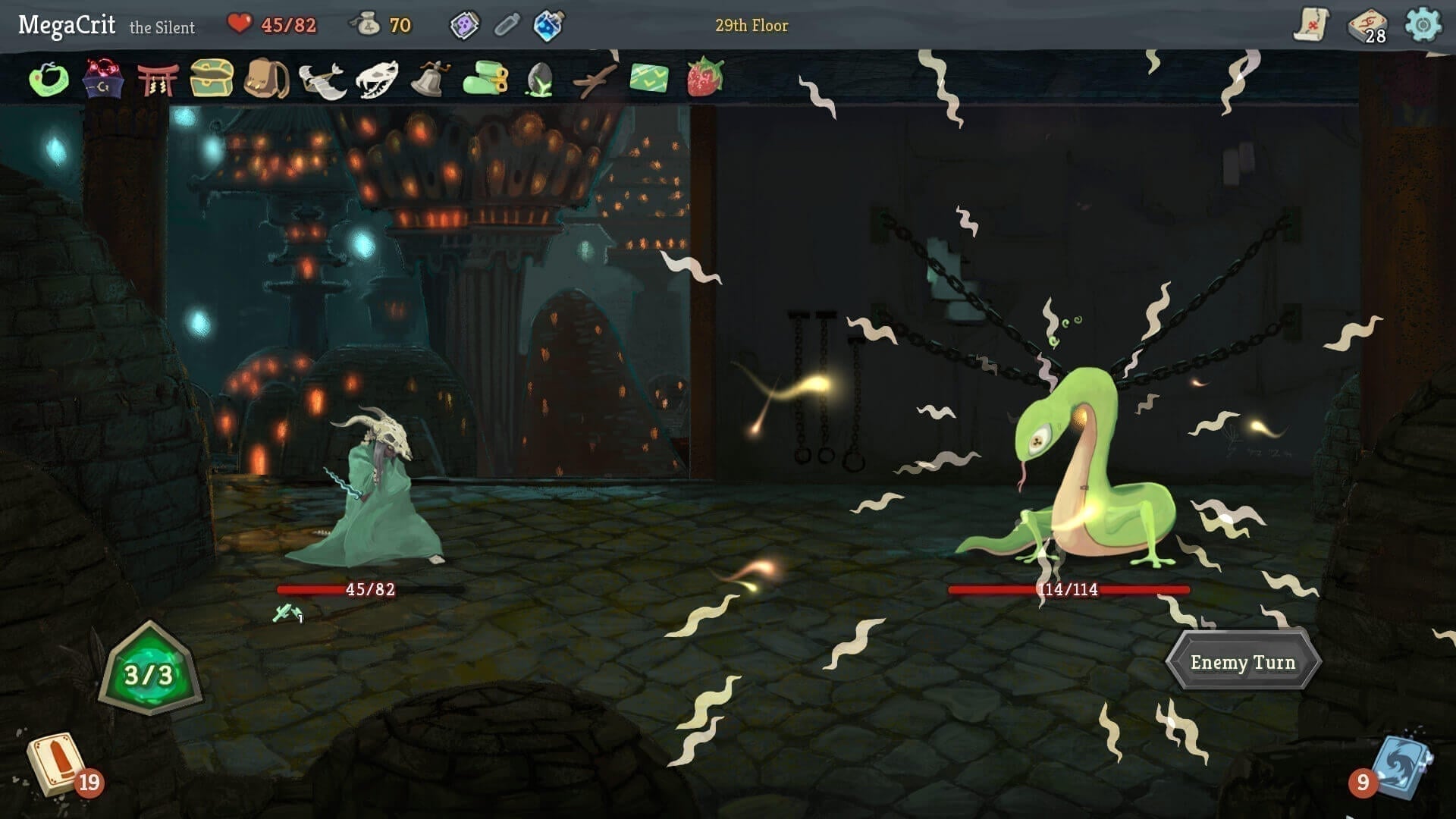
This is still the clearest reference point because it balances both sides better than most. Fights are readable, turns are tight, and deck shaping is constant. Remove a Strike, add one scaling piece, upgrade the right card, and the whole run changes.
What makes it such a useful benchmark is that neither half overwhelms the other. You are not just drafting a machine and watching it work. You are also not stuck in combat systems where the deck itself feels secondary.
The important difference for buyers: Slay the Spire is very run-driven. If you want to start with a rough shell and discover the build as you go, this is the model. If you prefer more controlled deck expression, it can feel deliberately loose.
Monster Train
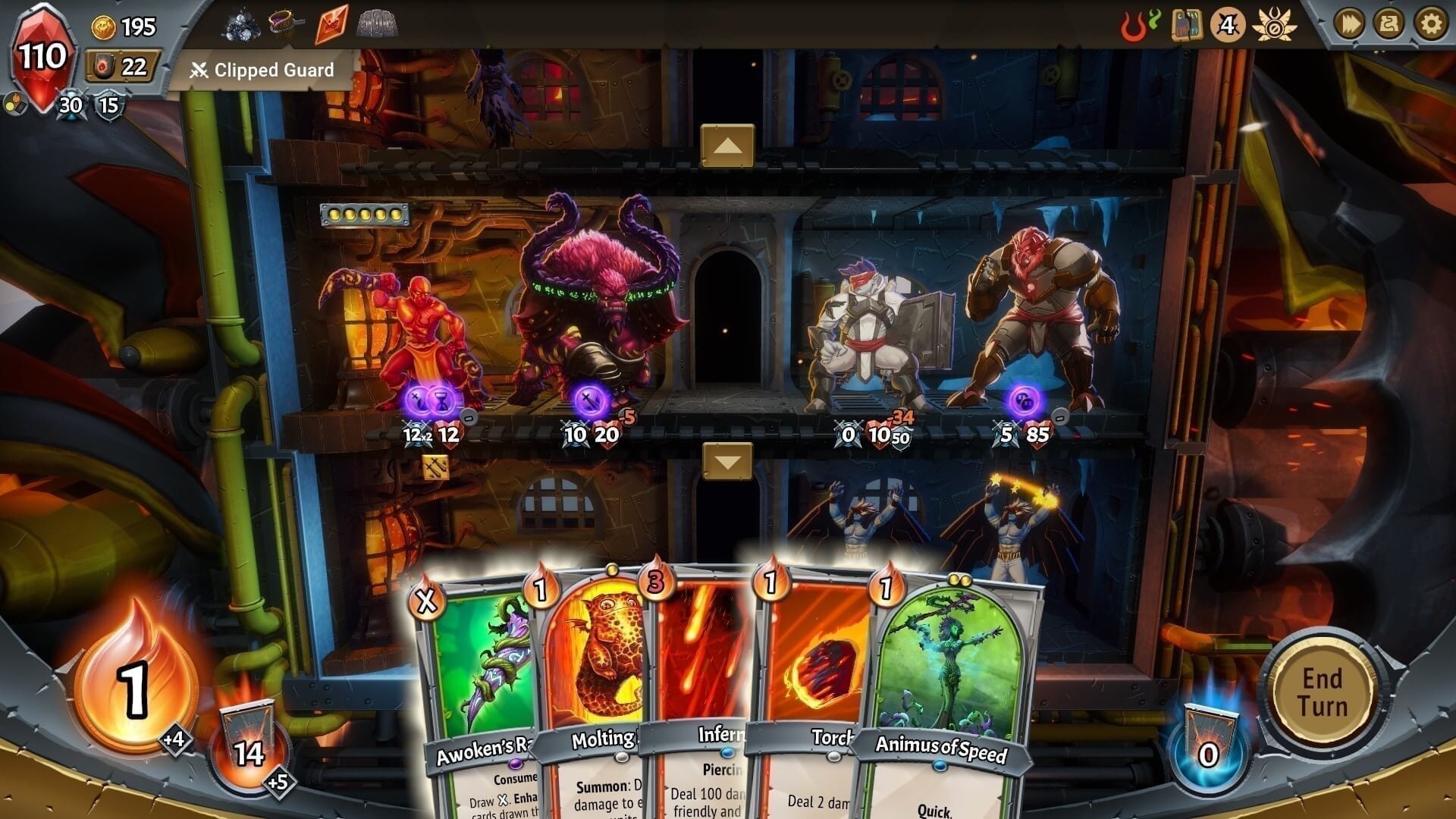
Monster Train tilts a bit more toward build expression and scaling engines. It is still a card battler, but it pushes harder on stacking synergies, unit enhancement, and explosive runs than on the lean attrition style of Slay the Spire.
That makes it a strong pick for players who want the deckbuilder side to hit faster and harder. The reward is big combo payoff. The tradeoff is that the tactical puzzle can feel more about lane management and setup efficiency than about scraping through ugly hands one turn at a time.
For many players, this is where the distinction becomes practical. If you want stronger “my build is online” moments, Monster Train often lands better than slower, grindier deck-focused games.
Balatro
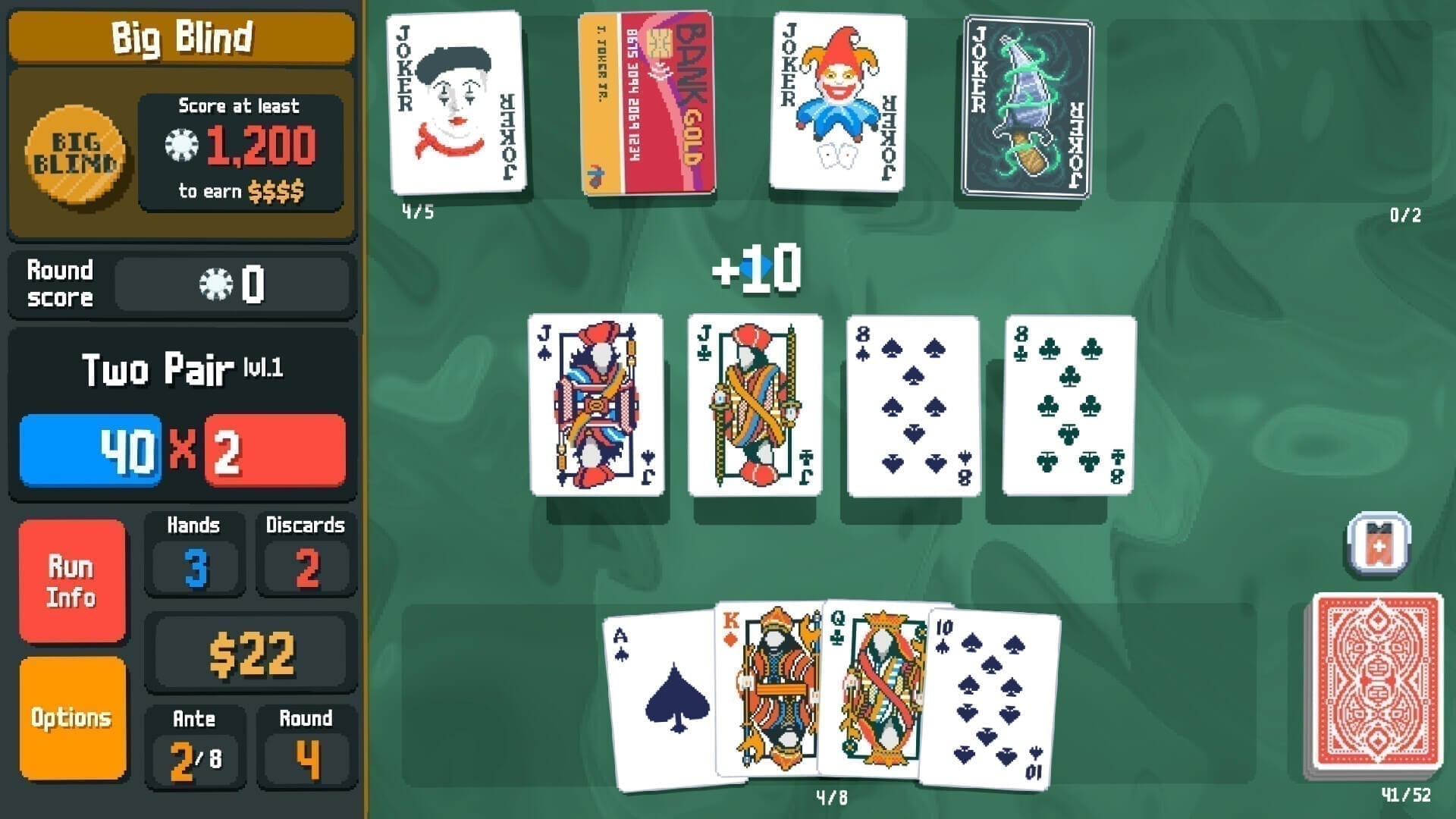
Balatro complicates the labels in a good way. It is absolutely about building a run through card synergies, score scaling, and deck manipulation, but it does not feel like a combat-first card battler in the usual sense.
That makes it useful as a contrast case. It scratches the deckbuilder itch hard: thinning, enhancement, multiplier stacking, and chasing reliable lines. What it does not offer is enemy-by-enemy tactical combat in the Slay the Spire mold.
So if your real desire is “I want a build machine with clean numbers and sharp scaling decisions,” Balatro fits. If you specifically want card-driven battles with defense, damage races, and encounter management, it is solving a different problem.
Hybrids are often the best entry point
Genre purists can make this more confusing than it needs to be. Hybrids are not a compromise category. They are often the most useful place to start because they show you which side of the split you actually care about.
Vault of the Void
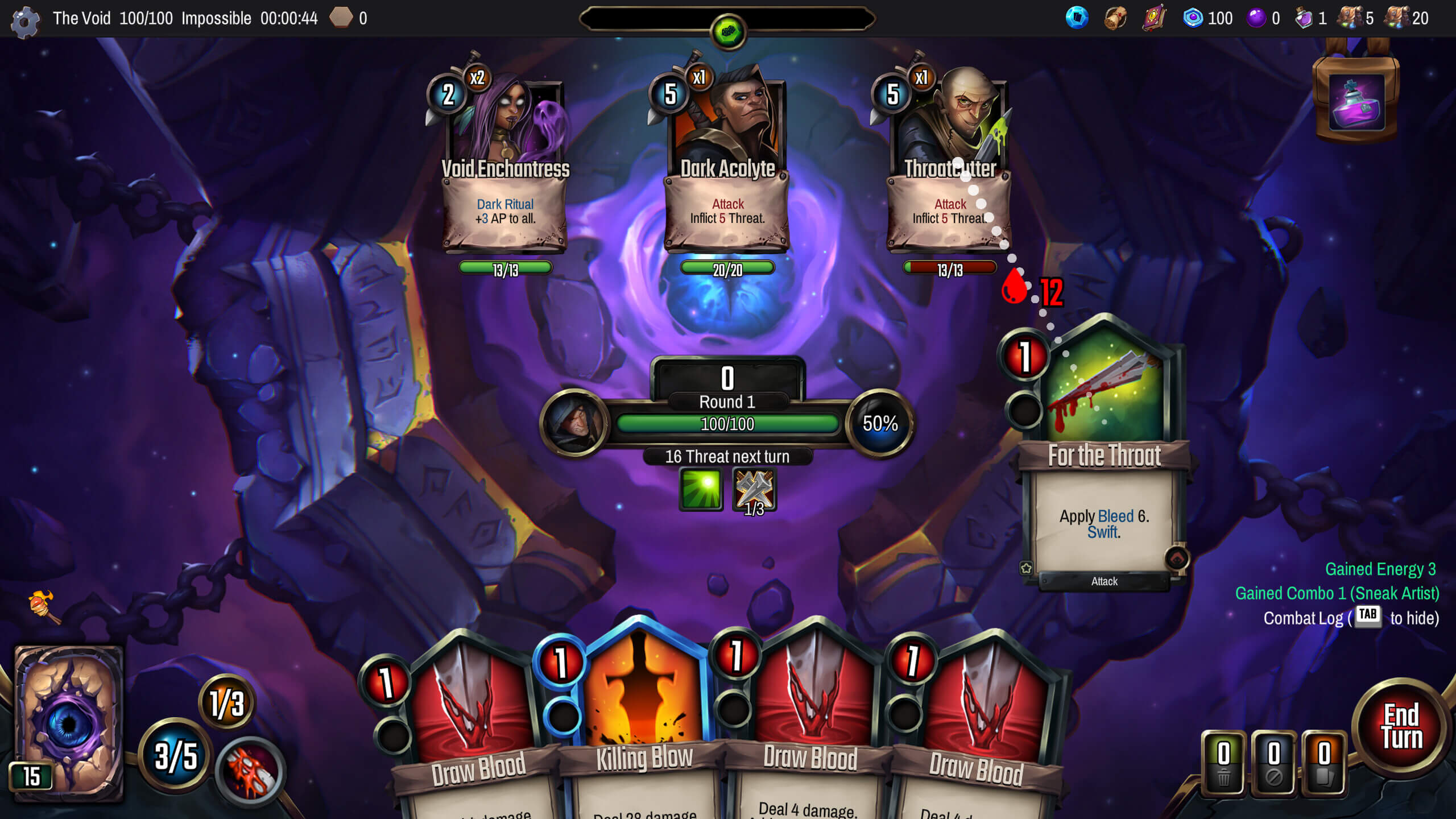
Vault of the Void is a great example of a hybrid that makes deck decisions feel deliberate instead of merely reactive. It gives you a lot of control over how you approach fights and a lot of clarity around card roles, status effects, and encounter planning.
That control is the appeal. New players often find it easier to read than looser roguelike deckbuilders because it surfaces more information and lets you make cleaner adjustments. The friction is that it can feel a little less scrappy and surprising than games built around rougher run improvisation.
If you want to understand deckbuilding systems without getting buried in chaos, this is one of the best teaching tools in the space.
Griftlands
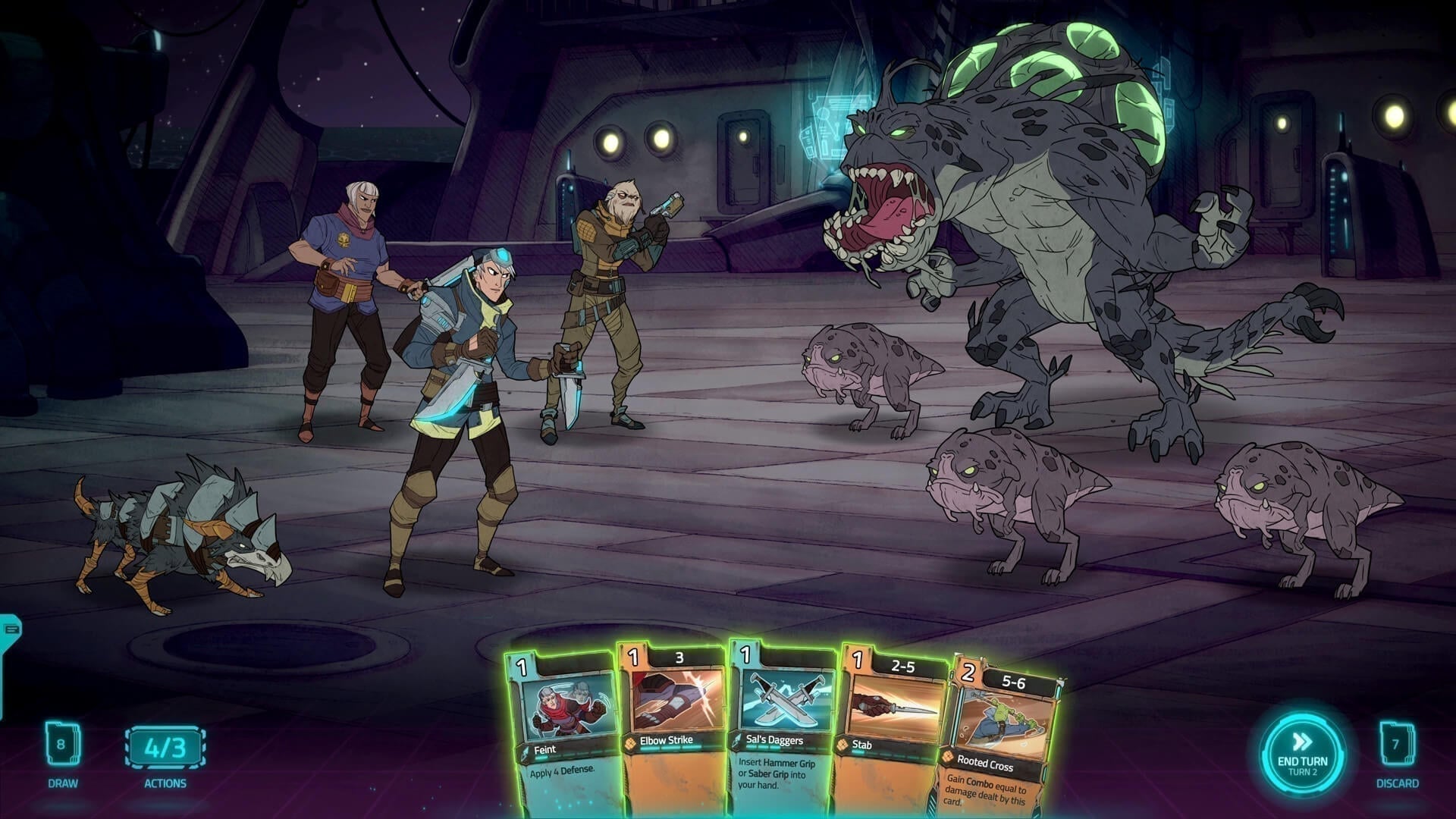
Griftlands sits in the messy middle for a different reason. It has card battles, yes, but it also cares about negotiation decks, narrative decisions, and longer-form campaign structure.
That makes it a strong recommendation for players who want cards to shape more than combat. The meaningful difference is pacing: it is not as clean and compact as a pure run-chaser. If your ideal session is a fast, surgical climb, Griftlands can feel broader than necessary.
Still, it proves a useful point. The line between card battler and deckbuilder gets blurrier once the game asks your deck to support story beats, faction relationships, and multiple forms of conflict.
Some games are card battlers first, deckbuilders second
This is where players get tripped up by store tags. A game can use cards for everything and still not deliver the same deckbuilder feel.
Fights in Tight Spaces
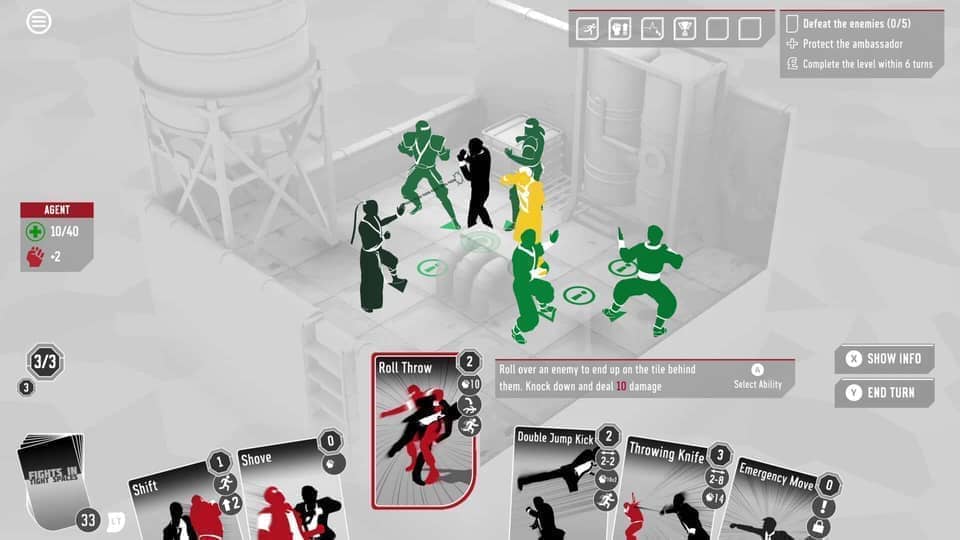
Fights in Tight Spaces is one of the clearest examples of a card battler with a heavy tactical identity. Positioning, movement, and room geometry matter so much that each turn feels like solving a spatial combat puzzle, not just cycling for combo pieces.
Yes, you build and refine a deck, but that is not the whole fantasy. The real hook is using cards to control space efficiently. If you like smart combat choices and readable turns, it is excellent. If you want deep run-level build experimentation to dominate the experience, it may feel more constrained than the genre labels suggest.
Knights in Tight Spaces
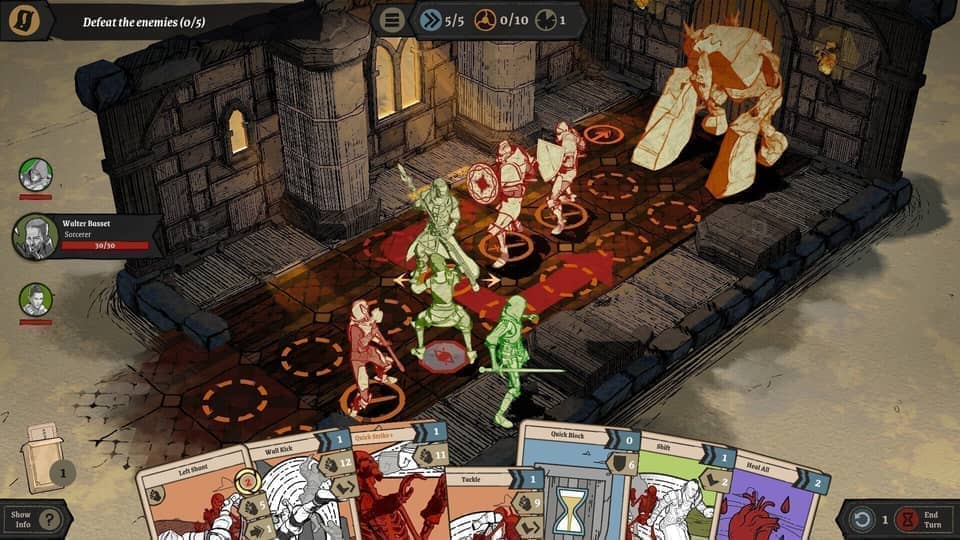
Knights in Tight Spaces pushes that same tactical read into a fantasy setup with squad interactions and positioning priorities that matter immediately in battle.
The main reason to pick it over a more classic deckbuilder is that combat texture. You are thinking about formation, tile pressure, and sequencing on the board as much as deck efficiency. The tradeoff is similar: the deckbuilding is there, but it shares the spotlight with battlefield management in a way some combo-focused players may find less pure.
These are good reminders that “card battler” often tells you more about the turn-to-turn feel than “deckbuilder” does.
So where should you draw the line?
Draw it based on the primary source of satisfaction.
If the game’s identity comes from using cards as your main combat system, it is fair to call it a card battler. If the game’s identity comes from assembling, tuning, and evolving a deck across a run, it is fair to call it a deckbuilder.
And if both are true, just say both. That is not dodging the question. It is usually the most honest answer.
Slay the Spire 2 will almost certainly be discussed this way for the same reason the first game is: players are not really asking for label purity. They want to know if the game delivers tight fights, meaningful deck shaping, and runs that stay readable instead of turning into overlong sludge. That is the practical standard.
FAQ
Is every roguelike card game also a deckbuilder?
No. Some roguelike card games use cards as the core interface but put more emphasis on tactical fights, positioning, or encounter-specific problem solving than on deck evolution. Many are both, but not all to the same degree.
Is Balatro a card battler?
Not in the usual combat sense. It is much easier to understand as a run-based deckbuilding and combo game. It shares progression DNA with deckbuilders, but it does not deliver enemy-focused card battles the way Slay the Spire or Monster Train do.
Why do store tags use both terms on the same game?
Because the overlap is real, and broad tags catch different player searches. That is useful for visibility, but not always useful for deciding what to play next. The better question is what the game asks you to think about most: combat tactics, deck shaping, or both.
Are hybrids better for new players?
Often, yes. Hybrids can be the best entry point for some players because they show the appeal of both sides without demanding loyalty to one strict formula. Games with readable systems and strong feedback, like Slay the Spire or Vault of the Void, usually teach the distinction better than abstract definitions do.
Which term should I trust more when picking a game?
Trust neither term on its own. Look at what drives the fun. If previews and descriptions focus on card synergies, removals, upgrades, and run shaping, that points toward deckbuilder appeal. If they emphasize enemy patterns, turn tactics, and battlefield problem-solving, that is stronger card battler territory.
Takeaway
The line between card battlers and deckbuilders is real, but it is not rigid. Use it to figure out what kind of decisions a game prioritizes, not to force neat labels onto messy games. In practice, the best choice is usually the one that matches your taste for tactical fights, run-level deck shaping, or the hybrid space where both actually matter.