The Best Roguelike Deckbuilders for Beginners
The best entry-point roguelike deckbuilders for players who want strong onboarding, readable systems, and satisfying runs.
Roguelike deckbuilders can look intimidating at first. They throw cards, relics, pathing, and long-term run planning at you all at once. The good ones still give you room to learn, recover from mistakes, and feel clever fast. These 11 are the best starting points if you want strong onboarding, readable systems, and runs that stay satisfying after the basics click.
Quick take
- Slay the Spire is still the cleanest place to learn core deckbuilder logic: block, scaling, deck thinning, and bad card avoidance.
- Balatro is the easiest to read at a glance if poker hands make immediate sense to you, but it is less traditional than the rest.
- Monster Train gives beginners more power than most games, which makes early runs feel better, though the board can get busy.
- Dicey Dungeons is one of the friendliest starts if you want a lighter tone and very readable turn structure.
- Roguebook is a strong pick for players who want a fantasy overworld and duo-based combat without the harshness of harder systems.
- Cobalt Core is an excellent pick if you want clean combat, visible board logic, and a game that teaches by keeping every turn easy to read.
The 11 picks
Slay the Spire
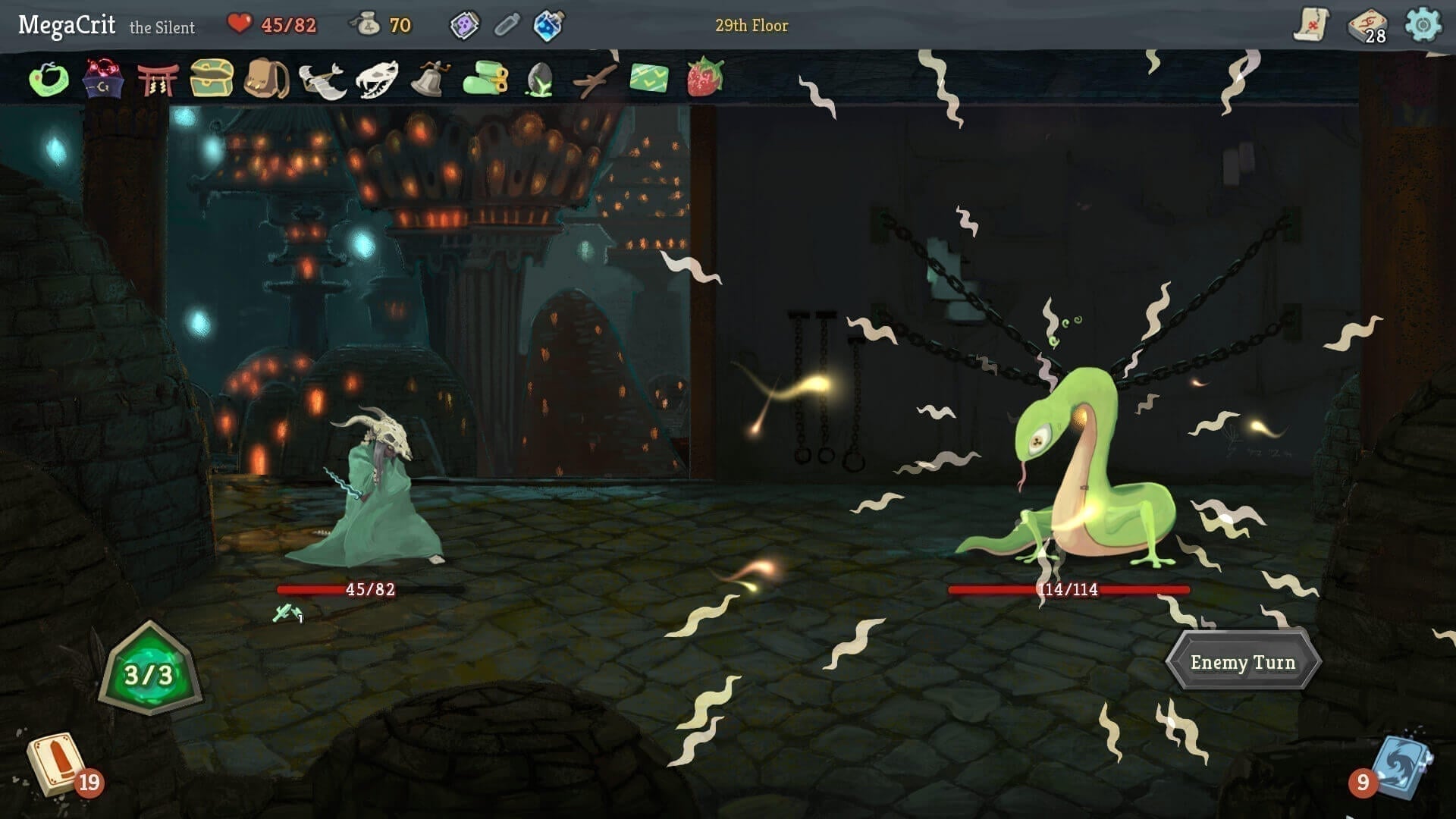
If you only play one beginner deckbuilder, start here. It teaches the genre with almost ruthless clarity. You see what your cards do, enemies telegraph intent, and the relationship between offense, defense, and scaling becomes obvious after a few runs.
Its biggest strength is readability. You can learn why a run worked or failed without digging through hidden systems. It also rewards simple lessons early: remove weak cards, do not overstuff your deck, and build around a small set of useful interactions.
The caveat is that it can feel plain at first compared to flashier games. It also does not hand out easy wins. If you want spectacle or lots of forgiveness, the early climb may feel stricter than expected.
Balatro
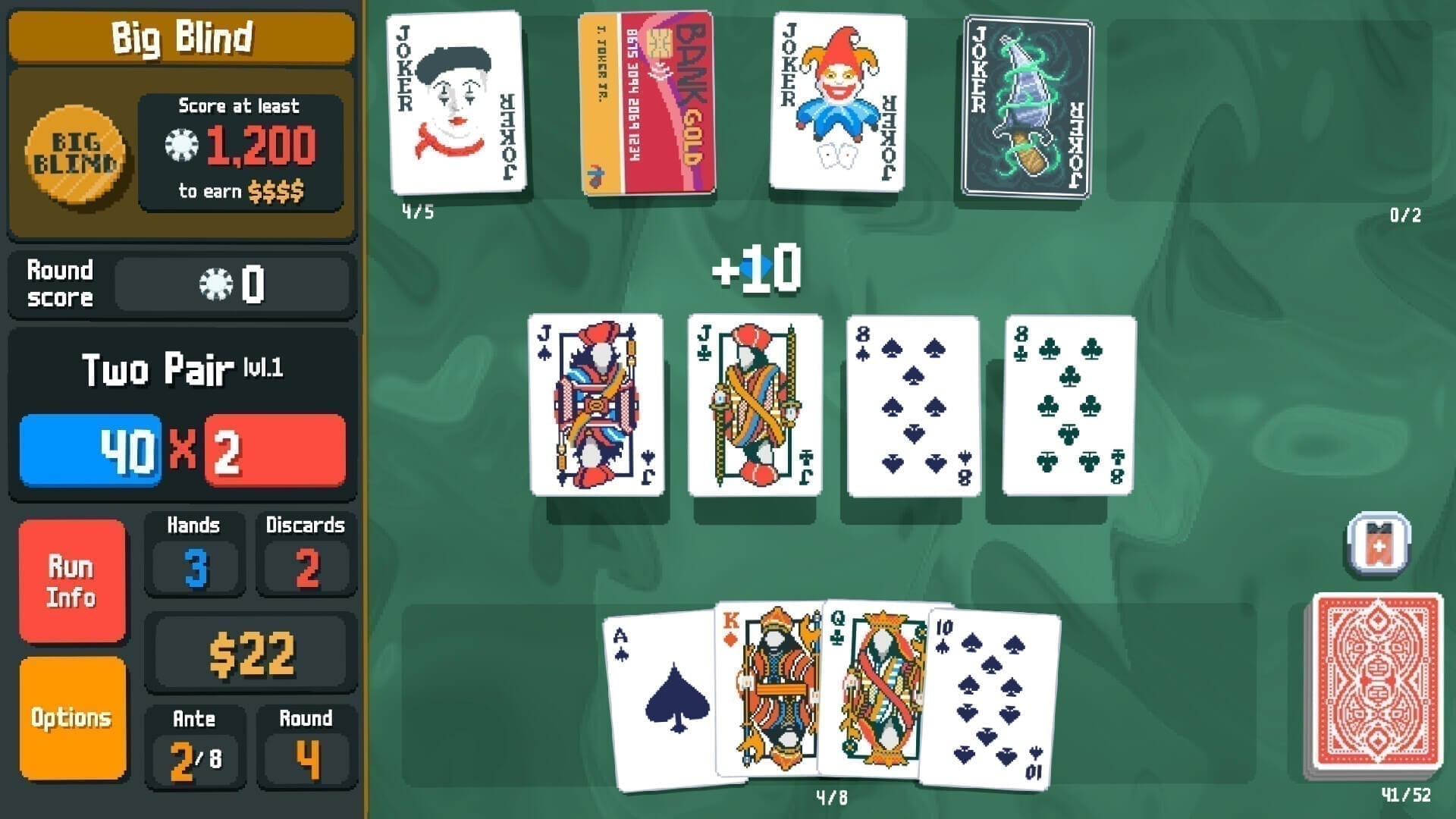
Balatro is the oddball on this list, and that is exactly why it works for some beginners. Instead of teaching fantasy card combat, it teaches roguelike deckbuilding through poker hands, modifiers, and score scaling. That makes the loop easy to grasp: identify your best scoring pattern, then push it hard.
The concrete strength here is immediacy. Even new players can understand a pair, flush, or full house, then start seeing how jokers and deck manipulation twist those hands into absurd scoring engines. Runs move fast, and experimentation is painless.
The limitation is simple: if you want classic fantasy combat, this is not that. Balatro teaches reroll discipline, synergy chasing, and scaling very well, but it does not teach blocking, enemy pattern reading, or combat sequencing the way traditional deckbuilders do.
Monster Train
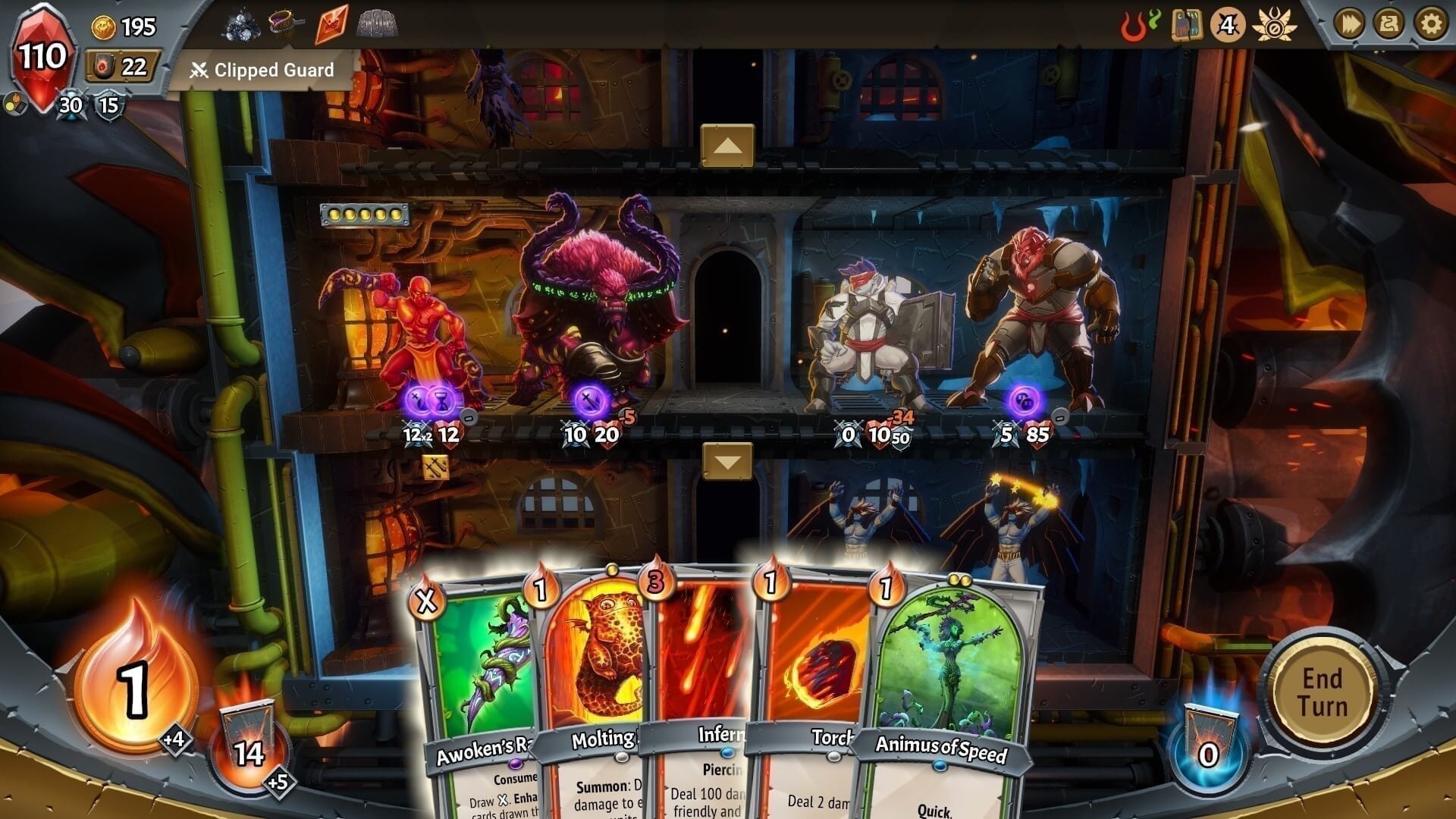
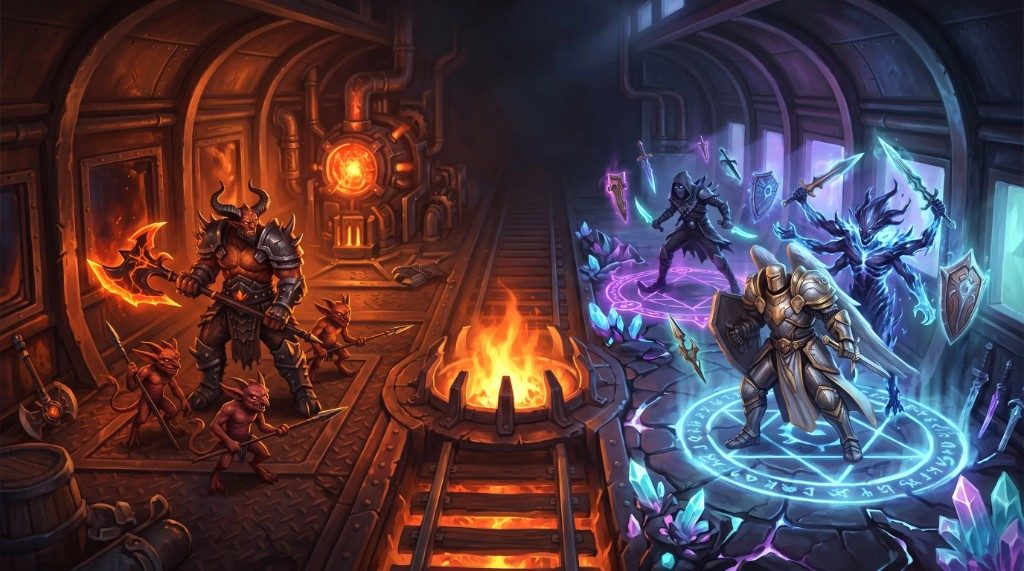
Monster Train is a great beginner pick because it lets you do powerful things early. The multi-floor battles create a strong visual logic: enemies climb, your units hold lanes, and spells support the defense. It feels generous without being shallow.
Its best quality for new players is momentum. Upgrades are dramatic, unit identities are easy to understand, and many runs give you a real chance to assemble something strong. If Slay the Spire teaches restraint, Monster Train teaches payoff.
The caveat is board complexity. Once triggers, unit positions, and floor planning pile up, new players can misplay by accident. It is friendlier than it first appears, but it does ask you to track more moving parts than the genre’s cleanest entries.
Dicey Dungeons
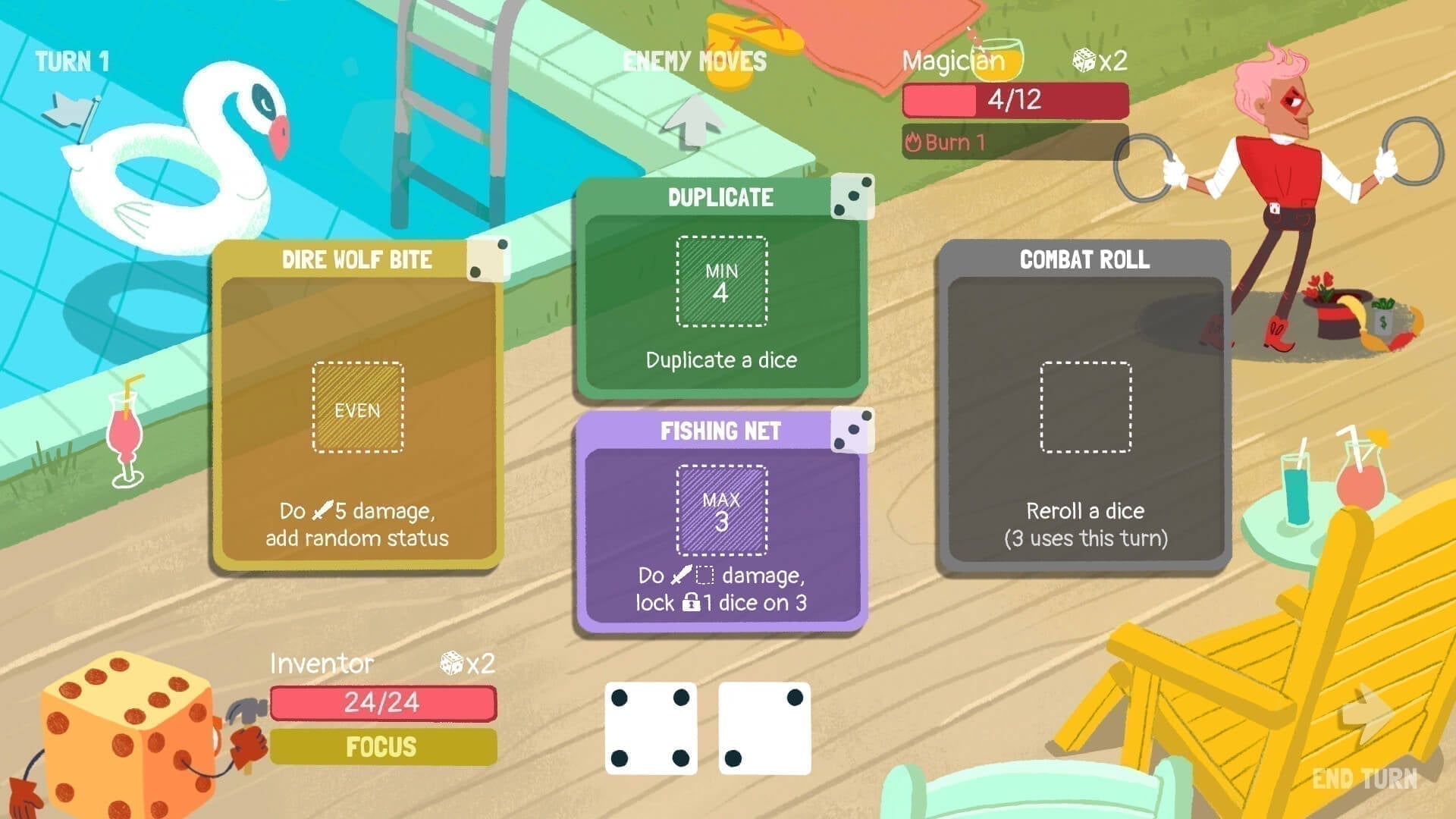
Dicey Dungeons is one of the easiest ways into deckbuilder-adjacent roguelike design. It swaps standard card play for dice assignment, which makes every turn feel tactile and easy to read. You are not parsing a hand of abstract effects; you are slotting rolled values into gear and seeing the result.
That clarity is the strength. Different characters teach different rule sets without drowning you in complexity, and runs are short enough that failure rarely feels punishing. It is also excellent at showing how a single mechanic twist can reshape a whole build.
The limitation is depth ceiling. It is smart and charming, but if you want the long-form drafting and layered deck tuning of heavier roguelike deckbuilders, it may feel more like a gateway than a forever game.
Roguebook
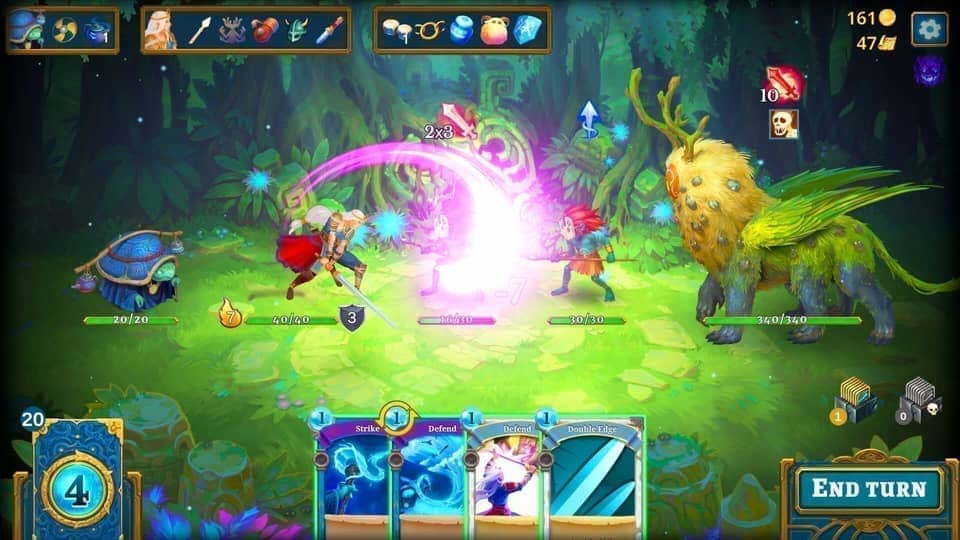
Roguebook lands in a sweet spot for beginners who want a more adventurous fantasy feel. The dual-hero system gives combat a strong identity, and the map exploration adds a sense of discovery beyond node-to-node pathing.
Its biggest strength is how inviting it feels. Building around two heroes can make synergies easier to spot, and the exploration layer gives you more agency in how you shape a run. It is less severe than harsher genre staples and often easier to enjoy casually.
The caveat is that the two-character setup adds another layer of planning. You are managing card flow, hero roles, and board timing together. That is still approachable, but not quite as instantly legible as the genre’s purest one-hero systems.
Cobalt Core
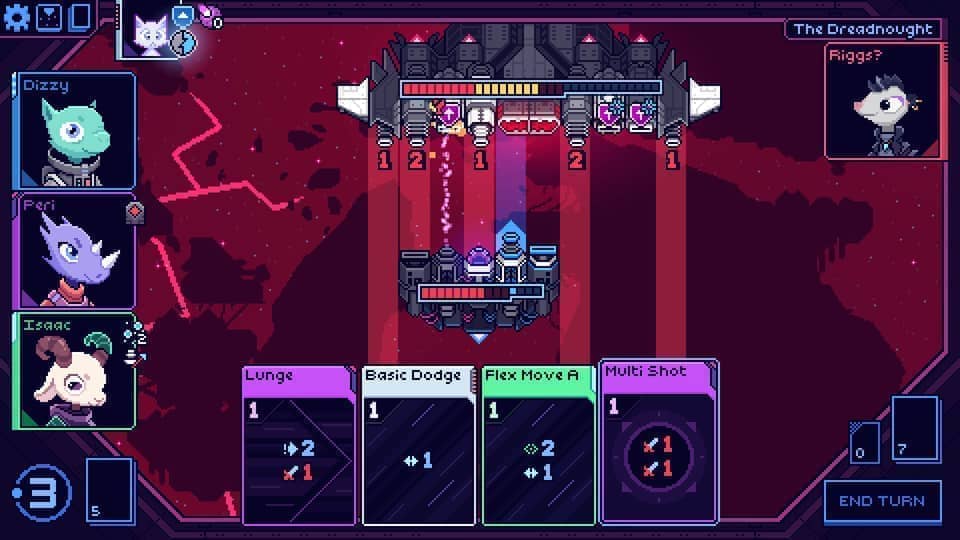
Cobalt Core is one of the best beginner picks if you want a game that stays readable without becoming bland. The ship-based combat makes every turn easy to parse: you can see enemy pressure, understand what movement changes, and quickly learn why a defensive or positional choice mattered.
That clarity is the real strength. New players get to learn sequencing, timing, and synergy without drowning in hidden complexity, and different ship and crew combinations keep runs interesting once the basics click. It does a great job of making you feel smarter after a loss instead of just more confused.
The caveat is that it is slightly less traditional than a pure fantasy card battler. If you specifically want to learn the exact language of block, attack, and relic-style scaling first, Slay the Spire is still the cleaner teacher. But if readable tactics matter more than genre purity, Cobalt Core is an excellent place to start.
Breach Wanderers
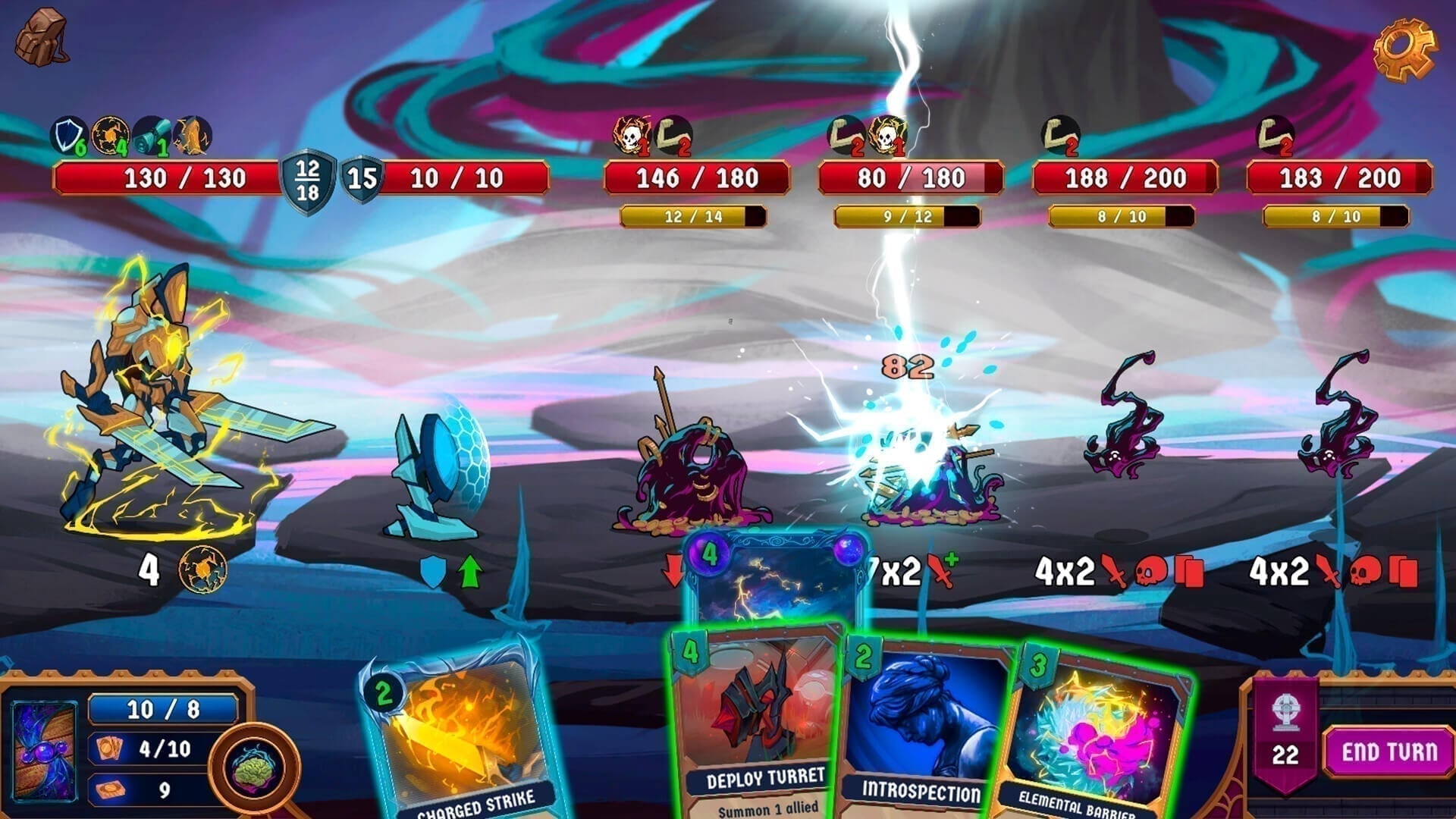
Breach Wanderers is a strong beginner recommendation for players who want more control over the kind of run they are building. It gives you room to shape your card pool and push toward preferred strategies instead of relying entirely on chaotic drafting.
That is the clear strength: reduced randomness in the learning phase. New players can focus on understanding synergies and archetypes without feeling that every bad run came from never seeing the tools they needed. It is a good bridge between accessible design and deeper customization.
The limitation is that some players learn best through stricter constraints, and Breach Wanderers can feel less elegant than tighter, more curated systems. If you want the sharpest possible onboarding, it may feel slightly looser despite being very beginner-friendly overall.
Monster Train 2
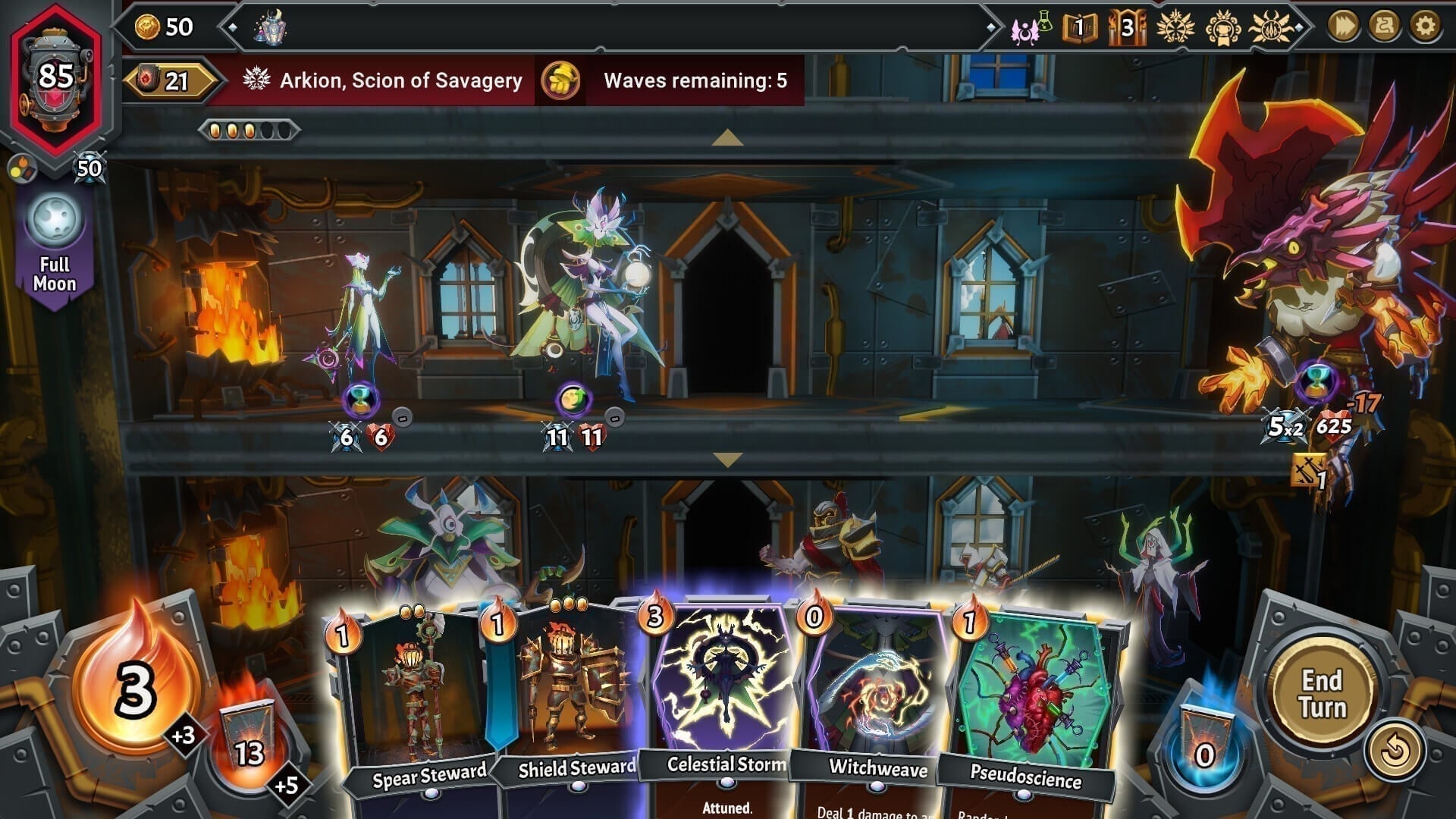
Monster Train 2 keeps the same broad appeal as its predecessor: strong runs, clear power spikes, and systems that make you feel clever fast. For beginners, that means a lot. You can still understand the core rhythm quickly while enjoying the thrill of building something outrageous.
Its major strength is how rewarding progression feels within a run. Upgrades matter, clan combinations invite experimentation, and the combat format makes your decisions visible on the board instead of hidden in backend math.
The caveat is straightforward: this is still a busier game than the simplest entries on the list. If you are completely new to deckbuilders, the sequel’s extra layers may be better after you have at least touched one or two cleaner introductions first.
Vault of the Void
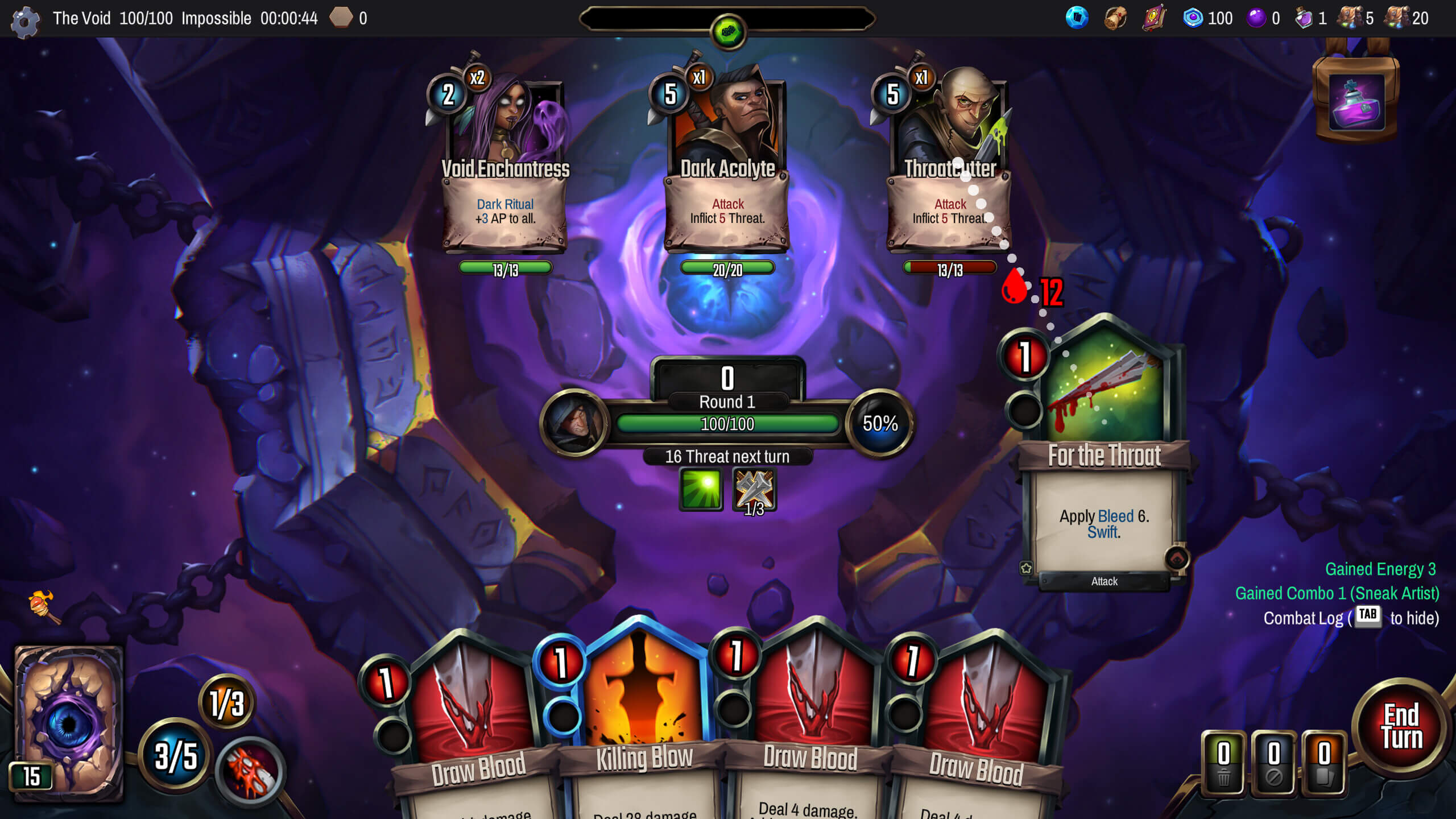
Vault of the Void is a terrific choice for beginners who hate feeling trapped by bad draws. Its systems give you unusual control, which makes the game excellent for learning why a deck works rather than just hoping it does.
That control is its biggest strength. You can shape turns more reliably, test archetypes with less friction, and understand the value of card roles with unusual clarity. It is one of the best learning tools here for players who want to actively improve.
The limitation is that it can feel more technical than cozy. The flexibility is powerful, but the game expects you to engage with that precision. If you want a softer, more instinctive first step, this may feel a bit too engineered even though it is very teachable.
Astrea: Six-Sided Oracles
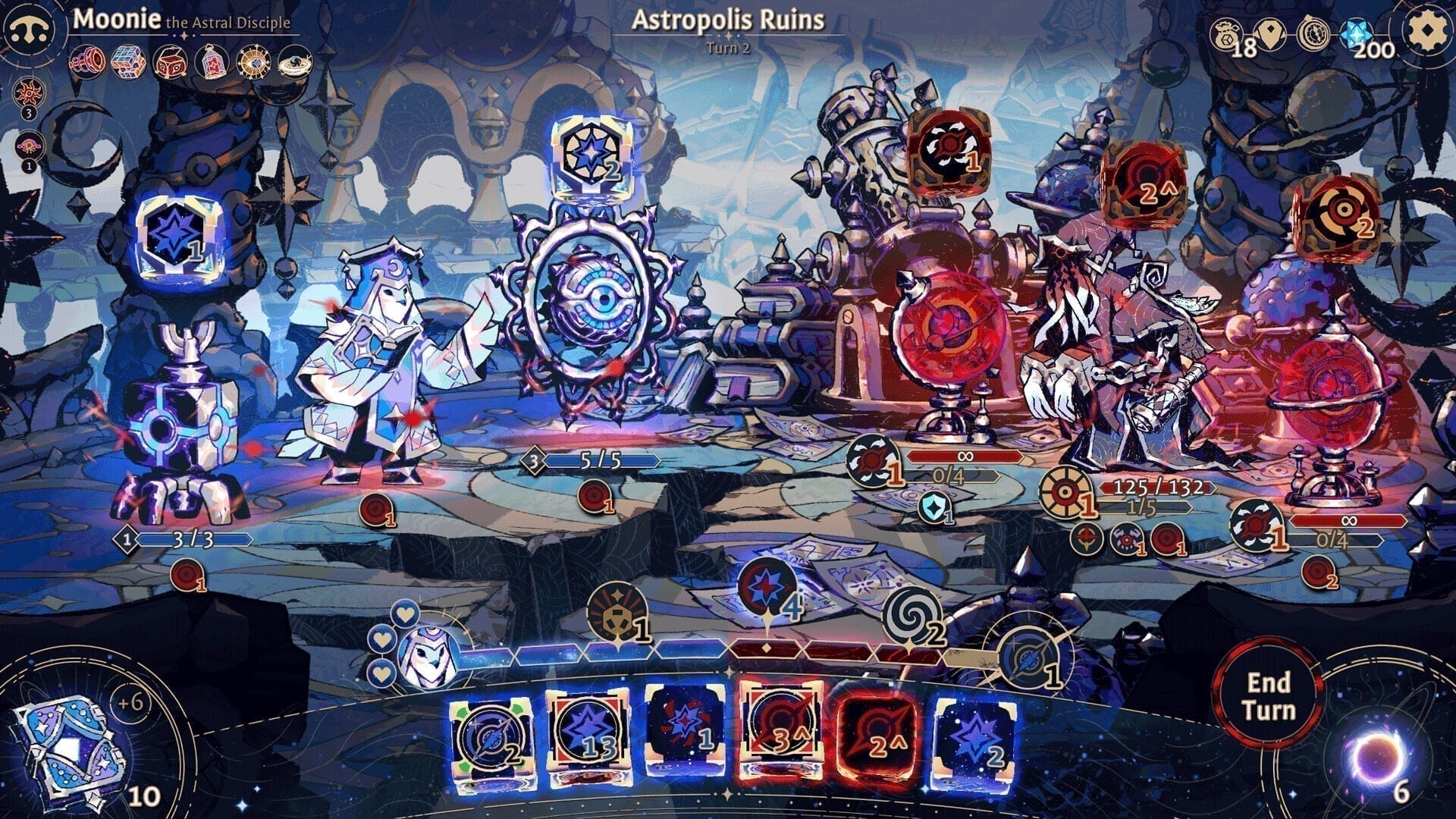
Astrea is one of the freshest beginner picks if cards alone are not clicking for you. Its dice-based combat and purification system feel distinct, but the core appeal is familiar: build synergy, survive rough fights, and scale into stronger turns.
The standout strength is mechanical novelty with readable purpose. The game makes offense, defense, and cleansing part of the same conversation, which gives each turn interesting decisions without making everything muddy. It feels inventive without becoming inscrutable.
The caveat is that its terminology and systems are less standard than the genre’s old anchors. That makes it exciting, but it also means some lessons transfer less directly to traditional card-first deckbuilders.
Tainted Grail: Conquest
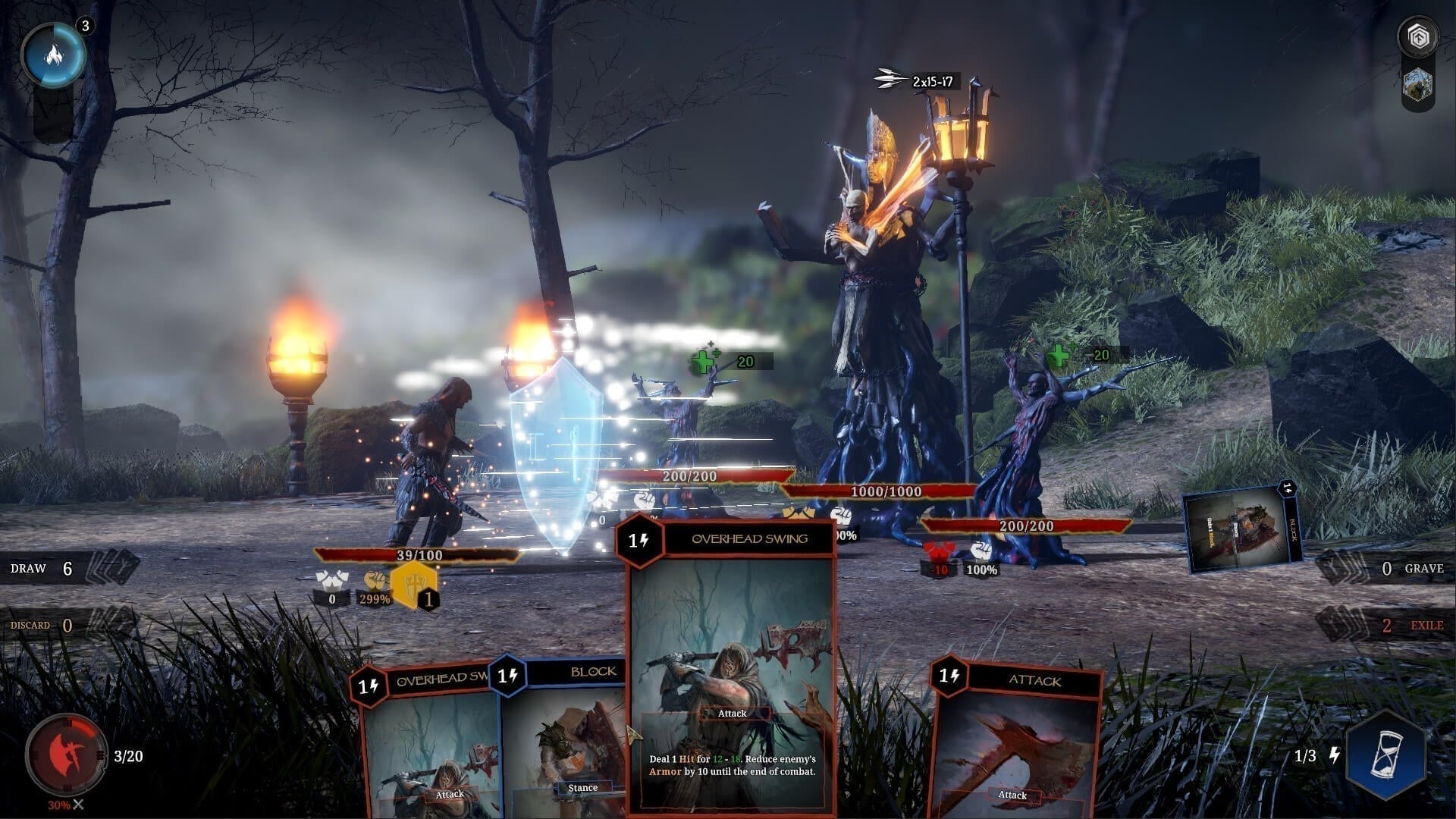
Tainted Grail: Conquest is a good beginner pick for players who want darker fantasy flavor and a stronger sense of class identity. Its combat is approachable enough to learn, but the atmosphere gives the runs more weight than lighter alternatives.
Its biggest strength is mood paired with solid structure. Character styles feel distinct, combat choices are readable, and the run progression gives you enough direction to keep experimenting without feeling lost. If you want your deckbuilder to feel haunted rather than playful, this fits.
The caveat is that it is not the lightest introduction on this list. The tone is heavier, and some beginners may prefer a cleaner, brighter starting point before stepping into a more oppressive fantasy world.
Who should play this
- Players who want a beginner-friendly path into roguelike deckbuilders without starting on the harshest games.
- Anyone who likes highly replayable runs built around learning synergies and improving decision-making.
- Fantasy fans who want spells, monsters, relics, and cursed choices more than pure abstract systems.
- Players who enjoy short-to-medium sessions where failure teaches something useful.
- People deciding whether they prefer classic card combat, dice systems, or score-chasing twists like Balatro.
Common mistakes
-
Taking too many cards every chance you get.
Fix: Skip more often. A smaller deck draws your best tools more reliably. -
Chasing every synergy at once.
Fix: Pick one primary plan, then add support pieces instead of stuffing in every “good” card. -
Ignoring defense because damage feels faster.
Fix: In most of these games, surviving one extra turn often matters more than hitting slightly harder now. -
Buying flashy upgrades without checking deck fit.
Fix: Spend around your current engine, not your dream engine. -
Blaming bad luck for every failed run.
Fix: Review one decision point per loss: pathing, card picks, upgrades, or resource spending.
FAQ
Is Slay the Spire still the best first roguelike deckbuilder?
Yes. It is still the cleanest teacher of core genre fundamentals. Some newer games are flashier or more forgiving, but few are better at showing you why your choices mattered.
Which game here is easiest for total beginners?
If you want traditional combat, Dicey Dungeons and Slay the Spire are the safest starts. If poker logic clicks instantly for you, Balatro may be the easiest game on the whole list to understand moment to moment.
Which one is best if I want the most replayability?
All 11 are replayable, but Slay the Spire, Balatro, Monster Train, and Cobalt Core are the easiest to keep returning to because their runs stay readable while still allowing very different builds.
Are these all fantasy games?
Most of them lean fantasy in some form, especially Slay the Spire, Monster Train, Roguebook, Astrea: Six-Sided Oracles, and Tainted Grail: Conquest. Balatro is the biggest tonal outlier, but it still fits the same replayable run-based obsession.
Should I start with the simplest game or the coolest-looking one?
Usually the coolest-looking one that you still understand at a glance is the right move. If the theme pulls you in, you will stick around long enough to learn the systems. If you are undecided, start with Slay the Spire.
Takeaway
If you want the safest first step, pick Slay the Spire. If you want faster hooks, try Balatro, Monster Train, or Cobalt Core. If you want a gentler fantasy road into the genre, Roguebook, Dicey Dungeons, and Tainted Grail: Conquest are all strong entry points.