7 Deckbuilders With Classes That Feel Completely Different
A veteran-tested roundup of deckbuilders where choosing a new class, clan, hero, or party member changes card evaluation, combat rhythm, and route decisions—not just your starting deck.
Deckbuilders with unique classes are worth your time only when the choice changes more than the opening hand. The strongest examples alter card evaluation, turn sequencing, synergy goals, and even how much risk a run can absorb.
This list counts clans, paired heroes, and party roles alongside traditional classes. It is for players who already understand run-based deckbuilding and want real asymmetry. The ranking is about mechanical distance, not overall quality: a lighter game can outrank a classic if its class choice rewrites the rules.
The ranking at a glance
| Rank | Game | Strongest source of asymmetry | Main friction |
|---|---|---|---|
| 1 | Monster Train 2 | Clan pairings, unit scaling, and lane decisions | High interaction load |
| 2 | Dicey Dungeons | Class rules that change what cards can do | Shorter, lighter run pressure |
| 3 | Chrono Ark | Party composition and turn-order planning | Demanding setup and boss knowledge |
| 4 | Slay the Spire | Clear class-specific drafting inside one ruleset | Same map, energy, and combat frame for every class |
| 5 | Roguebook | Two-hero pairings and hex-map routing | Individual heroes can blur together |
| 6 | Across the Obelisk | Four independent decks and shared run commitments | Coordination overhead |
| 7 | One Step From Eden | Character kits felt through real-time execution | Not a turn-based class-drafting game |
These games are ordered by how deeply a new class, clan, hero, or party member changes the questions you ask during a run.
How to judge whether a class is genuinely different
A class earns its place here when it changes the questions you ask during a run.
- Card evaluation: the same card should be exciting, risky, or nearly irrelevant depending on who is using it.
- Sequencing: setup, defense, scaling, and payoff should have different priorities.
- Run-level commitment: encounters, greedy drafts, and recovery plans should shift with the choice.
- High-difficulty survival: a class that feels different for two runs, then collapses into the same generic damage plan, does not belong near the top.
1. Monster Train 2
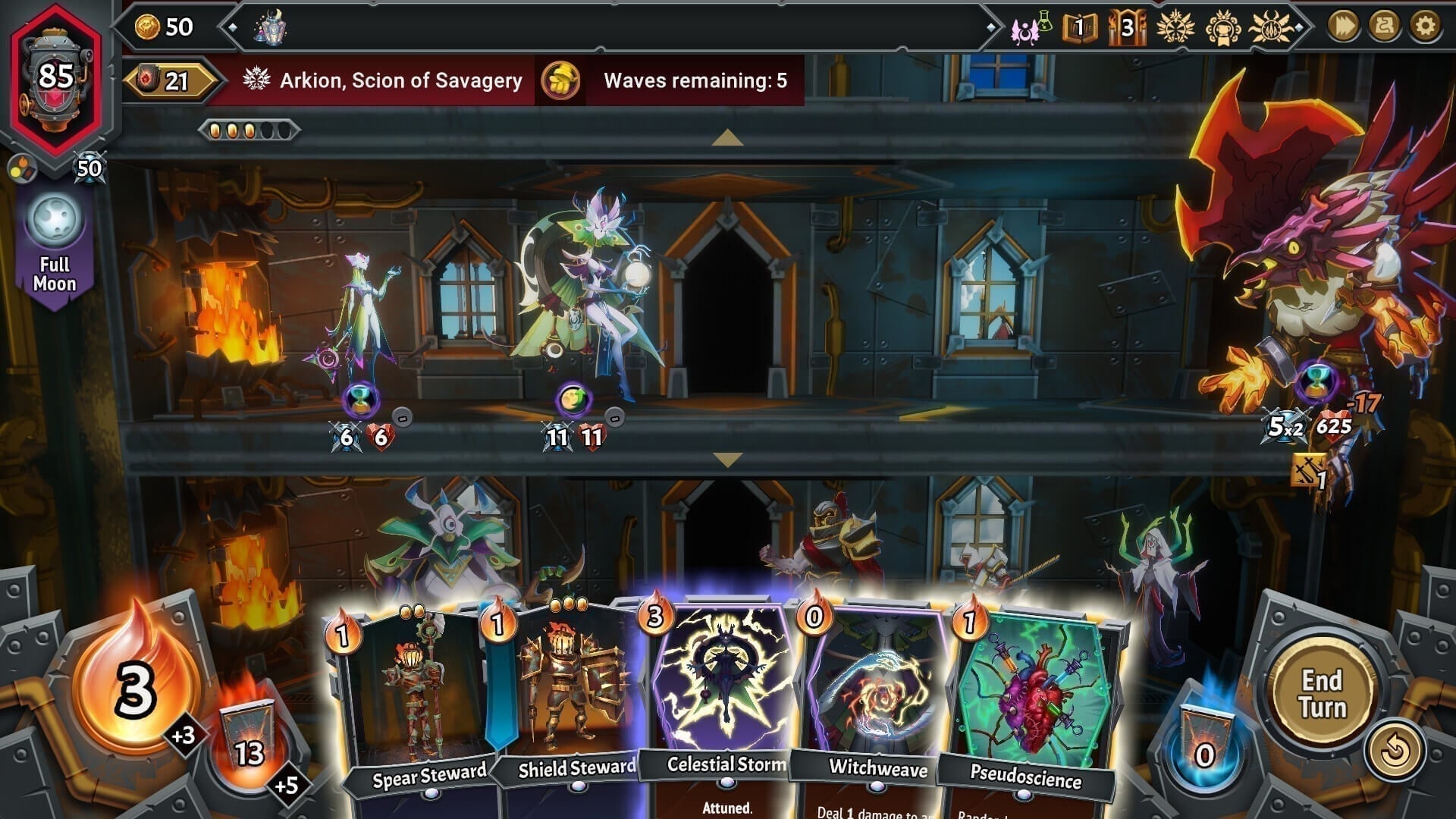
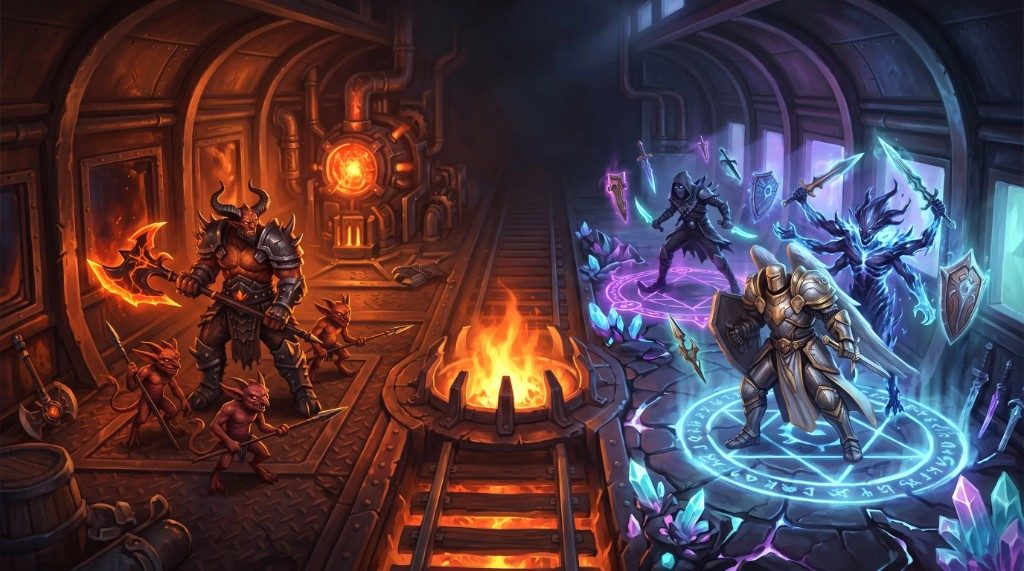
Monster Train 2 has one of the strongest answers to “what does a class change?” The important choice is not a single starting clan. It is the pairing, and that pairing reshapes how you value units, spells, upgrades, and scaling across lane-based combat.
The original Monster Train established this model. The sequel is the version to play in 2026: more clans, denser synergies, and the same floor-by-floor test. A card is judged by the floor it supports, the unit it enhances, and the timing window it creates. A technically strong deck can still fail if it cannot place power in the right lane or scale quickly enough for the next wave.
That makes it an excellent fit for players who want class choice to affect both engine construction and tactical positioning. Explosive turns are especially satisfying when the pairing creates a plan that neither clan could support as cleanly alone.
Best for: Players who want combinatorial class identity on a board, not just in the draft.
Main limitation: Interaction load. Unit scaling, lane placement, and clan synergy all compete for attention, so the system is less immediately readable than a single-character deckbuilder.
2. Dicey Dungeons
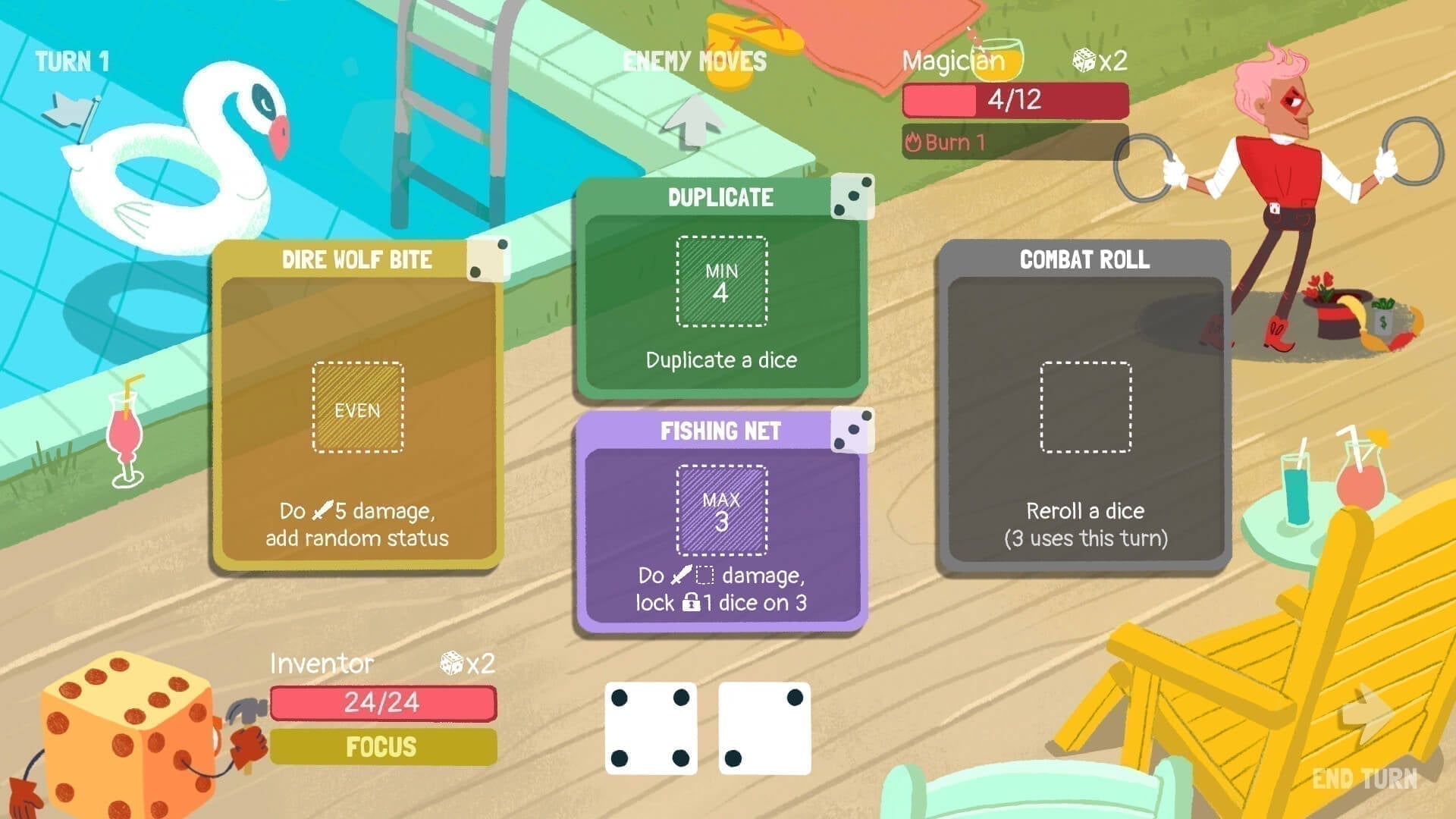
Most class screens change your starting cards. Dicey Dungeons changes the rules of card evaluation.
A tool is not simply strong or weak in isolation. Its value depends on what the current class can do with the roll: the Warrior’s dice are often the damage number, the Inventor keeps gadgets on the board, and the Thief spends lockpicks. The class changes what “playable” means before it changes how much damage a card deals.
This clicks if you want short, readable runs and cheap experimentation. It is a friendly entry point for players who understand deckbuilding but do not want every run to become a long engine-management exercise.
Best for: Players who want the class to rewrite the turn, not just the starter deck.
Main limitation: Lighter long-run pressure. Sessions stay brisk, and the game does not deliver the same extended scaling puzzle as the harder entries here.
3. Chrono Ark
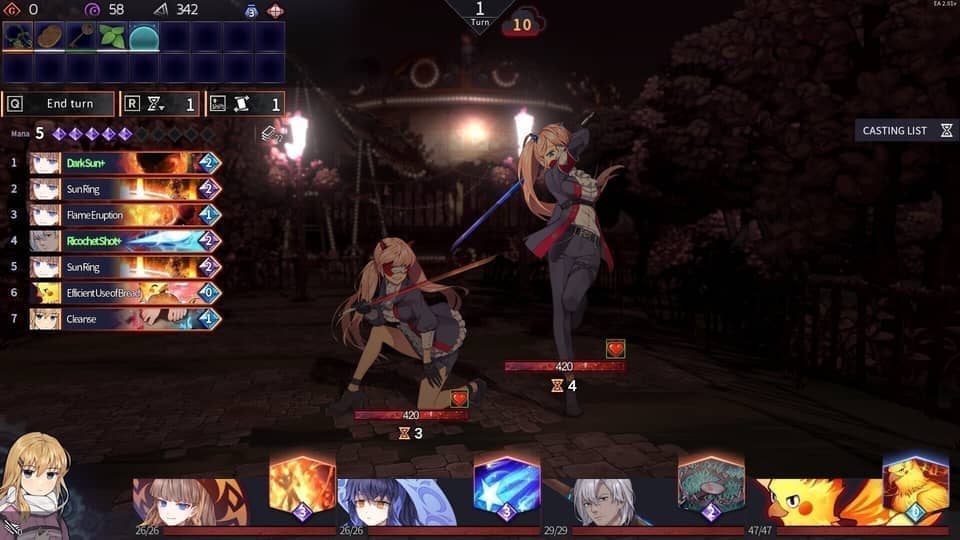
Chrono Ark asks whether you can make an entire party cooperate under pressure. A new roster does not merely give you a different pile of cards. It changes who sets up a turn, who protects the plan, who converts preparation into damage, and how the party handles a boss’s next phase.
Card value is relational. Characters contribute to a shared combat timeline, so a modest skill can become essential when it completes another investigator’s sequence. Turn order and combo planning matter as much as the individual cards.
This is the pick for players who enjoy building a team rather than a single engine, especially if they want layered bosses that punish a plan that only works on paper.
Best for: Players who want party composition and scripted bosses to share one combat clock.
Main limitation: Setup overhead and encounter knowledge. Chrono Ark is hard, and some of that difficulty is learning what the next boss expects. The campaign is also more authored than an infinite-run laboratory, so the class variety lives in party combinations rather than endless seeded climbs.
4. Slay the Spire
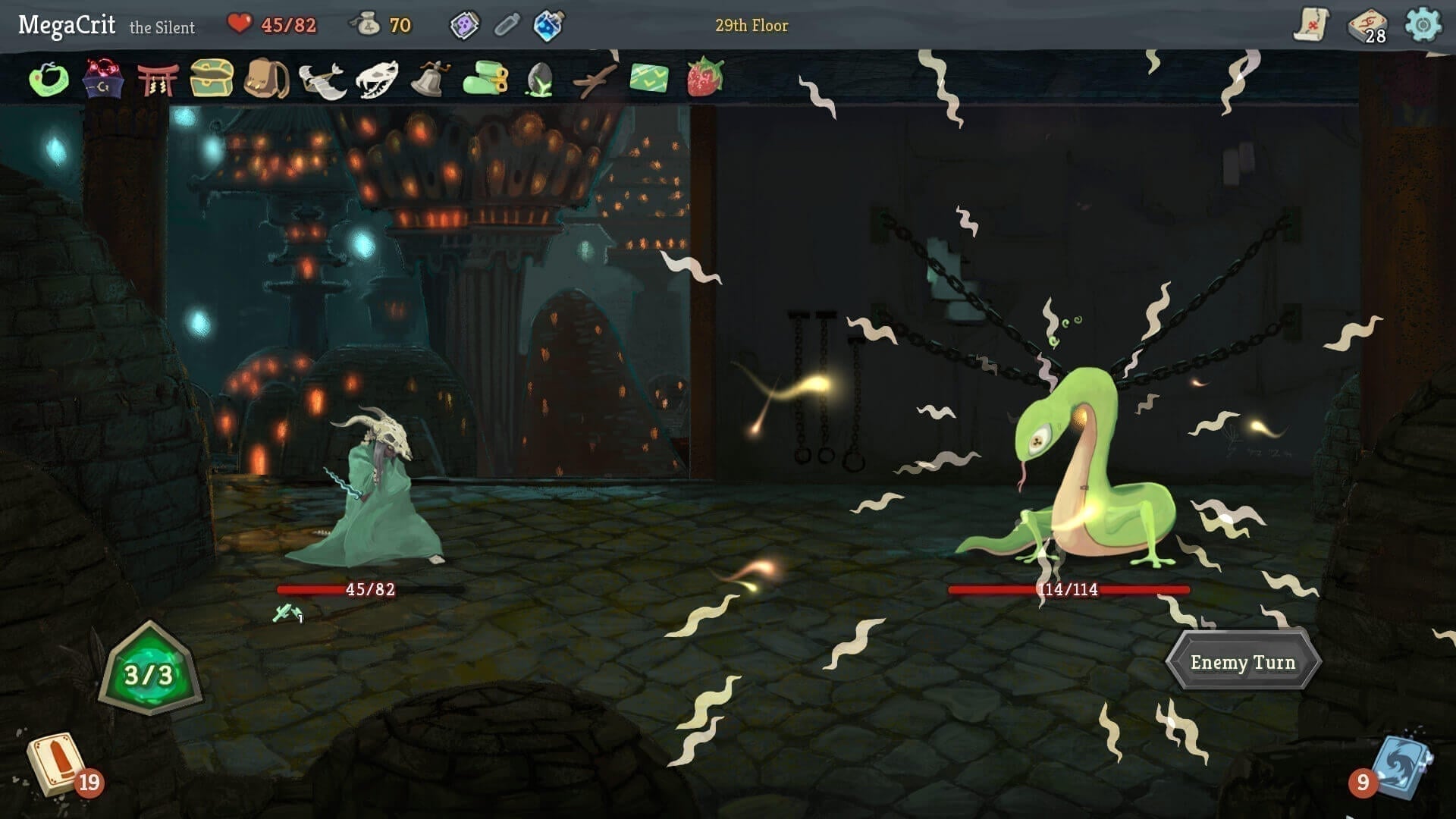
Slay the Spire is the baseline recommendation, but not the most radical one. Its classes feel different because they change card priorities, combat pacing, and the kinds of scaling you want from a run while keeping the rules readable.
That clarity is the real strength. Ironclad strength and exhaust lines, Silent poison and shivs, Defect orbs, and Watcher stance dancing are not reskins of one another. You can see why a card belongs in one class’s deck and why the same idea would be a poor choice elsewhere. Route tension still forces you to decide whether the current draft can handle an elite, a shop, or a safer path.
This is the best fit for players who want class-specific drafting without party management or layered board administration. It is also the cleanest choice for learning what good asymmetry feels like.
Best for: Players who want sharply defined classes inside a shared, readable ruleset.
Main limitation: Structural sameness. Every class uses the same map, energy, relics, and combat frame. The identities are strategically distinct; they are not different games.
5. Roguebook
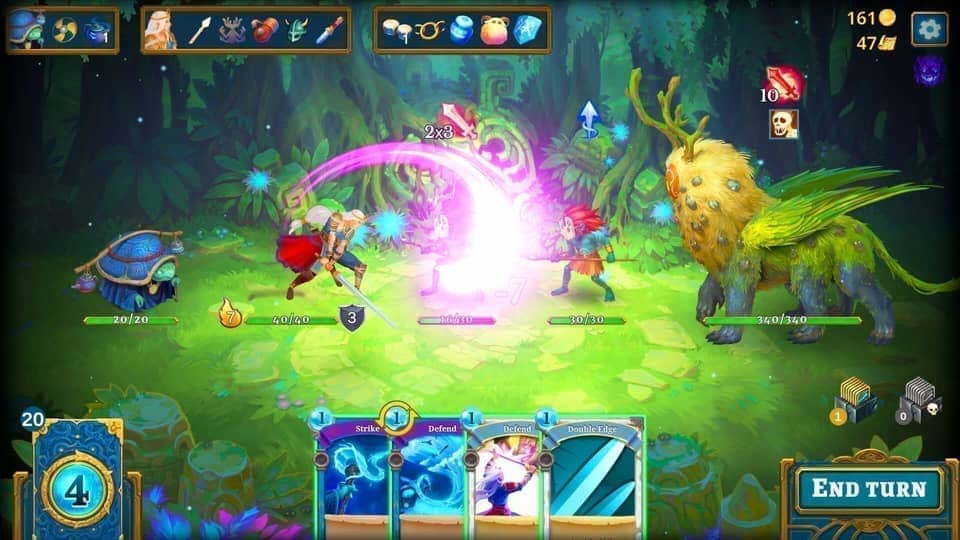
Roguebook’s asymmetry lives between two heroes rather than inside one class identity. The interesting question is not which character has the best cards. It is whether the pair covers each other’s awkward turns without forcing both decks into the same narrow plan.
One hero can create a setup window while the other supplies the payoff, or the pair can divide pressure, defense, and utility. The hex-grid map adds another layer: pairings affect which routes feel safe, which rewards are worth chasing, and how much room you have to recover from an imperfect build.
That pairing system is why it belongs here. It is also why it sits below Slay the Spire: flexibility can soften the boundaries between heroes. Roguebook offers roomy build variety, but individual characters are less rigidly defined than Ironclad versus Watcher.
Best for: Players who enjoy complementary pair construction and map routing.
Main limitation: Hero identities can blur. This is a strong pick for two-deck teamwork, not the purest choice for hard class separation.
6. Across the Obelisk
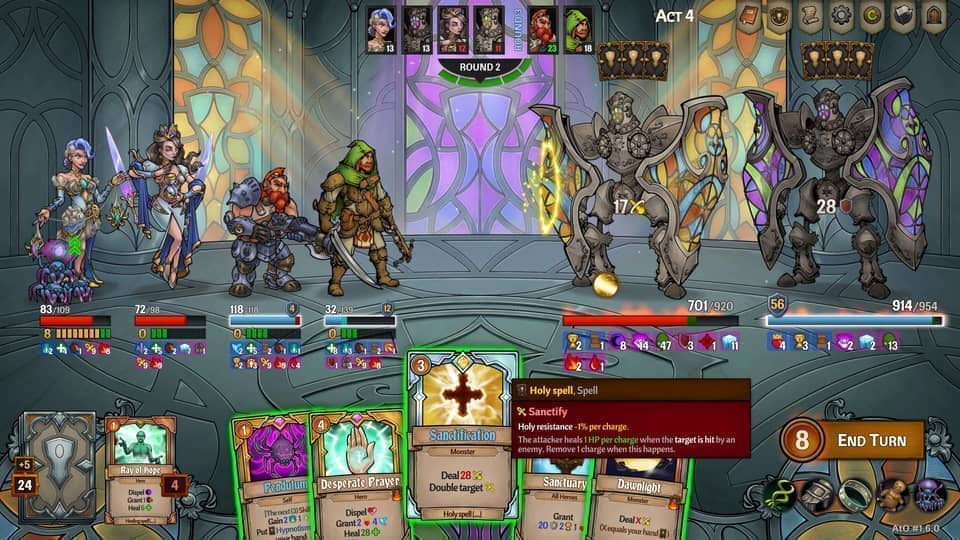
Across the Obelisk is easy to confuse with Chrono Ark because both are party deckbuilders. The class question is different. Each hero builds a separate deck, and the run is a shared commitment: gold, events, branching routes, and whether the four roles actually cover the next fight.
A new party changes what the run can cover more than it changes a single shared timeline. The important decision is not only which cards each role wants. It is whether the group has a coherent division of damage, healing, mitigation, and utility across a long branching path. That is why it works so well in co-op: each player can own a class identity while the table still has to agree on shops and routes.
Best for: Co-op groups or solo players who want four independent decks sharing one campaign.
Main limitation: Coordination overhead. Class mastery is slower than in a single-hero deckbuilder, and the extra systems can feel busy if you only want to isolate one character’s draft.
7. One Step From Eden
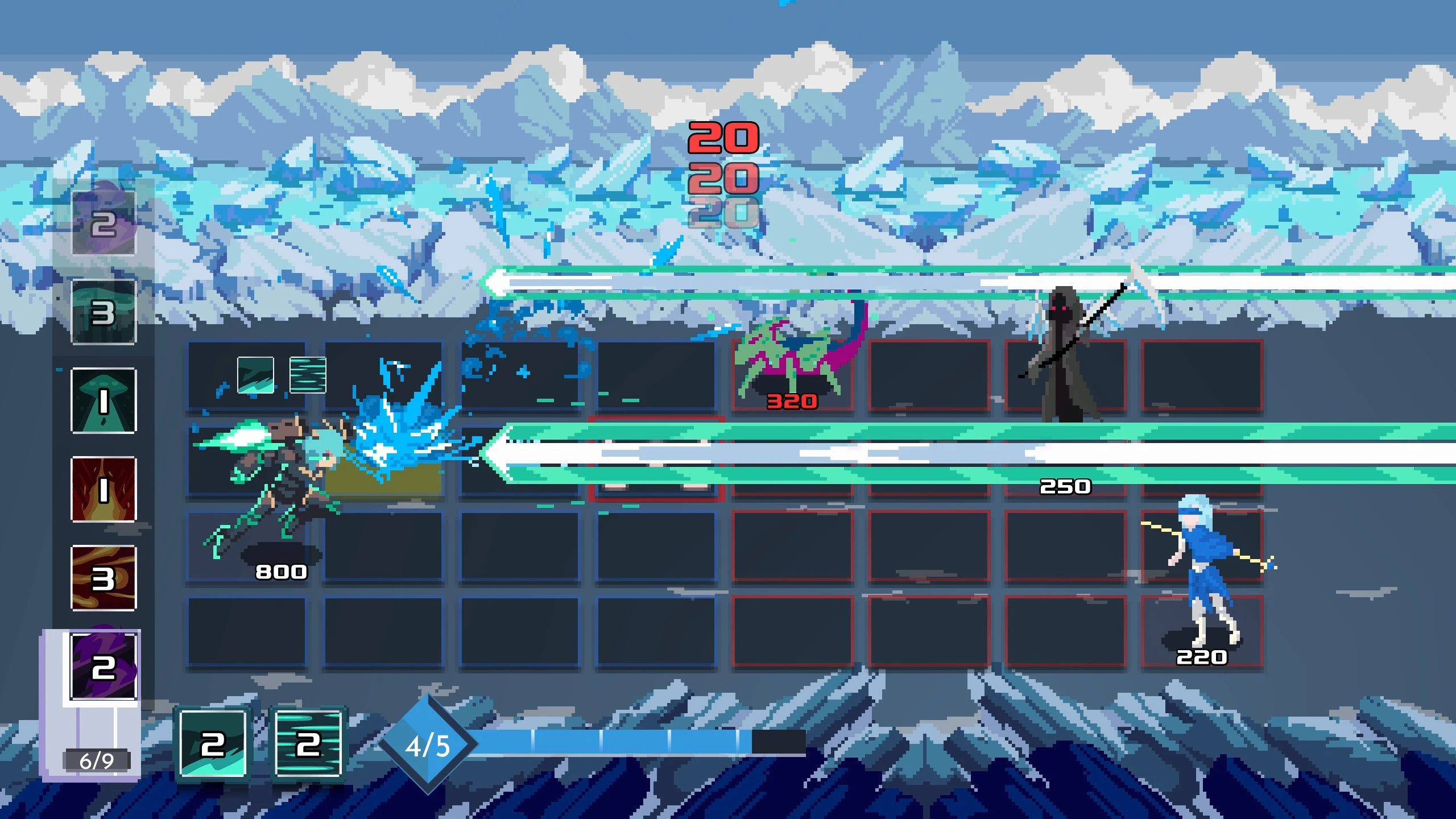
One Step From Eden is the caveat pick because it is not a turn-based class-drafting game. It does have named characters with distinct kits — Saffron, Selicy, Hazel, and the rest start with different spells and movement tools — but the gap is felt while you are moving, aiming, and casting under bullet-hell pressure.
A card that looks efficient in a menu has to work in real time. Combat rhythm becomes part of the build, so two loadouts diverge through execution rather than through paused sequencing. That still counts as class variety if your itch is a dramatically different run feel.
If you want a conventional character-select screen that rewrites a turn-based draft, skip this one. It earns a spot as an adjacent recommendation for players who value radically different play patterns more than a paused class puzzle.
Best for: Players who want character identity to show up in real-time execution.
Main limitation: The class difference is downstream of action-combat skill. Native online co-op is also absent if that matters to you.
The right kind of class variety
The shared thread is not the label on the character screen. It is whether choosing differently makes the entire run ask different questions.
Choose Monster Train 2 for clan-driven build expression and explosive lane decisions. Choose Dicey Dungeons when you want the class to change the rules of card evaluation. Choose Chrono Ark or Across the Obelisk when the appeal is a party, and be clear which kind: one shared combat clock, or four decks on one route.
Slay the Spire remains the cleanest model for readable class identity. Roguebook is the pairing specialist. One Step From Eden is the outlier for players who want real-time execution to matter as much as the kit.