Roguelike vs Roguelite Deckbuilders Explained
A clear breakdown of what players usually mean by roguelike and roguelite deckbuilders, and why the line still gets blurry.
You want to know what kind of run you're signing up for before you sink hours into it. In roguelike vs roguelite deckbuilders, the real question is simple: does each run start clean, or does the game keep feeding you permanent progress between failures?
This breakdown is for players who already care about run structure, deck control, and how much a game asks you to learn versus unlock. We’ll keep it practical, use a few deckbuilder examples where they actually help, and focus on the part that matters most: choosing the style you’ll actually enjoy.
The Short Version: What Most Players Mean
In deckbuilders, roguelike usually means a run stands on its own. You start fresh, build from nothing, and your success depends mostly on what happens inside that run. Death resets the board.
Roguelite usually means there is some kind of persistent progress outside the run. That can be new cards, new classes, stronger starting options, extra relic pools, or a wider set of tools unlocked over time.
That sounds clean until you look at actual games. Many deckbuilders mix both ideas. A game can have self-contained runs but still unlock content over time. It can also have minimal meta progression without making that progression the main source of power. That is why the line gets blurry fast.
For most players, the useful distinction is not genre purity. It’s this:
- Roguelike-leaning deckbuilders ask you to master systems now.
- Roguelite-leaning deckbuilders let your account progress smooth the climb over time.
What a Roguelike-Leaning Deckbuilder Usually Feels Like
A roguelike-leaning deckbuilder puts pressure on moment-to-moment decisions. Card picks matter immediately. Pathing matters. Bad upgrades hurt. Good removals save runs. The game expects you to learn patterns, not wait for a future unlock to fix your current deck.
Slay the Spire
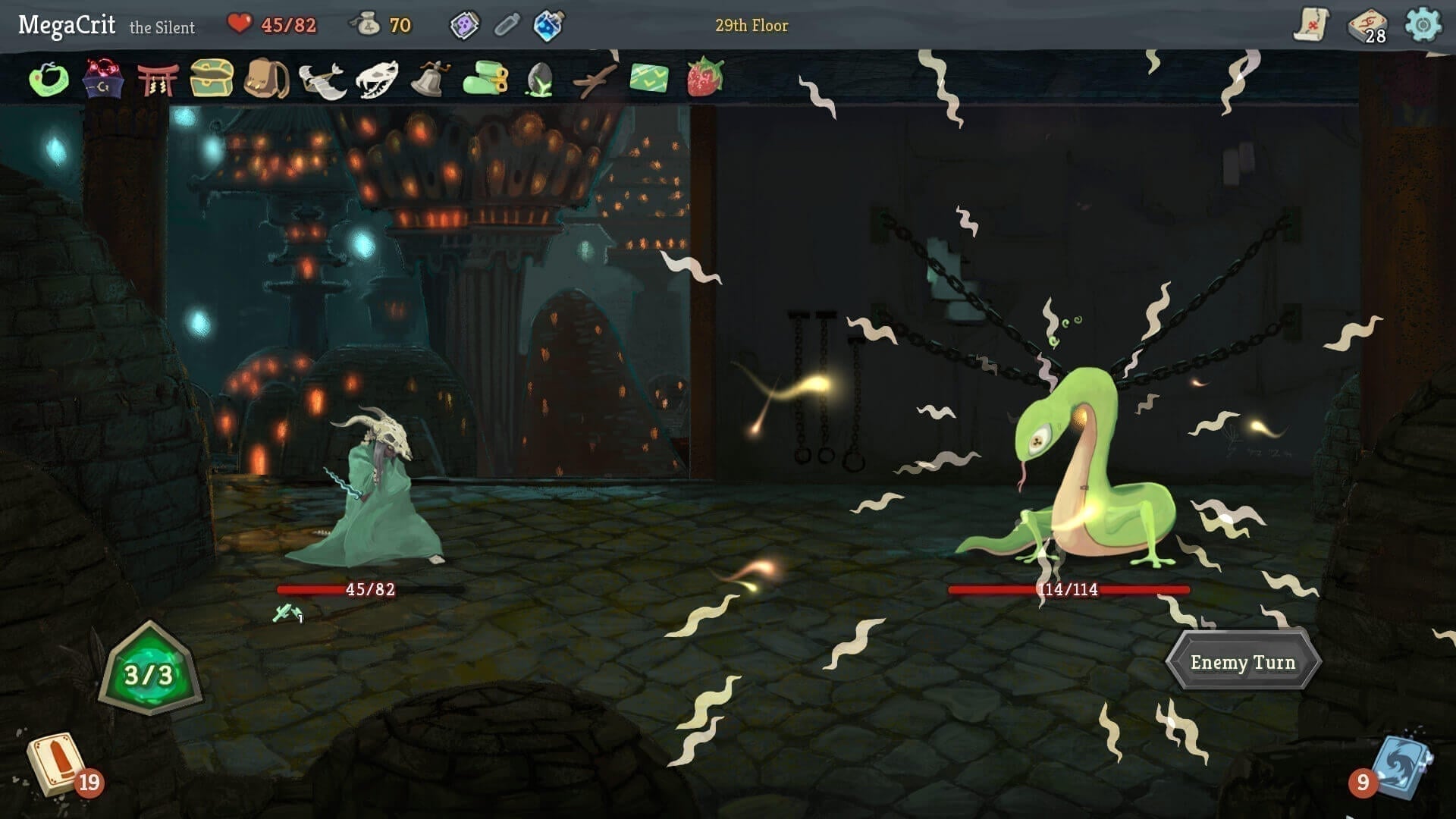
This is still the cleanest example of the format most players think of when they say “roguelike deckbuilder.” Runs are highly self-contained, and the core pleasure comes from reading fights, building toward tight synergies, and surviving your own greedy picks.
What makes it fit this side of the line is how little the game depends on outside progression once you’re in. You unlock some content as you play, but winning is mostly about run-level decision quality. The meaningful difference is that it is not a pure reset-only structure in the strictest sense, because unlocks do exist. That’s exactly why these labels stay messy.
Vault of the Void
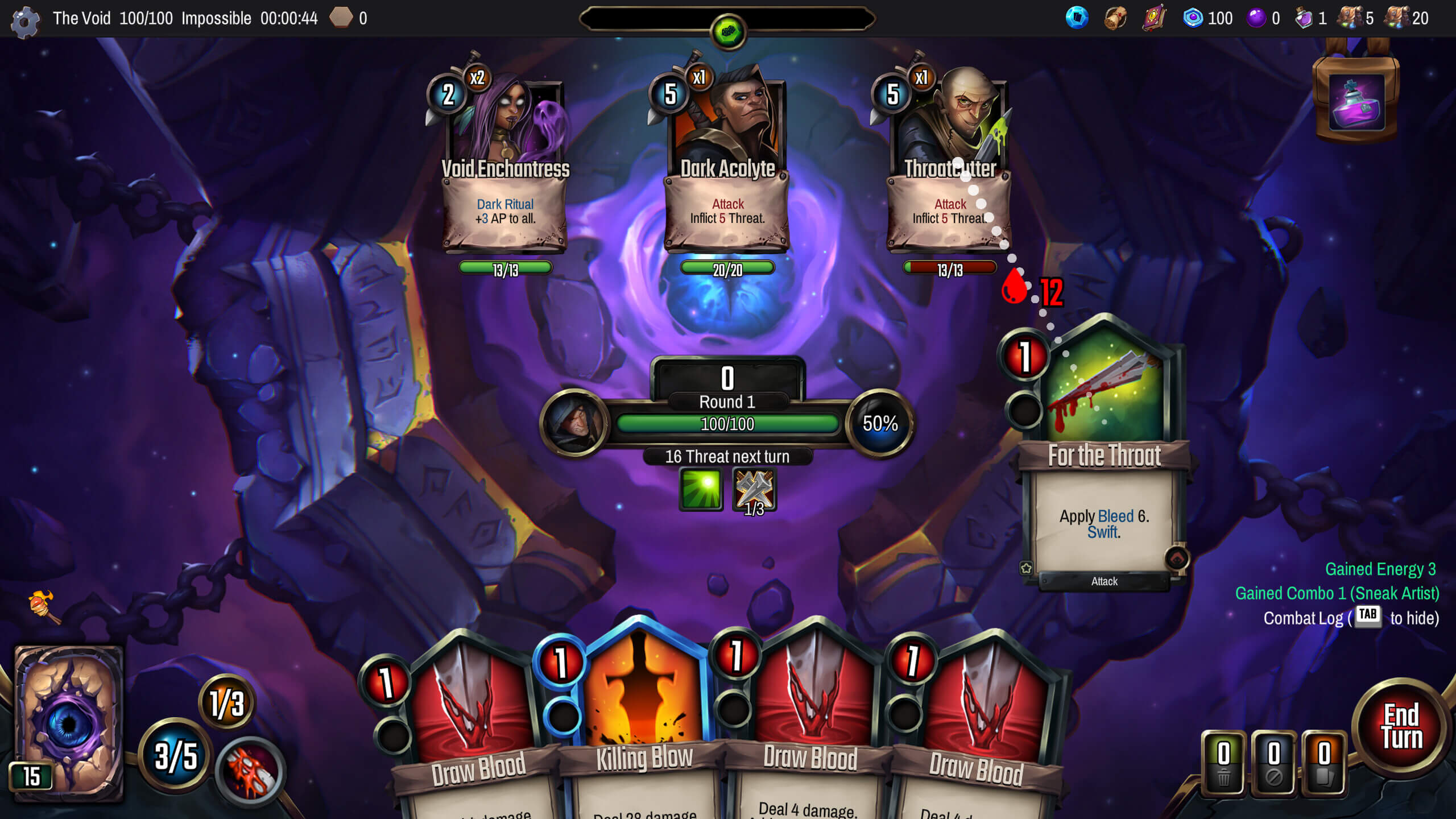
Vault of the Void also leans toward the “skill-first” side, but for a different reason. It gives you unusual control over your deck and setup, which makes each run feel less like gambling and more like solving a visible combat puzzle.
That makes it a strong example for players who want readable systems and high agency rather than pure chaos. The important caveat is that it feels less harshly improvisational than Slay the Spire. If your personal definition of roguelike includes surviving bad luck with minimal safety rails, Vault of the Void may feel too curated.
What a Roguelite-Leaning Deckbuilder Usually Feels Like
A roguelite-leaning deckbuilder gives failure a longer arc. Losing a run still teaches you things, but it may also unlock cards, mechanics, or options that make later runs broader or stronger. The run is one layer. Your account progression is another.
That structure often feels better for players who want steady forward motion, especially early on. It can also make a game more beginner-friendly, since not every failed run ends with “start from zero and be smarter.”
Breach Wanderers
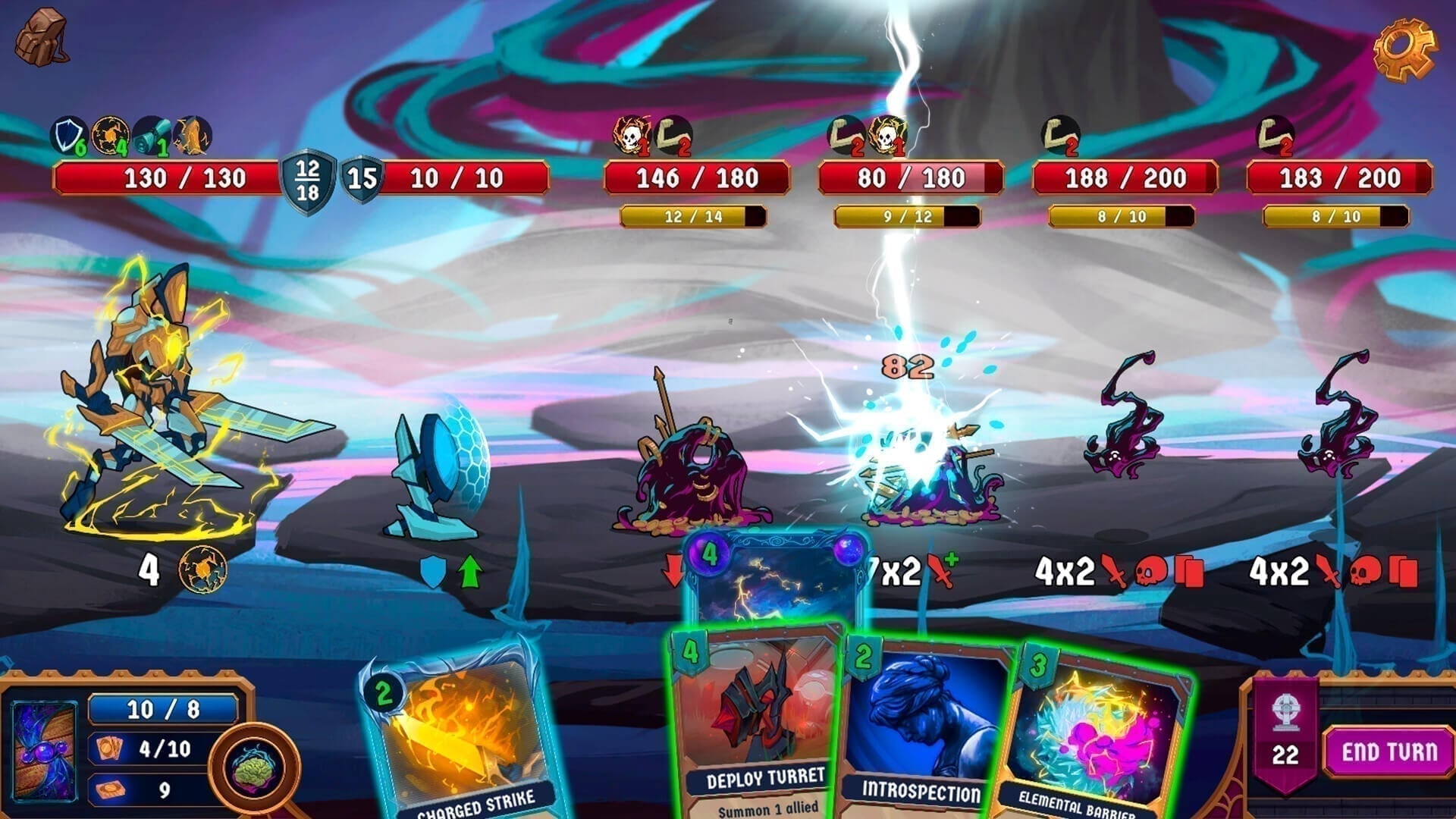
Breach Wanderers is a useful example because its meta layer matters a lot to the experience. You’re not just learning card interactions inside runs; you’re also expanding what you can bring into future runs and shaping the pool around your preferences.
That makes it easier to recommend to players who like deckbuilding expression but don’t want every setback to be a hard reset. The tradeoff is obvious: if you want every run judged on nearly equal footing, heavy meta progression can muddy that purity.
Roguebook
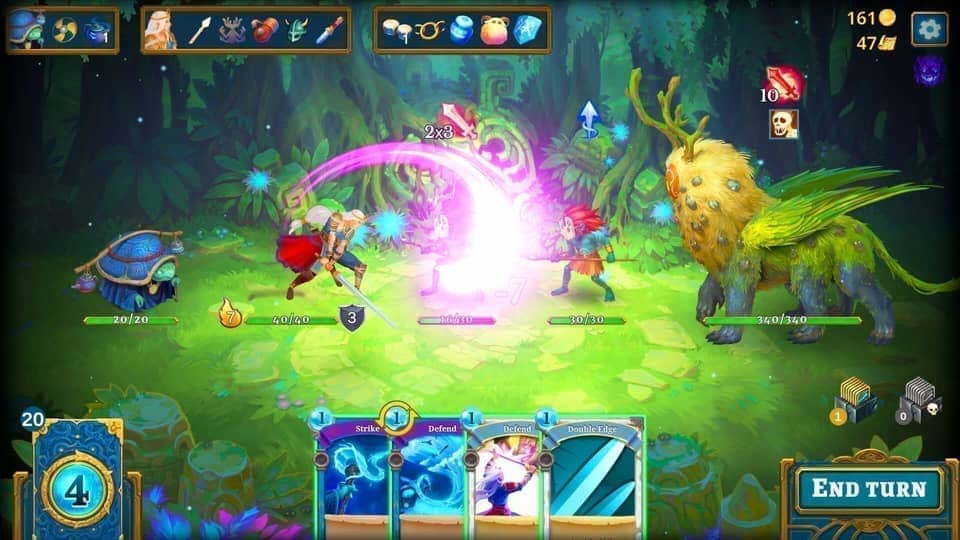
Roguebook sits in a similar camp for many players because its progression outside runs is part of how the game opens up. It still has plenty of tactical deckbuilding, but the overall feel is less about stark reset-driven mastery and more about gradually widening your tools.
That broader progression curve makes it more welcoming than harsher run-pure games. On the other hand, if you specifically want the satisfaction of beating the game with almost nothing but knowledge and execution, Roguebook may feel softer around the edges.
Why the Line Gets Blurry in Deckbuilders
Deckbuilders blur the roguelike and roguelite split more than some other roguelike subgenres because they already have a built-in progression arc inside each run. Your deck gets stronger, cleaner, and more focused as you go. That alone creates a sense of growth, even without permanent upgrades.
Then developers add unlocks. Sometimes those unlocks are small, like new card pools or classes. Sometimes they are central to the whole structure. Both games still have random encounters, run resets, and evolving builds, so players keep using both labels interchangeably.
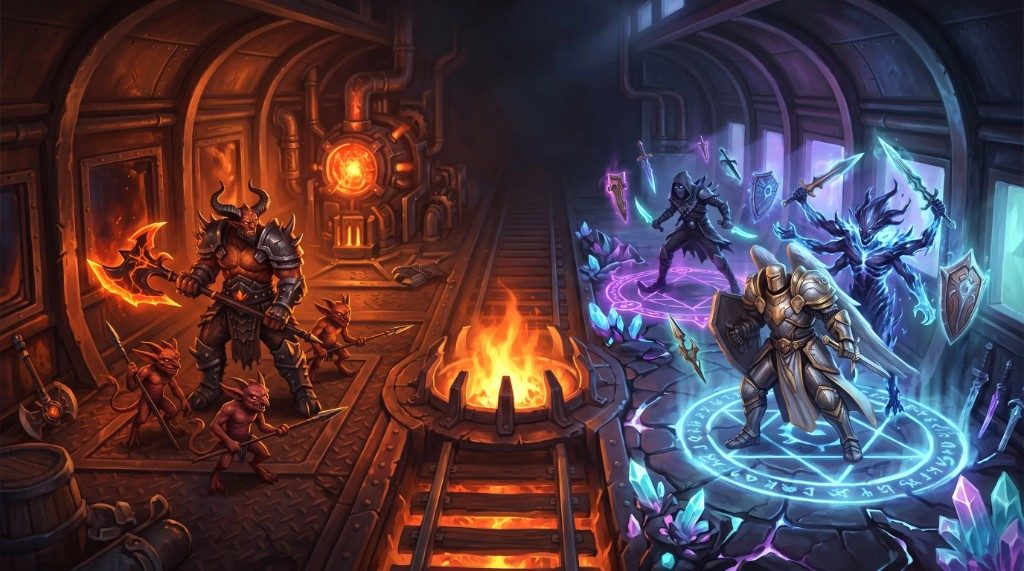
Monster Train
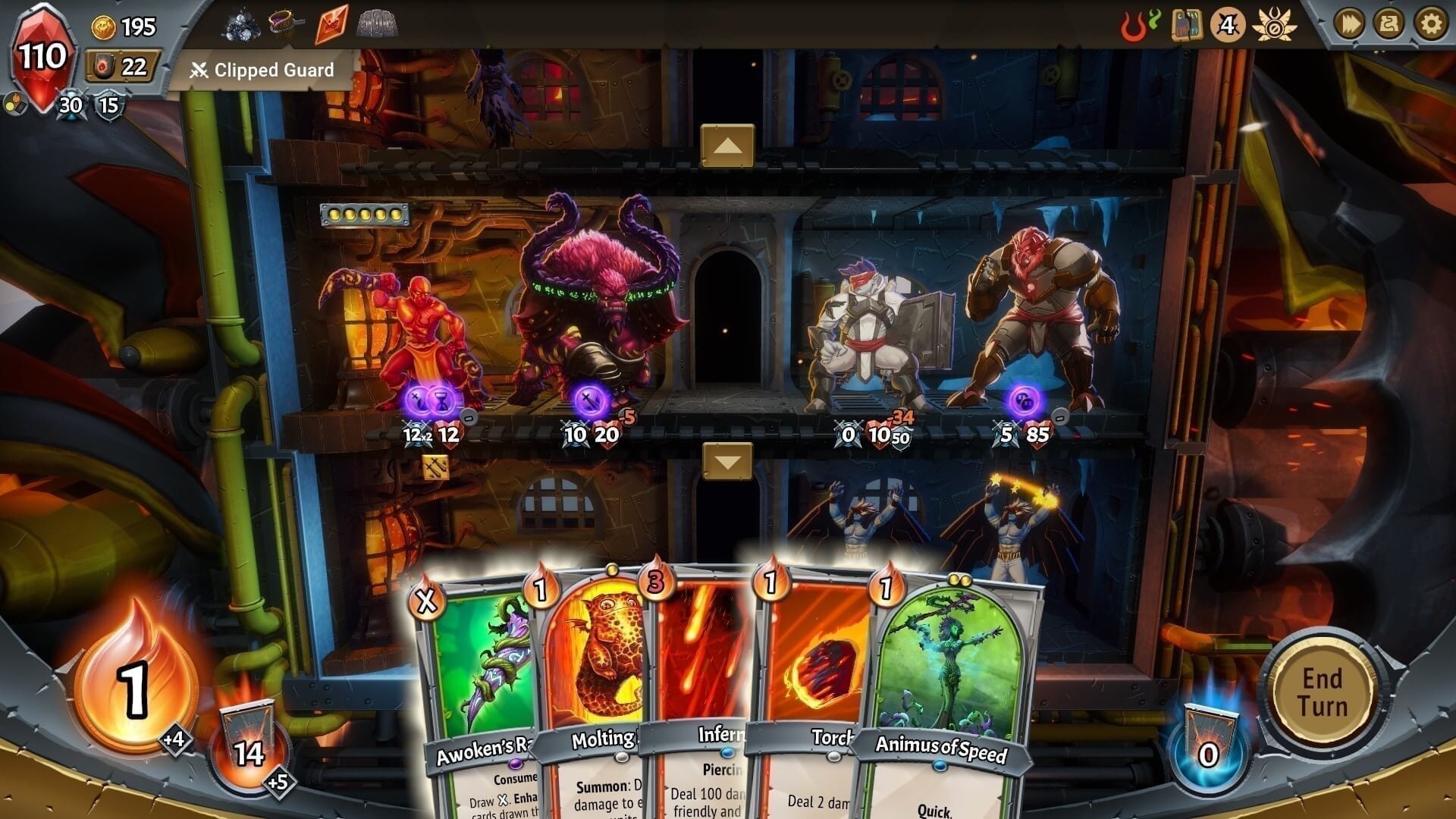
Monster Train is a good example of why arguments over labels often go nowhere. It absolutely delivers self-contained runs full of draft choices, route planning, and sharp combat sequencing. In that sense, it scratches a very roguelike-style itch.
But it also has unlock structure and faction expansion over time, which pushes many players to call it a roguelite. Neither read is unreasonable. The better question is what the game actually asks from you: mostly run-level tactical play, with some meta layers around the edges.
Balatro
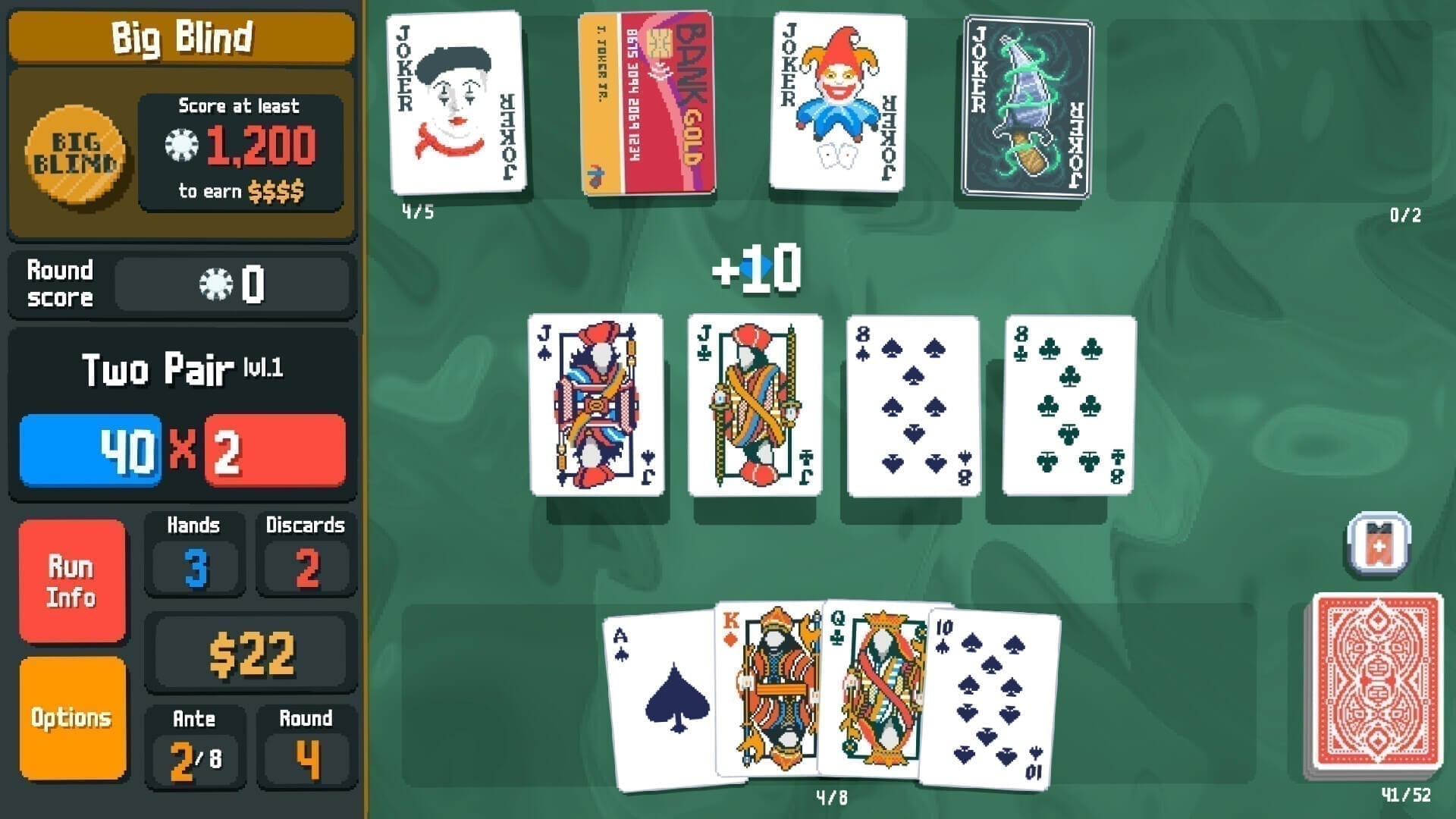
Balatro muddies the terms from another angle. Its runs are clean, repeatable, and heavily built around making the most of what appears in front of you. That feels very roguelike to a lot of players.
Still, it also has unlockable jokers and deck options that change what can appear later. So again, it resists a strict label. What matters more is the feel: you’re chasing strong run-specific synergies and adapting quickly, not relying on a giant permanent power ladder.
When the Distinction Actually Matters
Most of the time, these terms only matter when they help you avoid buying the wrong kind of game.
Choose a more roguelike-leaning deckbuilder if you want:
- Runs that feel fair from the start
- Improvement through knowledge more than unlocks
- Tight balance around immediate decisions
- Failure that sends you back with lessons, not account power
Choose a more roguelite-leaning deckbuilder if you want:
- A steadier sense of progress across failed runs
- More unlocks, classes, cards, or systems over time
- A softer onboarding curve
- Long-term build experimentation outside a single run
This is also where player tolerance for difficulty matters. Hard games can exist on both sides, but they feel different. A hard roguelike-style deckbuilder often says, “play better this run.” A hard roguelite-style one may say, “keep learning, keep unlocking, and your options will widen.”
So Which Style Is Better for You?
If you hate feeling like a game is holding back the real tools until later, you probably want the roguelike side. Games in that lane tend to respect immediate mastery. You lose, but the run was the point.
If you like seeing your whole time investment add up, the roguelite side usually lands better. It can make repetition feel less punishing, especially if you bounce off hard resets.
There is also a middle group of players who want both: meaningful resets with just enough meta progression to keep the game fresh. A lot of modern deckbuilders live right there, which is why this debate never fully settles.
FAQ
Is Slay the Spire a roguelike or a roguelite deckbuilder?
In practice, both labels get used. It leans roguelike because the run itself carries most of the weight, but it has unlock elements, so some players call it a roguelite. If you care about feel more than taxonomy, it plays much closer to the skill-first side.
Does meta progression automatically make a deckbuilder a roguelite?
Usually, yes in everyday use, but the amount matters. Small unlocks around mostly self-contained runs create a gray area. Heavy permanent progression pushes a game much more clearly into roguelite territory.
Are roguelike deckbuilders harder than roguelite ones?
Not always, but they often feel harsher. When a game gives you less permanent help between runs, mistakes inside the run matter more. Roguelite progression can soften that by giving you more tools over time.
Why do players argue about these terms so much?
Because modern deckbuilders mix structures. They borrow run resets from roguelikes and persistent unlocks from roguelites. Once a game does both, the label depends on which part a player thinks matters more.
Which style is better for beginners?
Roguelite-leaning deckbuilders are often easier to stick with because failed runs still push your profile forward. But a readable roguelike-style game can also be beginner-friendly if its systems are clear and the run logic is easy to learn.
Takeaway
For deckbuilders, “roguelike” usually points to self-contained, skill-first runs, while “roguelite” usually points to runs backed by persistent progress. The line stays blurry because many of the best games use both. For choosing what to play, that’s the only part that really matters.